
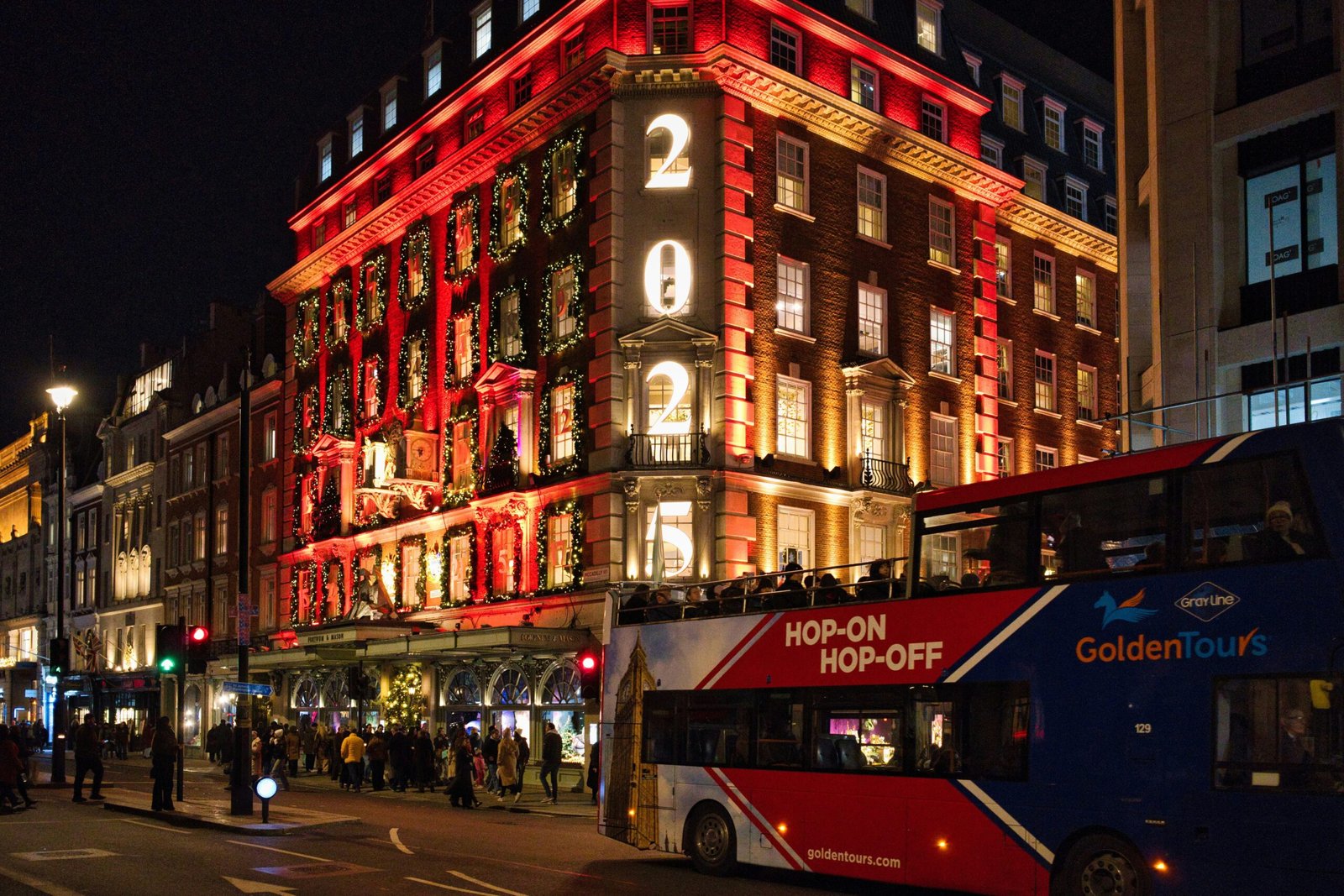
The end of year season represents Indonesia’s most lucrative retail period. With the Indonesia Great Sale 2025 generating an anticipated 30 trillion IDR in revenue [57] and consumer spending surging during Christmas and New Year celebrations, your window display becomes more than decoration—it’s your most powerful sales tool.
Yet many small retail business owners miss this golden opportunity. In an era where window displays influence purchase decisions up to 24% of the time [41], and 79% of consumers enjoy seeing holiday-themed displays [41], creating a compelling end-of-year window isn’t optional—it’s essential for capturing your share of Indonesia’s festive shopping boom.
Understanding the Power of End-of-Year Window Displays
Window displays serve as your store’s first impression and silent salesperson, working 24/7 to attract customers even when your staff isn’t actively engaged [42]. During the high-stakes end-of-year season, this role becomes even more critical as competition for consumer attention intensifies across Indonesian retail districts. Research shows that a striking display can turn unfamiliar pedestrians into curious shoppers [42], directly impacting your foot traffic and ultimately your revenue during the most important sales period of the year.
The Indonesian market presents unique opportunities during this season. With over 60% of Indonesians purchasing food, beverages, and apparel as gifts [60], and consumers willing to pay 58% extra for “special moments” [60], retailers who understand these spending patterns can design window displays that resonate deeply with local shopping behaviors. The psychology of year-end holidays in Indonesia centers on healing, duty, and connection [60]—themes your window displays should embody to maximize emotional appeal and drive purchase decisions.
Current Window Display Trends Shaping 2024-2025
The global retail landscape has witnessed remarkable evolution in window display strategies, and Indonesian retailers can adapt these international trends to local contexts. Understanding what’s working globally helps small business owners create displays that feel both contemporary and culturally relevant.
Storytelling and Narrative-Driven Displays—Crafting a compelling narrative within your window display has become a powerful way to capture customer attention [31]. Whether based on a seasonal theme, customer persona, or cultural moment, storytelling creates emotional connections that generic product arrangements cannot achieve. Tiffany & Co.’s award-winning “Season of Light and Love” windows demonstrated this perfectly, transforming simple jewelry displays into winter wonderlands that evoked Surrealist influences while celebrating the joy of gifting [38]. For Indonesian retailers, this might mean creating narratives around family gatherings, homecoming traditions during mudik season, or the warmth of year-end reunions.
Minimalism and Elegant Simplicity—Contrary to the belief that more is always better, minimalistic window displays effectively communicate messages without confusion or distraction [31]. Harrods’ grey-hued displays featuring luxury Christmas gifts demonstrated how white space, symmetry, and balance create elegant presentations that highlight products without overshadowing them [31]. This approach works particularly well for Indonesian retailers selling premium products or targeting sophisticated urban shoppers who appreciate restraint and quality over visual clutter.
Technology Integration and Digital Elements—The 2024 holiday season saw retailers incorporating technology-driven approaches through interactive touchscreens, motion sensors, and digital signage [32]. Rebecca Minkoff’s flagship store in New York introduced interactive touchscreen displays that allowed customers to browse collections and access exclusive content, with over 300 people interacting daily [41]. While full digital integration may seem expensive, even small Indonesian retailers can incorporate simple digital elements like QR codes linking to product information, Instagram handles encouraging social sharing, or tablets displaying product videos. Remember that 60% of retail stores adopted digital signage in 2023, with a 22% increase in store visits where it was used [47].
Sustainability and Eco-Consciousness—Sustainability has emerged as a central theme in retail displays [35]. Galeries Lafayette’s 130th-anniversary Christmas windows, designed by Kevin Germanier, infused every element with sustainable materials while maintaining signature elegance [35]. Indonesian consumers are increasingly eco-conscious, with 64% preferring at-home experiences and sustainable choices [60]. Displays featuring recycled materials, natural elements, or messaging about environmental responsibility can resonate strongly with this growing consumer segment while differentiating your store from competitors.
Nature and Classic Themes—Many 2024 holiday windows returned to Mother Nature for inspiration, celebrating outdoor activities and natural elements [33]. Nordstrom used greenery and plant motifs to create homages to wintertime flora, while R.M.Williams emphasized eco-consciousness with simple yet striking displays [33]. In Indonesia’s tropical context, this could translate to incorporating local botanical elements, traditional natural materials like bamboo or rattan, or seasonal flowers that speak to Indonesian aesthetics rather than importing winter themes that feel disconnected from local reality.
Interactive and Immersive Experiences—Research shows that in-person events account for 70% of regular customer acquisition [34], making experiential window displays increasingly valuable. The 2024 holiday season saw retailers drawing onlookers into brand universes with installations, exhibitions, and multi-sensory experiences [34]. Even on limited budgets, Indonesian small retailers can create interaction opportunities—perhaps a photo-worthy corner, a small participatory element, or displays that change based on viewer movement, encouraging passersby to stop and engage rather than simply walk past.
Adapting Global Trends to Indonesian Cultural Context
While international inspiration provides valuable ideas, Indonesian retailers must adapt these concepts to local cultural celebrations, consumer preferences, and shopping behaviors during the end-of-year period.
Understanding Indonesian Year-End Celebrations—Indonesia’s end-of-year season encompasses multiple cultural moments. For Christian Indonesians, Christmas represents significant celebration with decorating, festive meals, and gift exchanges [60]. New Year brings universal appeal across all communities, with Jakarta hosting grand celebrations and shopping festivals [54]. The Indonesia Great Sale 2025, running December 18 to January 4, creates a nationwide shopping extravaganza across 400+ shopping centers [57]. Your window displays should acknowledge this cultural diversity while focusing on universal themes of celebration, family, and fresh beginnings.
Incorporating Local Visual Language—Indonesian consumers respond to familiar visual cues that reflect their cultural identity. This might include traditional color palettes (red and gold for prosperity, bright festive colors popular in Indonesian celebrations), local decorative motifs (batik patterns, traditional ornaments), or imagery that depicts Indonesian family celebrations rather than Western-centric holiday scenes. Displays featuring Indonesian people, local traditions, or regionally specific elements create stronger emotional connections than generic international holiday themes.
Addressing Indonesian Shopping Patterns—Research shows Indonesian consumers are adapting their year-end spending, becoming more selective while maintaining celebration traditions [60]. With 38% switching to cheaper products and 36% buying more discounted items [60], window displays should clearly communicate value propositions, highlight promotional offers, and showcase gift options across different price points. Displays might feature “hampers” (gift baskets popular in Indonesia), tiered pricing displays showing options for different budgets, or clear signage about special promotions and discounts available during the sale period.
Leveraging Mobile-First Behaviors—Indonesia’s retail landscape shows 87.2% of online retail orders occur on mobile screens [59], and digital wallets facilitate 40% of online payments [58]. Your window displays should complement this digital behavior by incorporating Instagram-worthy elements encouraging social media sharing, QR codes enabling immediate mobile interaction, or promotional codes displayed prominently that can be photographed and redeemed later. Creating “Instagrammable” moments in your window turns every passerby’s photo into free marketing reaching their extended networks.
Balancing Tradition and Modernity—Indonesian consumers, especially younger generations who comprise 52% of retail store visits [47], expect displays that honor traditional values while embracing contemporary aesthetics. This might mean pairing traditional Indonesian elements (wayang characters, traditional textiles, cultural symbols) with modern presentation techniques (clean lines, strategic lighting, minimalist composition). The goal is creating windows that feel authentically Indonesian while demonstrating your store is current, relevant, and worth visiting.
Practical Window Display Strategies for Small Indonesian Retailers
Creating effective end-of-year window displays doesn’t require massive budgets or professional designers. Strategic planning and creative execution can deliver impressive results even with limited resources.
Start with Clear Objectives and Messaging—Before designing anything, define what you want your window to achieve [45]. Are you driving foot traffic, promoting specific products, announcing sales, or building brand identity? Your window’s primary message should be immediately clear from several meters away—passersby spend only seconds glancing at windows, so clarity trumps complexity. For Indonesian retailers during year-end season, common objectives include announcing sale participation, showcasing gift options, promoting festive collections, or differentiating from nearby competitors.
Create Focal Points and Visual Hierarchy—Effective displays guide the viewer’s eye through deliberate composition. Place your most important element—whether a product, message, or visual centerpiece—at eye level in the center of the display [42]. This focal point should be the first thing customers notice, with supporting elements arranged to complement rather than compete. Think in thirds: divide your window into three vertical or horizontal sections, placing key elements at intersection points to create balanced, professional-looking compositions without formal design training.
Leverage Color Psychology for Indonesian Markets—Color choices profoundly influence emotional response and purchasing decisions. Using complementary colors in displays can increase sales by 35% [15]. For Indonesian end-of-year displays, consider color combinations that resonate culturally while standing out visually. Red and gold convey prosperity and celebration, making them powerful for New Year themes. Green and silver create fresh, optimistic feelings appropriate for new beginnings. Rich purples and deep blues suggest premium quality for upscale positioning. Whatever palette you choose, limit yourself to three primary colors maximum—more creates visual confusion that weakens impact.
Optimize Lighting for Maximum Impact—Proper lighting transforms ordinary displays into captivating visual experiences. Well-lit displays make products appear 20% more valuable in consumers’ eyes [11], justifying premium pricing and enhancing perceived quality. For small retailers, affordable LED spotlights can create dramatic effects by highlighting focal products while leaving backgrounds slightly darker for contrast. Warm lighting creates inviting, comfortable feelings appropriate for gift shopping, while cooler lighting suggests modernity and efficiency. If budget allows, consider adding movement through twinkling lights or slowly changing colors—motion naturally attracts human attention and makes displays more memorable.
Incorporate Seasonal and Cultural Elements—End-of-year displays should obviously reflect the season, but generic “winter wonderland” themes often fail in tropical Indonesia. Instead, adapt seasonal concepts to local reality. Rather than snow and ice, consider tropical festivity—bright flowers, lush greenery, vibrant colors celebrating Indonesian nature. Incorporate recognizable symbols of Indonesian year-end celebrations: gift hampers wrapped in traditional fabrics, decorative lanterns common in Indonesian celebrations, traditional ornaments, or imagery of family gatherings that resonate locally. The goal is creating displays that feel celebratory and seasonal while remaining culturally authentic.
Design for Different Viewing Distances—Your window must work at multiple distances. From across the street, passersby should recognize it’s something special worth investigating. At medium distance (5-10 meters), your main message and key products should become clear. Close up, fine details, pricing, and specific product features matter. This means using large-scale elements visible from far away (oversized props, bold signage, dramatic focal pieces) combined with detailed product presentation for customers who approach the window. Test your display by viewing it from various distances and angles to ensure it works from every perspective.
Refresh Displays Strategically Throughout the Season—Stale displays lose effectiveness quickly. A survey found 43% of consumers are more likely to visit stores with festive window displays [41], but only when those displays remain fresh and current. For the Indonesian end-of-year season, plan at least two major display changes: one launching the season (mid-December, aligning with Indonesia Great Sale start), and one transitioning from Christmas to New Year themes (around December 26-27). Within these periods, small updates—adding new products, adjusting prices for progressive promotions, or rotating featured items—keep displays feeling dynamic without requiring complete redesigns.
Make Products Accessible and Understandable—While artistic displays attract attention, they must ultimately sell products. Ensure featured items have clear pricing (essential given Indonesian consumers’ value-consciousness [60]), visible product names or descriptions, and logical grouping that helps customers understand product relationships. For gift-focused displays, show complete gift solutions rather than individual items—pairing items together, displaying them in gift-ready presentation, or showing usage scenarios helps customers envision purchases and reduces decision friction.
Budget-Friendly Display Techniques for Indonesian Small Business Owners
Resource constraints shouldn’t prevent impressive window displays. Creative problem-solving and strategic resource allocation can produce professional results without professional budgets.
Repurpose and Upcycle Existing Materials—Before purchasing anything, inventory what you already have. Cardboard boxes can become risers, platforms, or structural elements when covered with fabric, wrapping paper, or paint. Existing packaging materials might provide decorative elements. Shipping pallets become rustic display platforms popular in contemporary retail aesthetics. Old crates, baskets, or containers gain new life as product holders or decorative accents. This approach aligns perfectly with sustainability trends while eliminating material costs.
Source Affordable Props from Local Markets—Indonesian pasar tradisional (traditional markets) offer incredibly affordable display materials. Fabric merchants sell remnants perfect for backdrop draping at fraction of retail prices. Craft sections provide decorative items, artificial flowers, and ornaments for minimal investment. Hardware sections stock materials for building simple structures or mounting systems. Building relationships with market vendors might yield even better deals, especially if you explain you’re a small business owner needing seasonal materials—Indonesian merchants often support fellow entrepreneurs with favorable pricing.
Leverage Digital Printing and Paper-Based Solutions—Modern digital printing makes custom graphics surprisingly affordable. Large-format vinyl banners cost less than you might expect when ordered from Indonesian printing services like those in Glodok (Jakarta) or similar printing districts in major cities. High-quality paper printing creates window clings, product cards, price signage, or decorative elements for modest budgets. Online design tools like Canva provide templates specifically for retail signage, allowing non-designers to create professional-looking graphics. QR codes linking to your Instagram, promotional details, or product information cost nothing but add modern, interactive elements.
Use Product as Display Element—Your inventory itself can become your display design. Rather than buying separate decorative items, arrange products creatively to build visual interest. Stack boxes in pyramid formations, create color gradients from your merchandise, use packaging as architectural elements, or arrange products in unexpected patterns that draw attention. This approach eliminates prop costs while showcasing more inventory, potentially driving more sales.
Collaborate with Complementary Businesses—Consider partnerships with nearby non-competing businesses to share display costs. A fashion retailer might partner with an accessories shop, each providing products for a combined window while splitting decoration costs. Local artists or craft makers might provide decorative pieces in exchange for window exposure and credit. Schools or community groups might create seasonal artwork for display, getting community visibility while you get free artistic elements. These partnerships build community relationships while reducing individual business burden.
Focus Investment on Lighting and Flexible Frameworks—If budget allows only limited purchases, prioritize good lighting and reusable display structures. Quality LED spotlights purchased once serve multiple seasons with different decorative elements. Adjustable shelving, modular display cubes, or simple mounting systems provide frameworks you’ll use repeatedly with different seasonal themes. These infrastructure investments pay dividends across many display iterations while the decorative elements around them can remain affordable and disposable.
Measuring Window Display Effectiveness
Creating displays is only half the battle—understanding what works ensures continuous improvement and justifies resource allocation.
Track Foot Traffic Changes—The most direct measure of window display impact is foot traffic changes [45]. Even without sophisticated counters, simple manual tallies at regular intervals before and after display implementation reveal effectiveness. Compare traffic during similar periods (same day of week, similar weather, comparable promotional activity) to isolate the display’s impact. For small retailers, noting whether more people stop to look at windows, how long they pause, and what percentage actually enter provides valuable qualitative data complementing raw numbers. Research shows window displays can boost foot traffic by 23% [11], making traffic measurement essential for understanding your return on investment.
Monitor Sales Performance and Conversion Rates—Beyond traffic, track sales of products featured prominently in displays versus those not highlighted [45]. If your window showcases specific gift sets, holiday collections, or promotional items, compare their sales performance against baseline periods or against similar products not featured. Calculate conversion rates—what percentage of people who enter actually make purchases—before and after display changes. In high-traffic areas, declining conversion despite steady traffic might indicate your display attracts browsers but doesn’t communicate compelling value propositions.
Gather Customer Feedback Directly—Simple conversations with customers provide rich insights automated systems miss [45]. Train staff to ask entering customers what caught their attention, whether they noticed window displays, what made them decide to enter. Exit surveys (even informal verbal questions) about shopping experience can include window display feedback. Social media monitoring reveals whether customers photograph and share your windows, and what they say about them. Customer comments offer qualitative data explaining the “why” behind quantitative metrics, helping refine future displays.
Analyze Patterns Across Multiple Display Iterations—Single-display analysis provides limited insight, but patterns across multiple iterations reveal what consistently works [45]. Track which display types, color schemes, lighting approaches, or product presentation styles correlate with better performance. Perhaps minimalist displays drive more premium purchases while busy displays increase impulse buying. Maybe certain color combinations outperform others with your specific customer demographic. Building this institutional knowledge transforms display design from guesswork into data-informed strategy.
Compare Against Competitors and Benchmarks—Visit neighboring retailers and major competitors to observe their window strategies. Note which approaches seem most effective (crowds gathering, people entering, displays being photographed). Research industry benchmarks for your retail category—for example, knowing that window displays influence 24% of purchase decisions [41] provides context for your own metrics. While every business differs, understanding broader industry standards helps assess whether your performance is competitive or requires improvement.
Use Data to Optimize and Iterate—The measurement value lies in application. If data shows certain products displayed prominently sell significantly better, continue that approach. If foot traffic peaks with certain display styles, replicate them. If customers consistently photograph specific elements, build on what makes those elements shareable. Measurement without action wastes effort—the goal is creating feedback loops where data informs improvements, creating progressively more effective displays over time.
Common Window Display Mistakes and How to Avoid Them
Even well-intentioned display efforts can backfire when retailers fall into predictable traps. Understanding common mistakes helps Indonesian small business owners avoid wasted resources.
Overcrowding and Visual Clutter—Perhaps the most frequent error is trying to showcase everything, creating overwhelming displays that confuse rather than attract. When customers can’t quickly identify what you’re selling or what makes it special, they move on [19]. The solution is editing ruthlessly—feature fewer items displayed more prominently rather than cramming maximum inventory into limited space. Remember that negative space (empty areas) is design tool, not wasted space. Clean, focused displays guide customers’ eyes to what matters while cluttered arrangements create decision paralysis.
Ignoring Maintenance and Upkeep—Brilliant displays that aren’t maintained lose effectiveness rapidly. Dust accumulation, faded materials from sun exposure, burned-out lights, or sold-out products remaining in displays signal neglect [17]. Indonesian tropical climate accelerates deterioration—humidity affects paper materials, intense sun fades colors quickly, and daily weather changes require frequent adjustment. Establish daily maintenance routines: dusting, checking that all lights function, restocking featured products, adjusting elements displaced by wind or vibration. Consistent upkeep maintains professional appearance that builds customer trust.
Using Inappropriate or Culturally Insensitive Themes—What works in New York or London might miss or even offend Indonesian audiences. Generic Western Christmas imagery (snow scenes, reindeer, fireplaces) feels disconnected from tropical Indonesian reality. Worse, religious imagery might alienate portions of your diverse customer base unless your store specifically serves that community. The solution is understanding your local market demographics and creating displays that resonate culturally. When uncertain, focus on universal year-end themes—new beginnings, family celebration, gift-giving, gratitude—that transcend specific religious or cultural boundaries.
Poor Lighting Creating Wrong Atmosphere—Inadequate lighting makes even impressive displays invisible after dark, while harsh lighting creates uninviting atmospheres that repel rather than attract. In Indonesian cities where shopping often extends into evening hours, proper lighting is non-negotiable. Avoid bare bulbs creating harsh shadows, uneven lighting leaving dark spots, or lighting that distorts product colors (making clothing appear different than it actually is). Invest in adjustable LED spotlights allowing precise control over intensity and direction, and test lighting at different times of day to ensure consistent impact.
Failing to Connect Window Display with In-Store Experience—When customers enter based on window promises but find completely different atmospheres, products, or pricing inside, disappointment and distrust result [50]. Your window isn’t separate from your store—it’s the opening chapter of a continuous story. Ensure products featured prominently in windows are readily findable inside, that pricing displayed outside matches interior reality, and that any promotional messaging in windows is honored throughout the store. This consistency builds trust and prevents the frustration of customers feeling misled.
Neglecting Practical Considerations—Beautiful displays that block customer sightlines into the store, make product pricing impossible to read, or create security concerns fail at fundamental levels. Ensure windows allow passersby to see into your store (humans are naturally curious about spaces they can observe), that critical information remains visible from normal viewing angles, and that high-value items are secured against theft. Practical failures undermine even the most aesthetically successful designs.
Seasonal Timing and Planning for Indonesian End-of-Year Retail
Strategic timing maximizes the impact of your end-of-year window displays while minimizing stress and rushed execution.
Early Planning Prevents Last-Minute Chaos—Start planning end-of-year displays in October or early November at the latest. This timeline allows sourcing materials, designing concepts, and building displays without emergency rush charges or settling for suboptimal solutions because time ran out. Create a written plan outlining display concepts, required materials, budget allocation, and implementation timeline. Early planning also enables catching Indonesia Great Sale promotional opportunities, coordinating with suppliers for seasonal inventory, and training staff on display maintenance procedures.
Align with Key Indonesian Shopping Periods—Indonesian end-of-year shopping intensifies across specific periods. The Indonesia Great Sale launches December 18 [57], creating the official start of peak shopping season. Christmas shopping peaks in the week before December 25, particularly among Christian Indonesian communities. Post-Christmas sales draw bargain hunters December 26-31. New Year shopping remains strong through early January as consumers spend year-end bonuses and gift money [55]. Your display strategy should acknowledge these phases—perhaps different themes or featured products aligning with what customers seek during each period.
Plan Multiple Display Updates—Rather than one static display through the entire season, plan strategic updates maintaining freshness. Consider this sequence: Launch display (mid-December) establishing your seasonal presence and sale participation, Christmas focus (December 20-25) highlighting gift options and holiday merchandise, Transition display (December 26-30) shifting to New Year themes, clearance messaging, and fresh starts, New Year emphasis (January 1-7) showcasing new inventory, resolution-related products, or start-of-year promotions. Each update needn’t be complete redesign—strategic element changes, new signage, or featured product rotation can create newness while preserving structural elements.
Coordinate with Broader Marketing and Operations—Window displays shouldn’t exist in isolation from your overall business operations. Ensure inventory for featured products is sufficient to meet demand your displays generate—nothing frustrates customers more than seeing items in windows that are sold out inside. Coordinate display themes with social media marketing, so your digital and physical presence reinforce rather than contradict. Train staff on products featured prominently so they can knowledgeably assist customers those displays attract. Integrated planning creates synergy where each marketing element amplifies others.
Build in Flexibility for Responsive Adjustments—Even with careful planning, circumstances change. Unexpected weather, competitor actions, supply chain issues, or viral trends might require display adjustments. Build flexible elements into your design allowing quick modifications—modular components that can be rearranged, signage that’s easily swapped, or product presentations that accommodate substitutions when specific items sell out. This flexibility enables capitalizing on unexpected opportunities or quickly addressing problems without completely rebuilding displays.
Partner with MD Asia for Professional Window Display Excellence
Creating compelling end-of-year window displays requires expertise, creativity, and consistent execution—resources that many small retail businesses struggle to maintain alongside daily operations, inventory management, and customer service demands. This is where professional support delivers transformative value.
MD Asia understands the unique challenges facing Indonesian retail businesses during the crucial end-of-year season. As an integrated marketing company delivering end-to-end solutions across digital, creative, and offline advertising production, we help retailers transform their storefront windows into powerful sales drivers that capture the festive shopping boom and deliver measurable results. Our team combines deep understanding of Indonesian consumer behavior with international best practices in visual merchandising to create displays that resonate with local markets while incorporating contemporary design excellence.
Whether you need comprehensive window display strategy development, hands-on implementation and installation services, training for your staff to maintain merchandising standards, or ongoing consultation optimizing displays throughout the season, MD Asia provides the expertise and support to elevate your retail presence. We work with businesses of all sizes, understanding that small retailers need cost-effective solutions delivering outsized impact without requiring massive investment. Our end-to-end approach means you get complete support from initial concept through execution and performance measurement.
Ready to make this end-of-year season your most successful yet? Contact MD Asia today to discover how professional window display services can drive foot traffic, increase sales, and position your business for long-term growth. Let us help you create the compelling storefront presence your customers deserve and your business needs to thrive during Indonesia’s most important retail period.
Conclusion: Your Window to Year-End Success
In Indonesia’s competitive retail landscape, where end-of-year shopping represents the annual revenue peak, effective window displays are no longer optional enhancements—they’re essential success factors. With window displays influencing 24% of purchase decisions [41] and boosting foot traffic by 23% [11], the potential return on investment far exceeds the modest resources required for implementation, especially when approached strategically rather than haphazardly.
The Indonesian market offers particular opportunities during this season. With the Indonesia Great Sale 2025 generating anticipated 30 trillion IDR across 400+ shopping centers [57], consumer spending focused on gifts, celebration, and new beginnings [60], and shopping behaviors blending traditional values with modern digital engagement [58], retailers who understand these dynamics can create window displays that resonate powerfully with local audiences while standing out from competitors.
Success doesn’t require massive budgets or professional design credentials—it requires understanding your customers, respecting cultural context, applying proven display principles, and consistently executing with attention to detail. Whether you choose to develop displays internally using the strategies outlined in this article or partner with professional services like MD Asia for expert implementation, the key is taking action rather than allowing this critical opportunity to pass unexploited.
Start planning your end-of-year window displays today. Your future customers are already anticipating the festive season, beginning their shopping research, and deciding which stores deserve their attention and money. Make sure your window tells them that your store is exactly where they should be spending both.
👉 Contact us today and start creating a store display that truly stands out.
References
[31] Imageco. (2023, December 14). Window Display Trends in 2024. Retrieved from https://imagecoltd.com/news/window-display-trends-in-2024/
[32] IWD. (n.d.). Top 5 Visual Merchandising Trends Defining The 2024 Holiday Season. Retrieved from https://magazine.iwd.io/trends-2024-holiday-season
[33] VMSD. (2025, February 10). 2024 Holiday Windows Recap: Respect the Classics. Retrieved from https://vmsd.com/2024-holiday-windows-recap-respect-the-classics/
[34] Medium. (2024, July 12). Visual Merchandising Trends Defining The 2024 Holiday Season. Retrieved from https://medium.com/@yeniahf/top-5-visual-merchandising-trends-defining-the-2024-holiday-season-4cc3edcb3956
[35] Kendu. (2024, December 5). Best Christmas Window Displays of 2024. Retrieved from https://www.kendu.com/retail-news-trends/best-christmas-window-displays-of-2024/
[36] Precision Door & Window. (2024, September 19). Window Design Trends Of 2024: What Was Hot This Year? Retrieved from https://precisiondnw.com/blogs/window-design/
[37] TDF Visual Storytelling. (2025, February 7). VM Inspirations 2024 Holiday Window Display. Retrieved from https://tdf-asia.com/window_displays/vm-inspirations-celebrating-2024-holiday-windows/
[38] GCC Media. (2024, December 11). The Best 2024 Christmas Window Displays Around the World. Retrieved from https://gccmedia.co/culture/best-christmas-window-displays-around-the-world/
[39] HelloProject. (2025, October 20). 4 Window Trends for 2024: Embrace the Latest in Home Design. Retrieved from https://www.helloprojectusa.com/windows/4-window-trends-for-2024/
[40] Norman USA. (2024, December 17). 8 Window Treatment Trends & Ideas for 2024. Retrieved from https://normanusa.com/8-window-treatment-trends-ideas-for-2024/
[41] Comosense. (2023, May 10). 4 Proven Strategies to Create Compelling Retail Window Displays, Drive Foot Traffic and Boost Sales. Retrieved from https://www.comosense.com/4-proven-strategies-to-create-compelling-retail-window-displays-drive-foot-traffic-and-boost-sales/
[42] Shopify. (n.d.). Window Displays: A Guide to Designing and Measuring Success (2026). Retrieved from https://www.shopify.com/blog/window-displays
[43] Samsung Business Insights. (2022, December 22). How digital signage drives retail traffic and sales. Retrieved from https://insights.samsung.com/2022/12/21/how-digital-signage-drives-retail-traffic-and-sales/
[44] Shopify. (n.d.). Foot Traffic: How To Measure and Increase Store Visits. Retrieved from https://www.shopify.com/retail/foot-traffic
[45] LinkedIn. (2023, April 12). How do you measure the impact of your window display on sales and traffic? Retrieved from https://www.linkedin.com/advice/3/how-do-you-measure-impact-your-window-display-sales
[46] Shopify. (n.d.). Retail Foot Traffic Data: Use Cases & How to Collect (2025). Retrieved from https://www.shopify.com/retail/retail-foot-traffic-data
[47] Gitnux. (n.d.). Retail Foot Traffic Statistics Statistics: Market Data Report 2025. Retrieved from https://gitnux.org/retail-foot-traffic-statistics/
[48] Vertex. (2024, September 17). How Foot Traffic Analysis Makes Every Step Count In Retail. Retrieved from https://vertexcs.com/how-foot-traffic-analysis-makes-every-step-count-in-retail/
[49] Mapsted. (n.d.). Retail Location Intelligence: 2025 Consumer Foot Traffic Statistics. Retrieved from https://mapsted.com/blog/how-retail-location-intelligence-boost-store-performance
[50] Ipsos. (2025, August 26). Creating retail window displays to improve store performance. Retrieved from https://www.ipsos.com/en/creating-retail-window-displays-improve-store-performance
[51] YouGov. (2024, February 15). Indonesia’s 2024 Ramadan shopping outlook: Key purchase categories and retail channels. Retrieved from https://business.yougov.com/content/48671-indonesia-ramadan-shopping-outlook-key-purchase-categories-retail-channels-2024
[52] NielsenIQ. (2025, June 12). NielsenIQ Indonesia Mid-Year Consumer Outlook Guide to 2025. Retrieved from https://nielseniq.com/global/en/insights/report/2024/nielseniq-indonesia-mid-year-consumer-outlook-guide-to-2025/
[53] Cimigo. (2025, February 28). Indonesia Consumer Trends 2024. Retrieved from https://www.cimigo.com/en/trends/indonesia-consumer-trends-2024/
[54] Travel And Tour World. (2024, December 28). How to Experience Indonesia’s Grand New Year Celebrations in Jakarta. Retrieved from https://www.travelandtourworld.com/news/article/how-to-experience-indonesias-grand-new-year-celebrations-in-jakarta/
[55] Janio. (n.d.). When do Indonesia’s Hottest eCommerce Sales Take Place? Retrieved from https://janio.asia/articles/major-e-commerce-shopping-events-in-indonesia/
[56] NielsenIQ. (2025, July 11). Retail Spend Barometer Indonesia. Retrieved from https://nielseniq.com/global/en/landing-page/retail-spend-barometer-indonesia/
[57] Travel And Tour World. (n.d.). Indonesia Boosts Tourism with Nationwide Shopping Extravaganza. Retrieved from https://www.travelandtourworld.com/news/article/indonesia-boosts-tourism-with-nationwide-shopping-extravaganza-combining-luxury-brands-traditional-crafts-culinary-events-and-cultural-performances/
[58] Market Research Indonesia. (2025, April 25). Inside Indonesia Retail Market Insights 2025 Shift. Retrieved from https://marketresearchindonesia.com/insights/articles/indonesia-retail-market-insights-2025-shift
[59] Mordor Intelligence. (2018, February 21). Indonesia Retail Market Report | Industry Analysis, Size & Forecast, 2030. Retrieved from https://www.mordorintelligence.com/industry-reports/indonesian-retail-industry
[60] Target Media. (2025, October 8). Catching the Year End Festive Wave Demands in Indonesia: Why Brands Must Not Wait Until December. Retrieved from https://hellotmn.com/2025/10/08/catching-the-year-end-festive-wave-demands-in-indonesia-why-brands-must-not-wait-until-december/