
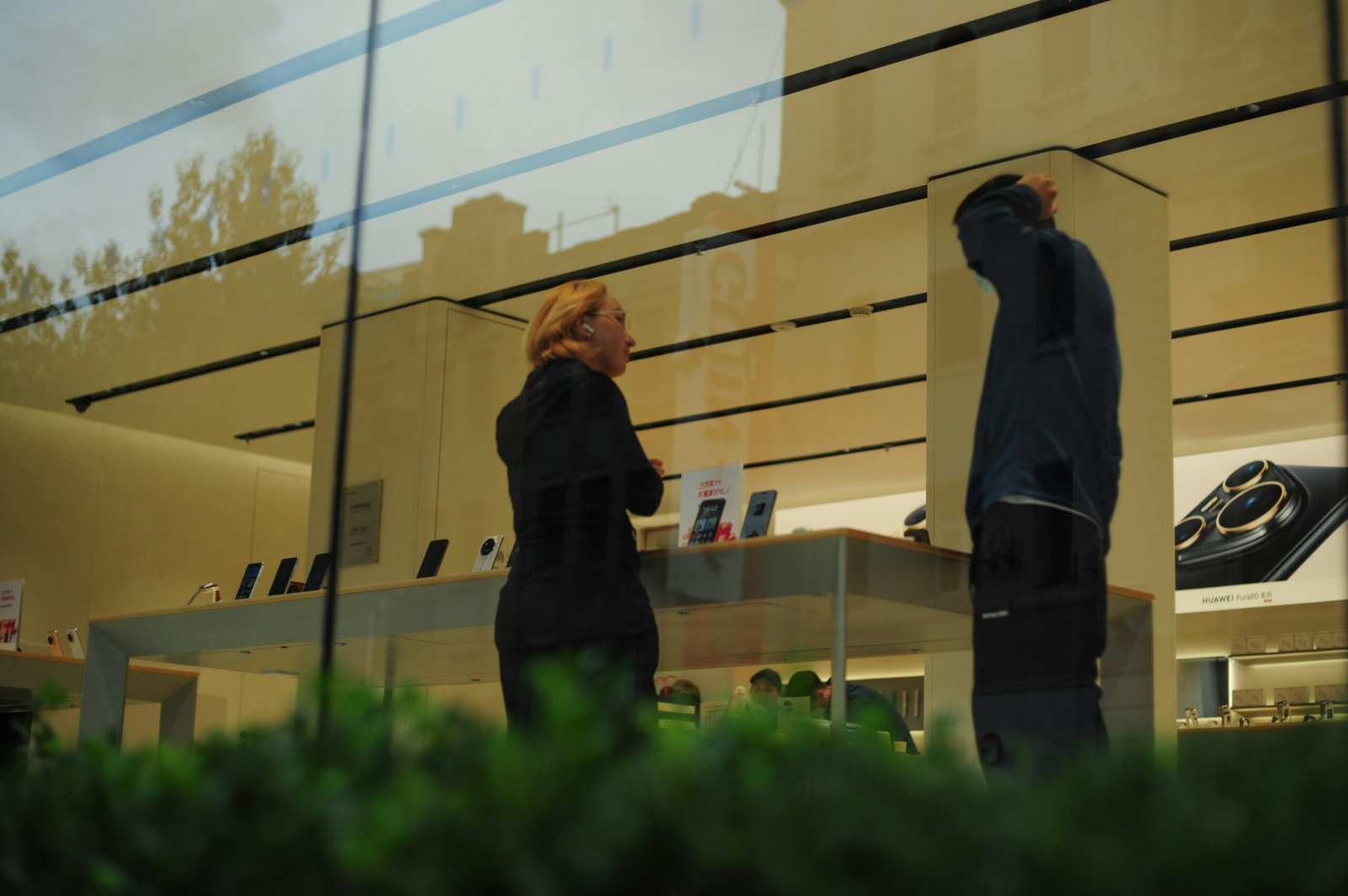
For Indonesian small retail business owners where e-commerce is projected to reach USD 194.20 billion by 2030 [84] and 83.8% of transactions originate from Java [82], omnichannel integration represents strategic necessity rather than optional enhancement. With 73% of shoppers using multiple channels during buying journeys [71] and omnichannel customers spending 30% more than single-channel shoppers [71], creating seamless online-offline experiences determines competitive survival in markets where consumers expect unified brand interactions across all touchpoints.
Research reveals companies with strong omnichannel engagement retain 89% of customers versus 33% for weaker strategies [78], while omnichannel shoppers shop 1.7 times more than single-channel customers [75]. For Indonesian retailers navigating markets where digital adoption accelerates but infrastructure remains uneven [82], understanding omnichannel implementation transforms fragmented channel strategies into cohesive customer experiences delivering measurable business growth and sustainable competitive advantages.
Understanding Omnichannel: Beyond Multichannel Marketing
Omnichannel represents fundamental shift from disconnected channel management to integrated customer experience design prioritizing seamless transitions across all brand touchpoints.
Omnichannel vs. Multichannel: Critical Differences—Multichannel retail uses different channels to interact with customers but operates them separately with independent systems, inventory, and customer data [75]. Omnichannel provides unified experiences where customers seamlessly transition between channels—browsing products online, checking in-store availability, purchasing via mobile, and returning through physical locations—all connected through centralized data and inventory systems [74]. 87% of shoppers commence shopping trips via digital means [75], making channel integration essential as customer journeys increasingly blend online research with offline purchases. For Indonesian retailers, this distinction matters because fragmented multichannel approaches create friction points frustrating customers expecting seamless experiences mirroring global retail leaders.
Why Omnichannel Matters in 2025—87% of retailers believe omnichannel is critical to future success, yet only 8% feel they’ve fully mastered it [71], revealing massive opportunity gaps for Indonesian small businesses willing to invest strategically. Shopping preferences remain nearly even split—51% prefer online, 49% in-store globally [74]—demonstrating customers value both channels depending on purchase context, product category, and personal preferences. The average consumer now needs over 50 touchpoints when buying products compared to just 2 touchpoints 15 years ago [76], reinforcing that omnichannel approaches have become retail necessities rather than competitive differentiators. Indonesian e-commerce showing stable 4.95% transaction growth and 6.8% consumer increase [82] indicates sustained digital adoption requiring integrated strategies serving both online and offline shoppers effectively.
The Indonesian Omnichannel Landscape—Indonesia’s e-commerce market estimated at USD 94.5 billion in 2025 growing to USD 194.20 billion by 2030 at 15.5% CAGR [84] creates massive opportunities for retailers integrating online-offline channels. However, 83.8% of transactions concentrate in Java [82], indicating geographic disparities requiring localized omnichannel strategies adapting to regional infrastructure variations. Omnichannel service convenience and congruence significantly affect perceived trust and satisfaction among Indonesian consumers [81], demonstrating that successful integration builds competitive advantages through enhanced customer relationships. Brick-and-mortar retailers adopting omnichannel strategies offering click-and-collect or home delivery enhance customer experiences driving sales [86], validating integrated approaches for Indonesian retailers balancing physical store investments with digital expansion.
Strategic Foundations: Building Omnichannel Capabilities
Successful omnichannel implementation requires strategic planning addressing technology infrastructure, organizational alignment, and customer experience design before tactical channel activation.
Unified Customer Data and Identity Management—Start by building unified customer views integrating data from all touchpoints—physical stores, e-commerce platforms, marketplaces (Shopee, Tokopedia, Lazada), social media, mobile apps, and customer service interactions [80]. This centralized customer identity system enables personalized experiences across channels, showing customers their purchase history, preferences, and loyalty status regardless of interaction point. 72% of consumers only engage with personalized marketing content [71], making unified customer data foundational for effective omnichannel engagement. Indonesian retailers should implement customer data platforms (CDPs) or CRM systems connecting disparate channel data, enabling cohesive customer experiences recognizing individuals across online and offline touchpoints.
Integrated Inventory Management Systems—Real-time inventory visibility across all channels prevents overselling, enables buy-online-pickup-in-store (BOPIS), and optimizes stock allocation based on demand patterns [80]. 80% of retailers plan implementing BOPIS services by 2025 [71], reflecting customer demand for flexible shopping combining online convenience with immediate in-store pickup. BOPIS transactions in U.S. accounted for USD 95 billion in 2022, expected to reach USD 154 billion by 2025 [71], demonstrating substantial revenue opportunity from hybrid shopping models. Indonesian retailers facing logistical challenges across archipelago geography [84] particularly benefit from inventory integration enabling customers to reserve products online and collect from convenient locations, reducing last-mile delivery costs while driving store traffic.
Technology Platform Integration—Omnichannel requires connecting point-of-sale systems, e-commerce platforms, marketplace integrations, mobile applications, and back-office systems through APIs and middleware enabling seamless data flow [80]. Indonesian omnichannel platforms like iSeller help retailers manage POS, e-commerce stores, online marketplaces, and social media from single unified systems [87]. This integration eliminates manual data entry, synchronizes product information and pricing across channels, and provides centralized reporting showing holistic business performance. Implementing omnichannel shouldn’t require enormous ground-up projects—integrating existing systems enables quick market launches within 30 days [87], making omnichannel accessible for Indonesian small businesses without massive technology investments.
Organizational Alignment and Change Management—Siloed teams managing channels independently undermine omnichannel success [80]. Create cross-functional steering committees managing omnichannel strategy, ensure incentives align across channels rather than competing, and establish clear governance frameworks coordinating channel activities. Many Indonesian retailers struggle because e-commerce teams, physical store operations, and marketing function independently with conflicting KPIs creating internal competition rather than collaboration. Cultural change is needed—this may require hiring new roles like data scientists, integration engineers, or customer experience architects [80] and training existing staff understanding omnichannel customer journeys transcending individual channel boundaries.
Implementation Strategies: Creating Seamless Customer Experiences
Transforming omnichannel strategy into operational reality requires prioritizing customer-facing capabilities delivering immediate value while building long-term infrastructure supporting continued evolution.
Buy Online, Pickup In-Store (BOPIS) and Click-and-Collect—BOPIS represents entry point for many retailers beginning omnichannel journeys, offering low friction implementation with immediate customer value [80]. 77.2% of top U.S. retailers offered BOPIS in 2024 [80], making it standard expectation rather than premium service. Customers purchasing online then physically traveling to stores for pickup prefer certainty and lower costs versus delivery [77], while retailers benefit from additional purchases when customers visit stores—research shows BOPIS customers spend 4% more during store visits than single-channel customers [78]. Indonesian retailers should start with BOPIS pilot programs in high-traffic locations, measuring incremental purchases, customer satisfaction, and operational efficiency before broader rollouts. This approach requires minimal technology—basic inventory visibility and reservation systems—making it accessible for small businesses testing omnichannel strategies.
Mobile-First Omnichannel Experiences—Mobile is the glue holding omnichannel together, serving as discovery, comparison, and checkout platform [74]. 95% of Indonesian internet users access platforms via smartphones [85], making mobile optimization essential rather than optional. Mobile wallets (Apple Pay, Google Pay, GoPay, OVO, DANA, ShopeePay) accounted for 28% of in-person transactions in 2023, projected exceeding 30% by 2027 [76], demonstrating payment preference shifts requiring mobile integration. Indonesian retailers should ensure mobile-responsive e-commerce sites, mobile payment acceptance in physical stores, mobile apps enabling product browsing and reservation, and location-based services notifying customers of nearby stores with desired products. 30% of consumers browse or shop via mobile weekly [74], with younger demographics showing even higher mobile dependence requiring mobile-first strategies.
Unified Commerce and Real-Time Synchronization—Unified commerce proceeds omnichannel, connecting sales channels, operations, and processes natively on centralized platforms ensuring front-end experiences remain truly seamless [76]. Customers expect intuitive interfaces allowing them to see real-time inventory, reserve products, and complete purchases without multiple steps [73]. Indonesian retailers using platforms like SIRCLO or iSeller manage all sales channels from unified systems [82][87], eliminating disconnects frustrating customers encountering inconsistent information across channels. Real-time synchronization ensures pricing, promotions, product availability, and customer data remain consistent whether customers interact via physical stores, websites, mobile apps, or social commerce platforms—consistency builds trust driving conversion and loyalty.
Omnichannel Loyalty Programs and Personalization—69% of consumers say in-app loyalty programs would make them spend more, while 84% say it would increase loyalty [76]. Implement loyalty programs recognizing customers across all channels, rewarding both online and offline purchases, providing personalized offers based on cross-channel behavior, and enabling points redemption regardless of purchase channel. 80% of Indonesian consumers are more likely to purchase when given personalized choices [75], demonstrating personalization’s impact on conversion. Use unified customer data powering AI-driven recommendations, targeted promotions aligned with individual preferences, and dynamic content adapting to customer behavior patterns. Indonesian retailers should leverage platforms offering built-in personalization capabilities rather than building custom solutions from scratch.
Buy Online, Return In-Store (BORIS) and Flexible Returns—76% of consumers consider free returns key factors deciding where to shop [73], while BORIS (buy online, return in-store) accounted for 50% of online purchase returns totaling USD 123 billion in 2023 [73]. BORIS encourages foot traffic to physical storefronts where customers may make additional purchases, offsetting return costs through incremental sales [73]. Indonesian retailers should establish clear return policies consistent across channels, train store staff processing online returns efficiently, and use returns as customer service opportunities rather than inconvenient obligations. Flexible returns reduce purchase hesitation for online shoppers concerned about fit or quality, increasing conversion rates while demonstrating customer-centric approaches building long-term loyalty.
Technology Enablers: Tools Supporting Omnichannel Success
Strategic technology investments amplify omnichannel capabilities, automating processes, enhancing customer experiences, and providing data-driven insights optimizing channel performance.
Omnichannel Commerce Platforms—Platforms like SIRCLO, iSeller, and international solutions (Shopify POS, Lightspeed, Square) provide integrated systems managing inventory, orders, customers, and sales across channels from centralized dashboards [76][82][87]. These platforms eliminate manual processes, reduce errors from disconnected systems, and provide real-time visibility into business performance. The omnichannel retail solutions market is projected growing from USD 29.13 billion (2023) to USD 82.9 billion by 2032 at 12.3% CAGR [80], indicating widespread adoption and continued platform innovation. Indonesian small businesses should evaluate platforms based on ease of use, marketplace integrations (Shopee, Tokopedia, Lazada, TikTok Shop), local payment gateway support (GoPay, OVO, DANA), and scalability supporting business growth without requiring platform replacements.
AI and Predictive Analytics—60% of retailers aim integrating AI into omnichannel strategies offering personalized, real-time experiences [71]. AI analyzes customer data predicting future buying behaviors, enabling proactive engagement with relevant offers before customers explicitly express needs [72][79]. AI-powered algorithms deliver tailored product suggestions, targeted promotions, and dynamic pricing based on browsing and purchase history [84], improving customer satisfaction while driving repeat purchases through unique, relevant experiences. Indonesian retailers should start with AI-powered product recommendations, automated email marketing triggered by customer behaviors, chatbots handling routine customer service inquiries, and inventory demand forecasting optimizing stock levels across locations.
Mobile Apps and Progressive Web Apps—Mobile apps aren’t just product discovery tools—they integrate into every sales process stage from discovery to loyalty [76]. Apps enable shipment tracking, mobile wallet payments, push notifications about promotions or stock availability, and loyalty program management. Almost 70% of consumers say in-app loyalty programs would increase spending, while 84% say it would boost retailer loyalty [76]. Indonesian retailers should consider progressive web apps (PWAs) offering app-like experiences without requiring app store downloads, reducing barriers to adoption while providing rich functionality supporting omnichannel engagement.
Social Commerce Integration—Social media platforms (Instagram, Facebook, TikTok) evolve from brand awareness tools to full shopping platforms [74]. 74% of shoppers rely on social networks for purchasing decisions [75], while 31% browse for new items on social media with 78% of purchases influenced by company posts [75]. Indonesian consumers spend 3.5 hours daily on social platforms [85], making social commerce powerful conversion channel. Retailers should implement shoppable posts enabling direct purchases from social platforms, live shopping events demonstrating products and answering questions real-time, influencer collaborations building trust and engagement, and user-generated content showcasing authentic product experiences. Platforms like TikTok Shop, Instagram Shopping, and Facebook Shops integrate directly with Indonesian e-commerce ecosystems enabling seamless social-to-purchase journeys.
Data Analytics and Business Intelligence—Comprehensive analytics platforms consolidate data from all channels providing insights into customer journeys, channel attribution, product performance, and operational efficiency [80]. Track metrics like cross-channel conversion paths, customer lifetime value by channel, inventory turnover across locations, and omnichannel customer retention versus single-channel. Use journey mapping understanding how customers move across devices, touchpoints, and offline interactions [80], identifying friction points requiring optimization. Indonesian retailers should implement analytics solutions providing actionable insights rather than overwhelming data volumes, focusing on metrics directly informing business decisions and channel optimization strategies.
Indonesian Market Considerations: Localizing Omnichannel Strategies
Indonesia’s unique market dynamics require adapted omnichannel approaches reflecting geographic, cultural, and infrastructure realities while leveraging distinctive opportunities.
Geographic Dispersion and Logistical Challenges—Indonesia’s 17,000+ islands create unique delivery challenges requiring adaptable strategies, strong partnerships, and last-mile optimization [84]. 83.8% of e-commerce transactions concentrate in Java [82], indicating infrastructure disparities between Java and outer islands affecting omnichannel feasibility. Click-and-collect, micro-fulfillment centers, and decentralized warehousing models address these challenges [84], shortening delivery times, reducing costs, and providing inventory control. Indonesian retailers should prioritize omnichannel capabilities in Java and major cities first, gradually expanding as infrastructure and demand justify investments in secondary markets.
Payment Ecosystem and Digital Wallet Integration—Digital wallets (GoPay, OVO, DANA, ShopeePay) facilitate 40% of online payments [85], with QRIS (Quick Response Code Indonesian Standard) becoming default transaction method [84]. Indonesian retailers must integrate these payment options across channels—physical stores, e-commerce platforms, mobile apps—ensuring customers can use preferred payment methods regardless of purchase channel. Cash-on-delivery remains important in certain regions lacking digital payment trust or banking access [84], requiring flexible payment strategies accommodating diverse customer preferences rather than one-size-fits-all approaches.
Social Commerce and Influencer Marketing—Indonesian consumers spend 3.5 hours daily on social platforms—one of highest rates globally [85]—making social commerce powerful conversion channel. Platforms like TikTok, Instagram, and YouTube drive storytelling, reviews, and live commerce [85]. Indonesian retailers should leverage influencer partnerships creating trust and engagement, live shopping events demonstrating products interactively, user-generated content building authentic brand connections, and shoppable content reducing purchase friction. Social commerce integration with omnichannel inventory enables customers discovering products socially to check in-store availability or reserve for pickup, bridging social discovery with convenient fulfillment.
Cultural Moments and Seasonal Peaks—Ramadan, mega-sale events (9.9, 10.10, 11.11, 12.12), and national holidays drive significant transaction volumes [85]. Indonesian retailers should coordinate omnichannel campaigns during these periods, ensuring consistent messaging across channels, adequate inventory across all locations, and promotional offers accessible both online and offline. Cultural sensitivity and localization matter—successful omnichannel experiences reflect regional preferences, language variations, and local traditions rather than generic approaches ignoring Indonesia’s diversity.
MSME Enablement and Digital Transformation Support—E-commerce plays pivotal roles aiding MSMEs [90], with government initiatives like “100 Smart Cities” and digital economy development strategies supporting omnichannel adoption [86]. Indonesian small businesses can leverage platforms offering integrated solutions without massive upfront investments [87], making omnichannel accessible for resource-constrained retailers. Partnership with technology providers, participation in government digital transformation programs, and phased implementation strategies enable gradual omnichannel adoption matching business growth and capability development.
Partner with MD Asia for Omnichannel Excellence
Implementing omnichannel strategies successfully requires expertise in technology integration, customer experience design, channel coordination, change management, and performance optimization—capabilities Indonesian small businesses understandably lack while managing daily operations and core business functions. Professional support dramatically improves outcomes while ensuring investments deliver measurable returns justifying omnichannel adoption.
MD Asia understands unique challenges facing Indonesian small retail businesses seeking to create seamless online-offline experiences in rapidly evolving markets. As integrated marketing company delivering end-to-end solutions across digital, creative, and offline advertising production, we help retailers develop and implement comprehensive omnichannel strategies that unify customer touchpoints, integrate channel operations, personalize customer experiences, and measure results with precision enabling continuous improvement. Our team combines deep understanding of Indonesian consumer behavior and market dynamics with proven omnichannel methodologies ensuring every channel investment delivers maximum impact.
Whether you need strategic planning and roadmap development aligning omnichannel initiatives with business objectives, technology selection and platform integration matching capabilities to requirements and budgets, customer experience design creating seamless journeys across online and offline touchpoints, organizational change management aligning teams and incentives for omnichannel success, or comprehensive analytics and optimization maximizing channel performance and ROI, MD Asia provides expertise and support transforming omnichannel vision into operational reality. We work with businesses of all sizes, understanding Indonesian small retailers need cost-effective solutions delivering measurable impact without requiring massive upfront investments or dedicated technical teams.
Ready to create seamless omnichannel experiences capturing customers across all touchpoints? Contact MD Asia today to discover how professional omnichannel services can increase customer retention and lifetime value, improve conversion rates across all channels, reduce operational costs through integrated systems, enhance competitive positioning versus channel-siloed competitors, and provide clear performance measurement proving investment value. Let us help you build omnichannel capabilities positioning your brand for sustained growth in Indonesia’s evolving retail landscape where channel integration separates market leaders from struggling competitors.
Conclusion: Omnichannel as Competitive Necessity
In Indonesia’s rapidly digitalizing retail environment where e-commerce reaches USD 194.20 billion by 2030 [84], 73% of shoppers use multiple channels [71], and consumer expectations for seamless experiences reach record highs [72], omnichannel integration represents competitive necessity rather than optional enhancement for retailers committed to long-term success. The evidence compels attention: 89% customer retention for strong omnichannel versus 33% for weak strategies [78], 30% higher spending from omnichannel customers [71], 1.7x more shopping frequency [75], and 87% of retailers believing omnichannel critical for future success [71].
For Indonesian small retail businesses, omnichannel profitability depends on strategic implementation prioritizing customer experience, organizational alignment, and technology integration supporting rather than complicating operations. Not every retailer requires full omnichannel capabilities immediately—success comes from phased approaches starting with high-value capabilities like BOPIS, mobile optimization, and loyalty integration, proving ROI before expanding to sophisticated unified commerce platforms and AI-powered personalization. However, retailers ignoring omnichannel trends risk competitive disadvantages as customers increasingly expect seamless experiences matching global retail leaders regardless of retailer size or market position.
Indonesia’s unique opportunities—220 million internet users [85], 95% mobile penetration [85], 15.5% e-commerce CAGR through 2030 [84], and government support for digital transformation [86]—create ideal conditions for omnichannel success when approached strategically. The question for Indonesian small business owners isn’t whether omnichannel matters—evidence confirms critical importance—but rather how quickly and effectively to implement integrated strategies serving customers across all touchpoints. Start with customer journey mapping identifying priority integration points, implement foundational capabilities proving value and building organizational confidence, continuously optimize based on performance data and customer feedback, and scale strategically as capabilities and market conditions warrant expanded investment. When approached thoughtfully with realistic expectations and professional support, omnichannel transforms from daunting technology project into competitive advantage driving measurable business growth and customer loyalty in Indonesia’s dynamic retail landscape.
👉 Contact us today and start creating a store display that truly stands out.
References
[71] Firework. (2025, August 25). 52+ Omnichannel Stats You Can’t Afford to Ignore in 2024. Retrieved from https://firework.com/blog/omnichannel-statistics
[72] SAP Emarsys. (2025, January 30). 4 Omnichannel Trends for Retail in 2025. Retrieved from https://emarsys.com/learn/blog/omnichannel-trends-retail/
[73] Feedonomics. (2025, April 17). 11 omnichannel trends shaping the retail landscape in 2025. Retrieved from https://feedonomics.com/blog/omnichannel-trends/
[74] GWI. (2025, April 3). Omnichannel retail trends: What’s shaping the future of shopping? Retrieved from https://www.gwi.com/blog/omnichannel-retail-trends
[75] WiserNotify. (2025, September 10). 45 Omnichannel Statistics & Trends (New 2025 Data). Retrieved from https://wisernotify.com/blog/omnichannel-stats/
[76] Shopify. (n.d.). 8 Omnichannel Trends for 2025 & Beyond. Retrieved from https://www.shopify.com/retail/omnichannel-trends
[77] Fit Small Business. (2024, September 4). 41 Omnichannel Statistics for Retailers in 2024. Retrieved from https://fitsmallbusiness.com/omnichannel-statistics/
[78] UniformMarket. (2025, April 25). Omnichannel Statistics For Retailers And Marketers (2025). Retrieved from https://www.uniformmarket.com/statistics/omnichannel-shopping-statistics
[80] Marketing LTB. (2025, October 9). Omnichannel Statistics for 2025: Data, Trends & Insights. Retrieved from https://marketingltb.com/blog/statistics/omnichannel-statistics/
[81] Jurnal Ilmiah Manajemen Kesatuan. (n.d.). Transforming Indonesia’s Omnichannel E-Commerce Strategy. Retrieved from https://jurnal.ibik.ac.id/index.php/jimkes/article/view/3963
[82] SIRCLO. (n.d.). Menelaah Lanskap E-Commerce Indonesia: Tren 2024 dan Proyeksi 2025. Retrieved from https://sirclo.com/press/menelaah-lanskap-e-commerce-indonesia-tren-2024-dan-proyeksi-2025-versi-sirclo
[84] Anchanto. (2025, October 10). Indonesia’s E-commerce Market: Growth, Trends & Insights. Retrieved from https://anchanto.com/indonesia-e-commerce-industry/
[85] Sellercraft. (n.d.). Indonesia Digital Retail Outlook 2025–2026. Retrieved from https://sellercraft.co/indonesia-digital-retail-outlook-2025-2026/
[86] Meet Ventures. (2025, February 20). The Rise of E-commerce in Indonesia: Key Trends 2025. Retrieved from https://www.meetventures.com/post/the-rise-of-e-commerce-in-indonesia-key-trends-and-opportunities-in-2025
[87] iSeller. (n.d.). Indonesia’s #1 Omnichannel Commerce Platform. Retrieved from https://www.isellercommerce.com/omnichannel
[90] SIRCLO. (n.d.). Navigating Indonesia’s E-Commerce: Omnichannel as the Future of Retail. Retrieved from https://www.sirclo.com/featured-insights/report/navigating-indonesia-s-e-commerce-omnichannel-as-the-future-of-retail