
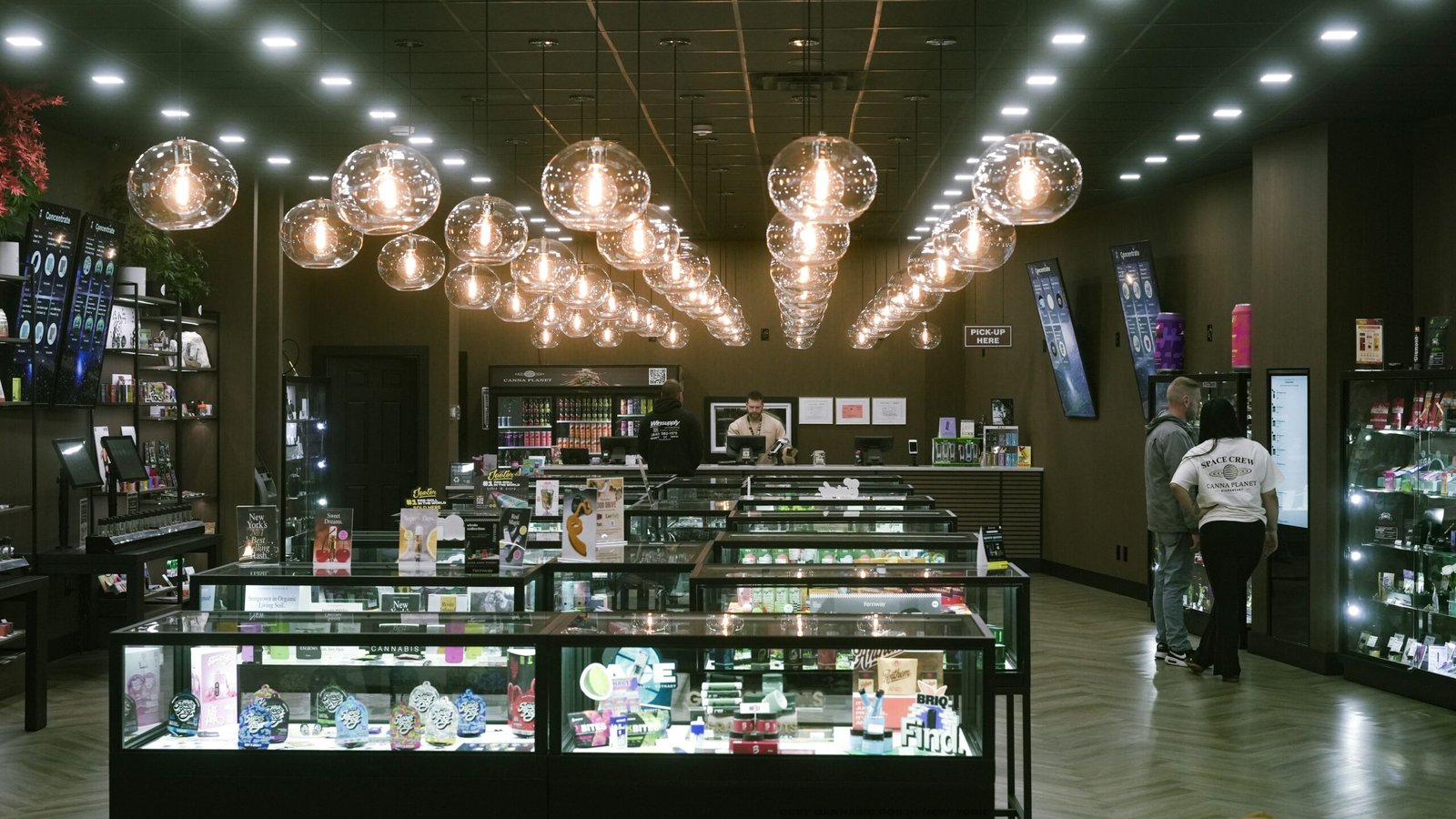
Indonesian retail businesses navigating competitive markets where 75% of shoppers prefer stores offering unique experiences [1] recognize focal points as powerful tools transforming displays from cluttered presentations into strategic customer guidance systems. Studies show focal points directing customer attention result in 18% sales increases for featured products [2], while strategic positioning captures attention influencing purchasing behavior measurably [3]. With retail sales growing steadily driven by essential categories [4], professional focal point implementation separates thriving businesses maximizing every square meter from struggling competitors allowing customers browsing aimlessly without clear direction toward high-value merchandise.
Focal points are strategically designated store areas intended to captivate and guide customer attention through deliberate arrangement of visual elements creating sensory impact ultimately influencing purchasing behavior [2]. Without emphasis, customers face visual chaos—too many products competing for attention with no clear direction [5]. For Indonesian small retailers where millions of merchants create price pressure [6] and consumers become increasingly selective [7], focal point strategy provides accessible competitive advantage requiring minimal investment while delivering measurable engagement and conversion improvements communicating product importance instantly through thoughtful visual arrangement.
Understanding Focal Point Fundamentals
Focal points represent distinctive visual elements capturing attention and directing customer paths through stores, serving as foundation for effective visual merchandising transforming browsing into purposeful exploration leading to purchases.
What Makes Focal Points Essential—Visual attraction plays fundamental role in shopping experiences—when entering stores, customers must be immediately guided by distinctive visual elements capturing attention and directing paths [3]. Focal point is element drawing eye, stimulating interest, and encouraging interaction with products through scenic installations, targeted lighting effects, or carefully curated displays [3]. When well executed, focal points convey clear messages and strengthen brand identity [3]. Without focal points, customers browse aimlessly—difference between customer who browses aimlessly and one who stops, looks, and connects with merchandise [5]. Every display needs hero preventing visual chaos where too many products compete for attention with no clear direction [5]. Focal points capture customer attention first then eyes wander eventually noticing each item in display—think of focal point as well-dressed woman’s favorite accessory catching attention first before noticing other elements [8].
Business Impact and Performance—Retail companies strategically implementing focal points experience notable increases in customer engagement and sales [2]. One retail company utilizing focal points to draw attention to limited-edition products resulted in surge of customer interest and 18% increase in sales of exclusive items [2]. Success of this strategy in driving sales of specific products serves as benchmark for leveraging focal points to promote exclusive merchandise and create urgency among customers [2]. Strong visual merchandising increases engagement and lifts conversion with focal points drawing traffic [9]. Strategic placement of focal points coupled with comprehensive insights empowers retailers optimizing display impact creating immersive captivating shopping experiences [2]. For Indonesian retailers where retail market reaches significant values [4], focal point mastery provides measurable returns requiring limited capital investment while delivering substantial engagement and conversion improvements justifying implementation even for resource-constrained small businesses.
Strategic Focal Point Placement
Location determines focal point effectiveness—identifying ideal positions in high-visibility areas maximizes customer exposure while guiding traffic through entire store encouraging exploration and discovery.
Primary External Focal Points—Storefront and window displays are business’s first focal points attracting customer attention to pique interest and gain presence within establishments [10]. This focal point should not block traffic into store but serve to grab attention and pull customers in [10]. First focal point from outside store attracts customer attention—what you’re looking for is customer’s comfortable eye level [8]. Successful example of focal point found in department store windows where lights, colors, and evocative settings create magical atmospheres attracting customers and boosting sales [3]. Walk around store and notice what part of retail displays your eye catches first—gently put sticker on area where eye hits to mark focal point while working [8]. Indonesian retailers should prioritize window and entrance focal points as highest-return investments—these areas determine whether potential customers enter stores making them critical conversion points requiring professional attention ensuring visual impact communicating brand quality and product desirability instantly.
Internal Traffic Flow Focal Points—Typically, most effective focal points are placed in high-visibility areas including store entrance or most frequented transit zones [3]. Focal point positioned at end of shopping path can encourage impulse purchases as seen in grocery stores where premium products displayed near checkout [3]. Identifying ideal position for focal point is crucial with strategic placement in high-visibility areas maximizing customer exposure [3]. Fashion stores often use runways or elevated platforms creating focal points simulating fashion shows making shopping experiences more engaging [3]. Electronics stores use vertical displays and digital walls highlighting flagship products capturing attention with engaging visual animations [3]. Indonesian small retailers should establish focal points at: store entrance immediately setting tone and communicating featured promotions, mid-store locations breaking browsing monotony and introducing new discovery zones, end-of-aisle positions guiding customers deeper into spaces, and checkout areas presenting last-minute impulse opportunities maximizing transaction values through strategic final-moment product suggestions.
Visual Elements Creating Effective Focal Points
Multiple design elements combine creating compelling focal points—color, height, lighting, and contrast work together capturing attention and communicating product importance without requiring expensive installations.
Color Psychology and Contrast—Color choice plays vital role in focal points with vibrant colors and strong contrasts attracting attention while neutral sophisticated tones convey elegance and refinement [3]. Warm colors like red, orange, and yellow naturally advance toward viewer making them excellent choices for items you want emphasizing—yellow raincoat in sea of navy blue jackets catches attention instantly [5]. Cool colors like blue and green tend to recede making them useful for supporting elements that shouldn’t compete with focal points [5]. Using right colors is one of most critical visual merchandising techniques essential for building strong brand stories and fostering certain moods in customers [9]. Bright and bold colors can catch attention of passersby and draw them into stores [11]. Not all emphasis comes from adding brightness—sometimes you create emphasis by de-emphasizing surrounding elements [5]. Dull surfaces absorbing light help push areas into background making focal points shine brighter by comparison—matte black backdrop makes glossy silver watch face appear more luminous and valuable [5].
Height and Vertical Interest—Create height using tall or vertical displays creating sense of height and drawing eye upward [11]. Our eyes immediately gravitate to high points while glancing at displays—building on top of tables or hanging merchandise and visual displays from ceiling create height [12]. Layer variety of smaller tables, ladders or chairs on tables creating elevation while prominently displaying most eye-catching merchandise at top treating it like magnificent crown [12]. Multi-level displays draw attention, maximize retail space and allow customers’ eyes to gently flow through products [12]. Populate levels beneath with similar coordinating merchandise at lower price points—spectacle lures customers in and they’ll stay browsing related products below [12]. Apply Rule of Three stating groups of three products attract attention more than any other number while Pyramid Principle suggests customers attracted to triangular arrangements with oversized item in center [9]. Indonesian retailers can create height affordably using stacked crates, boxes, risers, or improvised platforms—vertical interest doesn’t require expensive fixtures but thoughtful arrangement maximizing limited floor space.
Strategic Lighting Techniques—Lighting and emphasis work hand in hand with strategic accent lighting creating contrast ratios drawing attention—3:1 ratio creates noticeable emphasis while 5:1 delivers maximum impact [5]. When you walk into jewelry store, notice how spotlights create sparkle and drama around featured pieces while leaving less important items in softer ambient light [5]. Type of lighting matters with spotlights creating dramatic emphasis perfect for highlighting single statement pieces while track lighting offers flexibility allowing adjustments as merchandise changes [5]. Color temperature of lights affects emphasis—warmer lights around 3000K create inviting intimate feels while cooler lights 5000K and above convey energy and modernity [5]. Lighting can be used to highlight particular products or areas creating sense of focus and drama [11]. Optimal lighting not only highlights products but creates moods enhancing in-store experiences making focal points of shopping journeys [13]. Indonesian retailers should invest in affordable LED spotlights and track lighting—these provide flexibility and emphasis without excessive electricity costs while enabling regular focal point adjustments as featured products change maintaining visual freshness.
Creating Thematic Focal Points
Thematic coherence strengthens focal point impact—storytelling through coordinated displays creates emotional connections making featured products more memorable and desirable while differentiating stores from competitors.
Theme Development and Storytelling—Creating theme or story around product or display makes it more interesting and engaging for customers [11]. Start with story considering whether you’ll tell it with color—there should always be one thing that first attracts attention [10]. Keeping cohesive focal point is paramount to success communicating theme or story within visual display reminding customers of fond places and memories tugging at heart [12]. Well-thought-out visual merchandising strategy ensures all displays align with brand’s overall theme reinforcing values and mission [10]. For Indonesian retailers, themes can reflect: seasonal celebrations including Ramadan, Chinese New Year, or Independence Day creating culturally-relevant connections, local cultural elements showcasing Indonesian craftsmanship or traditional motifs, lifestyle aspirations demonstrating product usage in desired contexts, or promotional narratives highlighting value propositions and special offers creating urgency driving immediate purchases while building brand narratives customers remember.
Props and Supporting Elements—Props such as mannequins, signage, or other items can be used to draw attention to particular areas or products [11]. Use props and displays to tell stories about products, brands, or even customers helping create sense of nostalgia and making stores more memorable [14]. Luxury stores display single handbags against subdued textured walls—wall doesn’t compete for attention but provides sophisticated canvas making product stand out showing emphasis isn’t always about adding more but thoughtful subtraction [5]. Indonesian retailers can use affordable props: natural materials like bamboo, rattan, or wood reflecting local aesthetics, repurposed everyday items creating unique interesting displays, seasonal decorations aligning with cultural calendar, and simple geometric shapes or platforms elevating featured products—creativity matters more than expense with thoughtful prop selection enhancing focal points without requiring substantial investment.
Implementing Systematic Focal Point Strategies
Sustainable focal point programs require regular rotation, performance measurement, and continuous refinement ensuring displays remain fresh driving repeat visits while maximizing return on merchandising investments.
Rotation and Refresh Cycles—Keep displays fresh and seasonal maintaining customer interest [9]. Strong visual merchandising using focal points must remain current—change store’s color palette reflecting seasonal trends or holidays breathing new life into stores attracting visitors year-round [9]. Focal point displays are best way to get customers walking entire stores without thoughtful effort [10]. Regular rotation prevents “display blindness” where regular customers stop noticing unchanged presentations—systematic refresh schedules every 2-4 weeks maintain visual interest encouraging repeat visits. Indonesian retailers should establish rotation calendars aligning with: cultural celebrations and holidays ensuring relevance, new product arrivals highlighting latest inventory, promotional periods emphasizing special offers, and seasonal transitions maintaining contemporary feel—consistent rotation demonstrates active management and customer consideration building trust and loyalty.
Performance Tracking and Optimization—Track focal point performance through: sales data for featured products measuring conversion impact, customer dwell time near displays indicating engagement levels, staff observations noting customer interactions and questions, and customer feedback gathering direct input on display effectiveness. Analyze which focal point locations, products, themes, colors, and prop combinations generate best results then replicate success patterns. Indonesian retailers should maintain simple tracking systems: notebook logs recording featured products and timeframes, sales reports comparing featured versus non-featured product performance, photos documenting successful displays for reference and replication, and staff debriefs discussing customer responses and opportunities—systematic measurement enables data-driven improvements maximizing focal point ROI over time.
Partner with MD Asia for Professional Focal Point Strategy
Implementing effective focal point programs requires expertise in visual design, consumer psychology, cultural understanding, and systematic execution—capabilities Indonesian small retailers understandably lack while managing inventory, sales, and operations demanding constant attention.
MD Asia understands unique challenges facing Indonesian retailers where 75% of shoppers prefer unique experiences [1] yet small businesses compete against larger retailers with professional merchandising teams. As integrated marketing company delivering end-to-end solutions across digital, creative, and offline advertising production, we help retailers develop focal point strategies that maximize impact from limited space through strategic placement and design, drive measurable sales increases for featured products, create culturally-relevant themes resonating with Indonesian customers, provide staff training enabling internal capability development, and deliver ongoing support ensuring consistent execution. Our team combines visual merchandising expertise with Indonesian market understanding ensuring focal points deliver business results.
Whether you need comprehensive focal point strategy development, custom display design and construction, seasonal rotation planning and execution, staff training on focal point principles, or performance measurement and optimization support, MD Asia provides expertise transforming displays into strategic assets. We work with retailers of all sizes understanding small businesses need practical cost-effective solutions.
Ready to transform customer attention through professional focal point strategy? Contact MD Asia today to discover how expert guidance can increase featured product sales by 18% through strategic focal points, improve customer engagement creating memorable experiences, maximize limited retail space through vertical and thematic displays, reduce trial-and-error costs through proven strategies, and build internal capabilities ensuring ongoing success. Let us help you develop focal point mastery positioning your retail business for sustained success in Indonesia’s competitive landscape.
Conclusion
In Indonesia’s evolving retail environment where 75% of shoppers prefer stores offering unique experiences [1] and strategic focal points deliver 18% sales increases for featured products [2], professional focal point implementation represents accessible competitive advantage for small retailers committed to customer engagement and revenue maximization through thoughtful visual merchandising rather than expensive renovations or inventory expansion.
The evidence compels attention: focal points capture customer attention influencing purchasing behavior measurably [3], strategic placement empowers retailers optimizing display impact [2], and well-executed focal points convey clear messages strengthening brand identity [3]. For Indonesian retailers, focal point profitability depends on: strategic placement in high-visibility areas maximizing exposure, effective use of color, height, and lighting creating emphasis, thematic coherence telling stories resonating with customers, systematic rotation maintaining freshness encouraging repeat visits, and performance tracking enabling data-driven improvements. Success comes from understanding focal point principles, starting with high-impact affordable implementations, building capability through regular practice, measuring results proving value, and scaling strategically.
Indonesia’s opportunities—growing retail market, mobile-first consumers, cultural diversity enabling themed displays, and rising expectations for professional presentation—create ideal conditions for focal point success when approached strategically. Start with honest store assessment identifying current attention patterns, invest in affordable lighting and height-creating fixtures, develop rotation calendar aligning with cultural events, train staff on focal point principles, and measure everything tracking performance. When executed thoughtfully, focal point strategy transforms from optional decoration into strategic competitive advantage differentiating retailers in Indonesia’s dynamic market where visual excellence increasingly determines success.
👉 Contact us today and start creating a store display that truly stands out.
References
[1] Leafio. (2024, September 19). 6 Effective Visual Merchandising Techniques and Strategies. Retrieved from https://www.leafio.ai/blog/effective-visual-merchandising-strategies/
[2] LarkSuite. (2024, January 11). Focal Points. Retrieved from https://www.larksuite.com/en_us/topics/retail-glossary/focal-points
[3] Yu Retail. (2025, February 13). The Importance of the Focal Point in Visual Merchandising. Retrieved from https://www.yuretail.com/en/2025/02/13/focal-point-in-visual-merchandising/
[4] Trading Economics. (n.d.). Indonesia Retail Sales YoY. Retrieved from https://tradingeconomics.com/indonesia/retail-sales-annual
[5] Retail Town. (2025, October 14). Creating Emphasis in Visual Merchandising: A Guide to Focal Points. Retrieved from https://retail.town/visual-merchandising-store-mgt/creating-emphasis-visual-merchandising/
[6] Sellercraft. (n.d.). Indonesia Digital Retail Outlook 2025–2026. Retrieved from https://sellercraft.co/indonesia-digital-retail-outlook-2025-2026/
[7] NielsenIQ. (2025, June 12). Indonesia Mid-Year Consumer Outlook Guide to 2025. Retrieved from https://nielseniq.com/global/en/insights/report/2024/nielseniq-indonesia-mid-year-consumer-outlook-guide-to-2025/
[8] Fibre2Fashion. (2010, November 30). Creating Focal Points In Your Retail Display. Retrieved from https://www.fibre2fashion.com/industry-article/5308/creating-focal-points-in-your-retail-display
[9] Leafio. (2024, September 19). 6 Effective Visual Merchandising Techniques and Strategies. Retrieved from https://www.leafio.ai/blog/effective-visual-merchandising-strategies/
[10] Create Retail Today. (n.d.). Focal Point and Visual Merchandising. Retrieved from https://www.createretailtoday.com/focal-point/visual-merchandising/
[11] Visual Merchandising How To. (2024, September 13). Focal Point in Visual Merchandising. Retrieved from https://www.visualmerchandisinghowto.com/focal-point-in-visual-merchandising/
[12] Gift Shop Magazine. (2019, June 26). The Power of Focal Points in Store Design. Retrieved from https://giftshopmag.com/article/the-power-of-focal-points-in-store-design/
[13] Felbro Studios. (2025, September 19). 15 Types of Visual Merchandising Displays. Retrieved from https://www.felbrodisplays.com/15-types-of-visual-merchandising-displays-that-will-drive-foot-traffic-and-sales/
[14] Prefixbox. (2024, August 30). What Is Visual Merchandising in Retail? Retrieved from https://www.prefixbox.com/blog/what-is-visual-merchandising-in-retail-7-tips-for-2025-growth/