
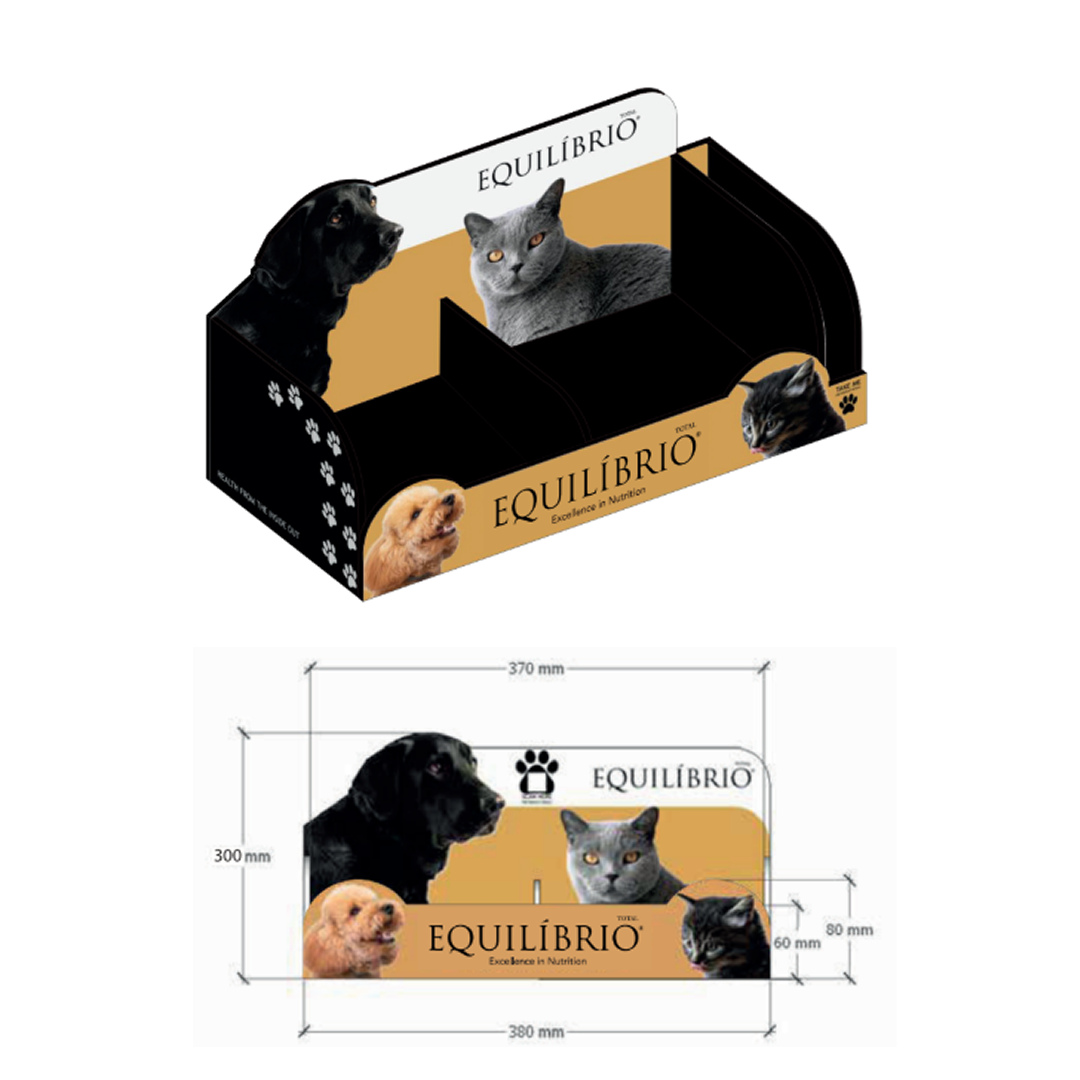
Research shows 73% of customers more likely to return to well-merchandised stores [1] while consistent visual presentation strengthens brand recognition and loyalty driving measurable business outcomes [1]. Strategic visual merchandising can increase impulse purchases by 20% and compelling displays boost foot traffic by 23% [1], demonstrating that systematic approach to visual brand consistency directly impacts revenue, customer retention, and competitive positioning in crowded retail markets.
Indonesian small retailers face unique challenges where consumers becoming more experimental and selective toward brands [2] while 65% of shoppers prioritize eco-conscious brands and 72% consider environmental responsibility when making purchases [1]. Without clear brand guidelines ensuring consistent visual merchandising across all touchpoints from window displays to in-store fixtures, retailers risk appearing disorganized or unprofessional losing customer trust and failing to build memorable brand identities that drive repeat business and word-of-mouth recommendations critical for sustainable growth in competitive markets.
Understanding Brand Guidelines for Visual Merchandising
Defining Visual Merchandising Brand Guidelines—Brand guidelines for visual merchandising are comprehensive rulebook documenting exactly how retail brand should look, feel, and be presented across every customer touchpoint from storefront windows to checkout displays [3]. These guidelines ensure everyone from store staff to external vendors presents brand consistently creating cohesive shopping experience reinforcing brand identity rather than scattered disconnected impressions confusing customers [4]. Guidelines go beyond basic logo usage encompassing color palettes, typography, fixture styles, lighting standards, signage formats, prop selections, and seasonal display themes all working together creating recognizable brand atmosphere [5]. According to Canva research, 89% of marketers agree that consistency earns customer loyalty [6] while brand consistency can raise brand equity, grow brand loyalty, and increase sales [7], validating systematic approach to visual standards as business necessity rather than aesthetic preference.
Why Indonesian Retailers Need Brand Guidelines—Small Indonesian retailers often lack formal guidelines relying instead on individual judgment leading to inconsistent presentations across locations, seasons, or staff changes undermining brand building efforts [8]. When retail sales growing 7.4% year-on-year with consumers spending IDR 256 trillion quarterly [9], professional consistent brand presentation becomes competitive differentiator separating thriving businesses from struggling ones in market where 74% of consumers actively curtail non-essential spending [10]. Brand guidelines provide framework allowing small retailers to compete professionally against larger chains by ensuring every display, window, and fixture communicates same brand message building cumulative recognition over time [7]. For Indonesian retailers operating multiple locations or planning expansion, guidelines ensure new stores or staff maintain brand standards without requiring constant direct supervision enabling scalable growth while preserving brand integrity essential for long-term success.
Business Impact of Visual Consistency—Research demonstrates 8 out of 10 shoppers base buying decisions on what they see in-store [1] making visual consistency critical factor in purchase conversion and basket size optimization [11]. When customers encounter inconsistent visual presentations across visits or locations, they experience cognitive dissonance questioning brand reliability and professionalism potentially choosing competitors offering more coherent shopping experiences [6]. Conversely, brands maintaining strong visual consistency across all touchpoints build recognition enabling customers to identify brand instantly from distance, feel confident in quality expectations, develop emotional connections through familiar aesthetics, and become brand advocates sharing positive experiences [7]. With 73% of consumers willing to pay more for sustainable products [12] and Indonesian consumers increasingly selective about brand choices [2], visual merchandising guidelines communicating brand values, sustainability commitments, and quality standards through consistent presentation become essential tools for capturing premium market segments and building customer loyalty.
Core Elements of Visual Merchandising Guidelines
Color Palette Standards—Define primary brand colors with exact specifications including hex codes for digital use, RGB values for screens, CMYK codes for printing, and Pantone numbers for physical materials ensuring color consistency across all media [13]. Most effective brand color palettes include 2-4 primary colors representing main brand identity plus 2-3 secondary or accent colors for variety without chaos [14]. For Indonesian retailers, consider cultural color associations where red and gold signify prosperity particularly during Chinese New Year, green represents halal and Islamic values important for majority Muslim market, and white carries different meanings depending on context [15]. Document how colors should be applied across different visual merchandising elements specifying primary color for main signage and fixtures, secondary colors for accent pieces and promotional displays, neutral tones for backgrounds allowing products to stand out, and seasonal color variations for cultural celebrations maintaining brand recognition while acknowledging important shopping periods [13]. Include visual examples showing correct color applications on mannequins, wall displays, window graphics, and floor fixtures helping staff and partners understand practical implementation rather than abstract color theory.
Typography and Signage Systems—Establish clear typography hierarchy defining fonts for different purposes including primary typeface for brand name and major headings, secondary font for body text and product descriptions, pricing font for tags and promotional signage, and fallback options when primary fonts unavailable [16]. Specify font sizes for different signage types such as window displays visible from 3-5 meters distance, departmental headers readable from across store, product information legible from 1 meter, and pricing clearly visible at point of decision [5]. For Indonesian market, ensure typography works for both Bahasa Indonesia and English text considering character spacing, diacritical marks, and text length variations between languages [17]. Document signage design templates including color backgrounds, text placement, logo positioning, and information hierarchy preventing staff from creating inconsistent makeshift signs undermining brand professionalism [4]. Include examples of approved signage for common retail needs like promotional banners, price tags, category markers, and seasonal campaign materials providing ready-to-use templates requiring only content updates maintaining visual consistency across all communications [18].
Fixture and Display Standards—Define approved fixture types, materials, and finishes creating cohesive visual environment throughout store including shelving units, display tables, mannequin styles, hanging racks, and promotional displays [1]. Specify finish standards such as wood types and stains, metal colors and textures, glass or acrylic specifications, and paint colors matching brand palette ensuring all physical elements work together harmoniously [5]. For Indonesian retailers considering tropical climate, document material requirements addressing humidity resistance, sun exposure durability, easy cleaning maintenance, and sustainable material preferences aligning with consumer values [1]. Establish modular display guidelines allowing flexibility for seasonal changes and promotional campaigns while maintaining recognizable brand aesthetic through consistent base elements, compatible proportions, and coordinated color schemes [19]. Include measurement specifications for fixture heights, spacing between displays, aisle widths, and product density preventing overcrowded messy presentations or sparse sparse empty looking spaces both undermining professional brand image [20]. Visual examples showing approved fixture arrangements for different product categories help staff understand three-dimensional spatial guidelines beyond flat design concepts.
Lighting Standards—Document lighting requirements creating consistent ambiance and product visibility across all locations including overall ambient lighting levels measured in lux, accent lighting for featured products and displays, color temperature specifications (warm 2700-3000K versus cool 4000-5000K), and energy efficiency requirements preferably LED systems reducing operational costs [21]. Specify how lighting should highlight merchandise without creating harsh shadows or glare, illuminate signage for easy reading at all times, create focal points drawing attention to promotional displays, and maintain comfortable shopping atmosphere preventing eye strain or fatigue [1]. For Indonesian retailers, consider natural light variations throughout day and seasonal weather patterns affecting interior lighting needs requiring adjustable systems maintaining consistent presentation regardless of external conditions [22]. Include guidelines for special lighting effects during cultural celebrations or promotional events ensuring festive atmosphere maintains brand identity rather than generic holiday decoration appearing disconnected from core brand values [23]. Document prohibited lighting practices such as flickering fluorescents creating unprofessional atmosphere, overly bright harsh lighting causing customer discomfort, insufficient illumination making products difficult to evaluate, and mixed color temperatures creating visual confusion undermining brand coherence.
Creating Seasonal and Cultural Guidelines
Adapting for Indonesian Cultural Calendar—Develop specific guidelines for major Indonesian shopping seasons including Ramadan and Lebaran (massive consumption spike requiring themed displays emphasizing gifting, family, and celebration), Chinese New Year (red and gold prosperity themes for Chinese-Indonesian communities in major cities), Independence Day August 17 (patriotic themes incorporating red and white national colors), year-end holidays (festive celebration themes appealing to diverse religious backgrounds), and Harbolnas (Indonesia’s biggest online-offline shopping festival requiring promotional intensity) [24]. Specify how seasonal themes integrate with core brand identity through approved color variations maintaining recognizable palette, branded props and decorations reinforcing rather than overshadowing products, cultural sensitivity guidelines preventing inappropriate or offensive displays, and transition periods between seasons allowing gradual updates rather than abrupt changes [1]. For each major season, provide visual examples, prop suggestions, color palette variations, signage templates, and product grouping strategies enabling staff to execute seasonal updates confidently maintaining brand standards [25].
Seasonal Display Templates—Create ready-to-implement seasonal display templates showing floor plan arrangements for different store sizes, window display concepts adaptable to various storefronts, fixture groupings for seasonal product categories, signage designs with cultural appropriate messaging, and lighting adjustments creating seasonal atmosphere [26]. Include budget guidelines for seasonal updates specifying investment priorities for different seasons allowing small retailers to plan expenses strategically focusing resources on highest-traffic periods [1]. Document which brand elements remain constant across seasons (core colors, logo usage, fixture styles, basic lighting) and which elements can flex for seasonal relevance (accent colors, props, promotional signage, special displays) providing clear boundaries preventing seasonal creativity from undermining core brand identity [27]. For Indonesian small retailers with limited budgets, include cost-effective seasonal update strategies such as fabric overlays changing fixture colors, printed banners adding seasonal messaging, simple prop additions creating cultural relevance, and strategic lighting changes creating festive atmosphere without requiring complete display overhauls [28].
Cultural Sensitivity Standards—Document guidelines ensuring seasonal and promotional displays respect Indonesia’s cultural diversity including appropriate use of religious symbols and imagery, sensitivity to different faith traditions during religious holidays, inclusive messaging avoiding assumptions about customer backgrounds, and local regional variation guidelines for retailers operating in culturally distinct areas [29]. Specify prohibited practices such as religious imagery used purely decoratively without understanding, cultural symbols used incorrectly or disrespectfully, exclusive messaging assuming all customers celebrate certain holidays, and stereotypical representations of cultural groups undermining brand values of inclusivity [30]. Include positive examples showing how to celebrate diversity through multi-cultural seasonal displays, inclusive promotional messaging, respectful cultural symbol usage, and regional customization honoring local traditions while maintaining national brand consistency [31]. For Indonesian retailers, these guidelines particularly important given country’s rich cultural tapestry where Jakarta’s cosmopolitan diversity differs dramatically from regional cultural expressions requiring flexible yet principled approach to visual merchandising ensuring brand resonates authentically across diverse customer bases.
Implementation and Compliance
Staff Training Programs—Develop comprehensive training ensuring all staff understand brand guidelines and can implement them consistently including visual merchandising principles explaining why guidelines matter, hands-on workshops practicing proper display techniques, before-and-after examples showing impact of guideline compliance, seasonal update training preparing for cultural campaign execution, and troubleshooting sessions addressing common implementation challenges [32]. Create visual training materials using photographs rather than text-heavy documents making guidelines accessible to staff with varying literacy levels and learning styles [4]. For Indonesian retailers with high staff turnover common in retail sector, establish quick-reference guides and checklist systems enabling new employees to execute brand-compliant displays quickly without extensive training reducing onboarding time while maintaining standards [33]. Include certification or evaluation systems ensuring staff demonstrate competency in guideline application before taking independent responsibility for displays preventing well-intentioned but off-brand presentations undermining carefully developed brand identity [34].
Audit and Quality Control—Establish regular audit schedules ensuring ongoing guideline compliance through weekly manager reviews checking display standards, monthly comprehensive audits evaluating all brand touchpoints, seasonal pre-launch inspections before major campaign periods, and customer feedback monitoring identifying any brand perception gaps [35]. Create standardized audit checklists covering color palette usage across displays, typography consistency on all signage, fixture arrangement and cleanliness, lighting quality and functionality, seasonal theme appropriate execution, and overall brand atmosphere assessment [1]. Document corrective action procedures when audits identify non-compliance including immediate fixes for critical violations, scheduled corrections for minor issues, root cause analysis preventing recurring problems, and staff retraining when knowledge gaps identified [36]. For multi-location retailers, implement photo-based remote auditing allowing headquarters to review store presentations without constant site visits using smartphone photos submitted by store managers providing visual evidence of compliance or identifying areas needing support [37].
Updating Guidelines as Brand Evolves—Establish clear processes for guideline updates ensuring they remain relevant as brand evolves including annual comprehensive reviews assessing guideline effectiveness, quarterly minor updates addressing practical implementation issues, major revision cycles every 3-5 years reflecting significant brand evolution, and emergency updates when market conditions require rapid brand positioning adjustments [38]. Create version control systems tracking guideline changes over time, archiving superseded versions for reference, communicating updates clearly to all stakeholders, and ensuring transition periods allowing orderly implementation preventing confusion during change periods [4]. Include stakeholder input processes gathering feedback from store staff facing daily implementation realities, customers experiencing brand presentations, managers balancing brand consistency with operational efficiency, and external partners working with brand elements ensuring guidelines remain practical and achievable rather than theoretical ideals impossible to execute in real retail environments [39].
Partner with MD Asia for Visual Merchandising Guidelines
Developing comprehensive brand guidelines for visual merchandising requires expertise in brand strategy, visual design, retail operations, cultural sensitivity, and implementation systems—capabilities Indonesian small retailers lack while managing daily business demands requiring immediate attention.
MD Asia understands unique challenges facing Indonesian retailers where 73% of customers return to well-merchandised stores [1] yet small businesses struggle creating systematic visual standards ensuring consistency. As integrated marketing company delivering end-to-end solutions across digital, creative, and offline advertising production, we help retailers develop brand guidelines that define clear visual identity standards appropriate for Indonesian market, create seasonal templates for cultural celebrations maximizing relevance, develop staff training programs ensuring proper implementation, establish audit systems maintaining ongoing compliance, and provide flexible frameworks allowing brand evolution without losing core identity.
Whether you need complete brand guidelines created from scratch defining all visual merchandising elements, seasonal campaign guidelines for Ramadan, Chinese New Year, and major shopping periods, staff training programs and implementation support ensuring proper guideline execution, audit systems and quality control processes maintaining brand consistency, or guideline updates modernizing existing standards reflecting brand evolution, MD Asia provides expertise transforming scattered visual presentations into cohesive brand experiences. We work with retailers of all sizes understanding small businesses need practical cost-effective solutions delivering measurable impact on customer perception and business performance.
Ready to build consistent recognizable brand through systematic visual merchandising? Contact MD Asia today to discover how comprehensive brand guidelines can increase customer return visits 73% through consistent well-merchandised presentations [1], boost impulse purchases 20% with strategic display standards [1], strengthen brand recognition and loyalty through visual consistency, differentiate from competitors through professional cohesive presentations, and future-proof retail business with scalable standards supporting growth. Let us help you create visual merchandising guidelines transforming inconsistent displays into powerful brand-building tools driving customer loyalty and sales growth in Indonesia’s competitive retail market.
Conclusion
In retail environment where visual presentation influences 80% of purchase decisions [1], brand consistency builds customer loyalty for 89% of marketers [6], and well-executed visual merchandising increases impulse purchases 20% [1], comprehensive brand guidelines represent essential foundation for sustainable retail success rather than optional luxury as customer expectations evolve toward professional polished shopping experiences making systematic visual standards competitive necessity.
The evidence demands attention: 73% higher return rates for well-merchandised stores [1], 23% foot traffic increase from compelling displays [1], and strong brand consistency raising equity, loyalty, and sales [7]. For Indonesian retailers, guideline effectiveness depends on: clear color palette standards with cultural considerations, comprehensive typography and signage systems, detailed fixture and display specifications, specific lighting standards creating consistent atmosphere, seasonal templates honoring Indonesian cultural calendar, staff training ensuring proper implementation, and regular audits maintaining ongoing compliance. Success comes from understanding brand guidelines as living operational documents rather than static design manuals, creating practical achievable standards staff can execute confidently, balancing consistency with flexibility for seasonal cultural relevance, investing in training ensuring everyone understands why guidelines matter, and measuring impact proving guidelines drive tangible business results.
Indonesia’s opportunities—growing retail market with 7.4% year-on-year growth [9], consumers becoming selective about brands [2], 65% prioritizing eco-conscious brands [1], and rich cultural calendar driving seasonal shopping [24]—create ideal conditions for strategic visual merchandising when supported by comprehensive brand guidelines ensuring consistency. Start with honest assessment of current visual presentation inconsistencies, define core brand elements requiring absolute consistency, create practical templates staff can implement easily, invest in training ensuring proper guideline understanding, and measure results proving guidelines improve customer experience and business performance. When executed thoughtfully, brand guidelines transform from bureaucratic constraint into strategic enabler creating recognizable professional brand presentations driving customer loyalty, positive word-of-mouth, and sustainable revenue growth in Indonesia’s competitive retail landscape where visual consistency increasingly determines success.
👉 Contact us today and start creating a store display that truly stands out.
References
[1] Channelplay. (2025, July 23). Visual Merchandising in Retail: 2025 Guide with Examples & Best Practices. Retrieved from https://www.channelplay.in/post/visual-merchandising
[2] NielsenIQ. (2025, June 12). NielsenIQ Indonesia Mid-Year Consumer Outlook Guide to 2025. Retrieved from https://nielseniq.com/global/en/insights/report/2024/nielseniq-indonesia-mid-year-consumer-outlook-guide-to-2025/
[3] Frontify. (2025, July 10). Brand Guidelines: How to Create, Share, and Maintain Brand Identity. Retrieved from https://www.frontify.com/en/guide/brand-guidelines
[4] Shopify. (n.d.). How To Achieve Brand Consistency for Your Business in 2024. Retrieved from https://www.shopify.com/blog/multichannel-branding
[5] Looka. (2024, November 13). 28 Brand Guidelines Examples to Inspire Your Brand Guide. Retrieved from https://looka.com/blog/15-brand-guidelines-examples-to-inspire-your-brand-guide/
[6] Canva. (2025, November 25). Brand consistency guide [2025]: Align design, voice, and teams. Retrieved from https://www.canva.com/resources/brand-consistency/
[7] Shopify. (n.d.). How To Achieve Brand Consistency for Your Business. Retrieved from https://www.shopify.com/blog/multichannel-branding
[8] Good Beginnings Design Studio. (2025, April 8). What are the Visual Merchandising Trends for 2025? Retrieved from https://www.goodbeginningsdesignstudio.com/blog/visual-merchandising-trends/visual-merchandising/
[9] NielsenIQ. (2025, July 11). Retail Spend Barometer Indonesia. Retrieved from https://nielseniq.com/global/en/landing-page/retail-spend-barometer-indonesia/
[10] LinkedIn. (2023, December 7). Prediction of Indonesian Consumer Behavior 2024. Retrieved from https://www.linkedin.com/pulse/prediction-indonesia-consumer-behavior-2024-bagus-prabowo-aji-9wqtc
[11] The Look Company. (n.d.). Visual Merchandising in 2024: Navigating the New Wave of Retail. Retrieved from https://thelookcompany.com/blog/visual-merchandising-in-2024-navigating-the-new-wave-of-retail
[12] Channelplay. (2025, July 23). Complete Guide to Visual Merchandising Trends 2025. Retrieved from https://www.channelplay.in/insight/top-trends-of-visual-merchandising-in-2025
[13] Venngage. (2025, September 17). How To Create Brand Style Guidelines in 2025. Retrieved from https://venngage.com/blog/brand-style-guide/
[14] Oberlo. (n.d.). 15 Great Examples of Brand Guidelines (2025). Retrieved from https://www.oberlo.com/blog/brand-guidelines
[15] Top Merchandising. (2024, December 30). Visual Merchandising Trends for 2025. Retrieved from https://www.topmerchandising.net/post/visual-merchandising-trends-for-2025-innovations-shaping-the-retail-landscape
[16] Frontify. (2025, October 13). 19 brand guidelines that brand experts love. Retrieved from https://www.frontify.com/en/guide/brand-guidelines-examples
[17] Standard Insights. (2025, October 14). Consumer Report Indonesia 2024. Retrieved from https://standard-insights.com/consumer-report-indonesia-2024/
[18] Prefixbox. (2024, August 30). What Is Visual Merchandising in Retail? 7 Tips for 2025 Growth. Retrieved from https://www.prefixbox.com/blog/what-is-visual-merchandising-in-retail-7-tips-for-2025-growth/
[19] Good Beginnings Design Studio. (2025, April 8). Visual Merchandising Trends – Modular Displays. Retrieved from https://www.goodbeginningsdesignstudio.com/blog/visual-merchandising-trends/visual-merchandising/
[20] Creoate. (n.d.). 20 Visual Merchandising Tips & Best Practices for 2025. Retrieved from https://www.creoate.com/blog/retail-merchandising-tips
[21] Good Beginnings Design Studio. (2025, April 8). Visual Merchandising Trends – Lighting. Retrieved from https://www.goodbeginningsdesignstudio.com/blog/visual-merchandising-trends/visual-merchandising/
[22] Cimigo. (2025, February 28). Indonesia Consumer Trends 2024. Retrieved from https://www.cimigo.com/en/trends/indonesia-consumer-trends-2024/
[23] Medium. (2024, July 12). Visual Merchandising Trends Defining The 2024 Holiday Season. Retrieved from https://medium.com/@yeniahf/top-5-visual-merchandising-trends-defining-the-2024-holiday-season-4cc3edcb3956
[24] Channelplay. (2025, July 23). Visual Merchandising in Retail Guide. Retrieved from https://www.channelplay.in/post/visual-merchandising
[25] IWD Magazine. (n.d.). Top 5 Visual Merchandising Trends Defining The 2024 Holiday Season. Retrieved from https://magazine.iwd.io/trends-2024-holiday-season
[26] The Look Company. (n.d.). Visual Merchandising in 2024 Navigating Trends. Retrieved from https://thelookcompany.com/blog/visual-merchandising-in-2024-navigating-the-new-wave-of-retail
[27] Top Merchandising. (2024, December 30). Visual Merchandising Trends for 2025 Innovations. Retrieved from https://www.topmerchandising.net/post/visual-merchandising-trends-for-2025-innovations-shaping-the-retail-landscape
[28] Prefixbox. (2024, August 30). Visual Merchandising in Retail 7 Tips. Retrieved from https://www.prefixbox.com/blog/what-is-visual-merchandising-in-retail-7-tips-for-2025-growth/
[29] Statista. (n.d.). Consumer shopping behavior in Indonesia. Retrieved from https://www.statista.com/topics/7906/consumer-shopping-behavior-in-indonesia/
[30] Kadence. (2024, November 18). Indonesia Market Research: Key Consumer Trends. Retrieved from https://kadence.com/indonesia-market-research-key-consumer-trends-you-must-know/
[31] TGM Research. (2024, June 6). The Rise of Online Grocery Shopping in Indonesia. Retrieved from https://tgmresearch.com/tgm-the-rise-of-online-grocery-market-indonesia.html
[32] Channelplay. (2025, July 23). Visual Merchandising Guide Implementation. Retrieved from https://www.channelplay.in/post/visual-merchandising
[33] Mordor Intelligence. (2018, February 21). Indonesia Retail Market Report. Retrieved from https://www.mordorintelligence.com/industry-reports/indonesian-retail-industry
[34] Channelplay. (2025, July 23). Complete Guide to Visual Merchandising Trends 2025 Implementation. Retrieved from https://www.channelplay.in/insight/top-trends-of-visual-merchandising-in-2025
[35] Frontify. (2025, July 10). Brand Guidelines Maintenance. Retrieved from https://www.frontify.com/en/guide/brand-guidelines
[36] BrandsThatPunch. (n.d.). Brand Standards. Retrieved from https://brandsthatpunch.com/blogs/brand-standards
[37] Standards. (n.d.). Build stunning brand guidelines online. Retrieved from https://standards.site/
[38] Frontify. (2025, July 10). Brand Guidelines Update Process. Retrieved from https://www.frontify.com/en/guide/brand-guidelines
[39] Canva. (2025, November 25). Brand consistency guide – Teams Alignment. Retrieved from https://www.canva.com/resources/brand-consistency/