
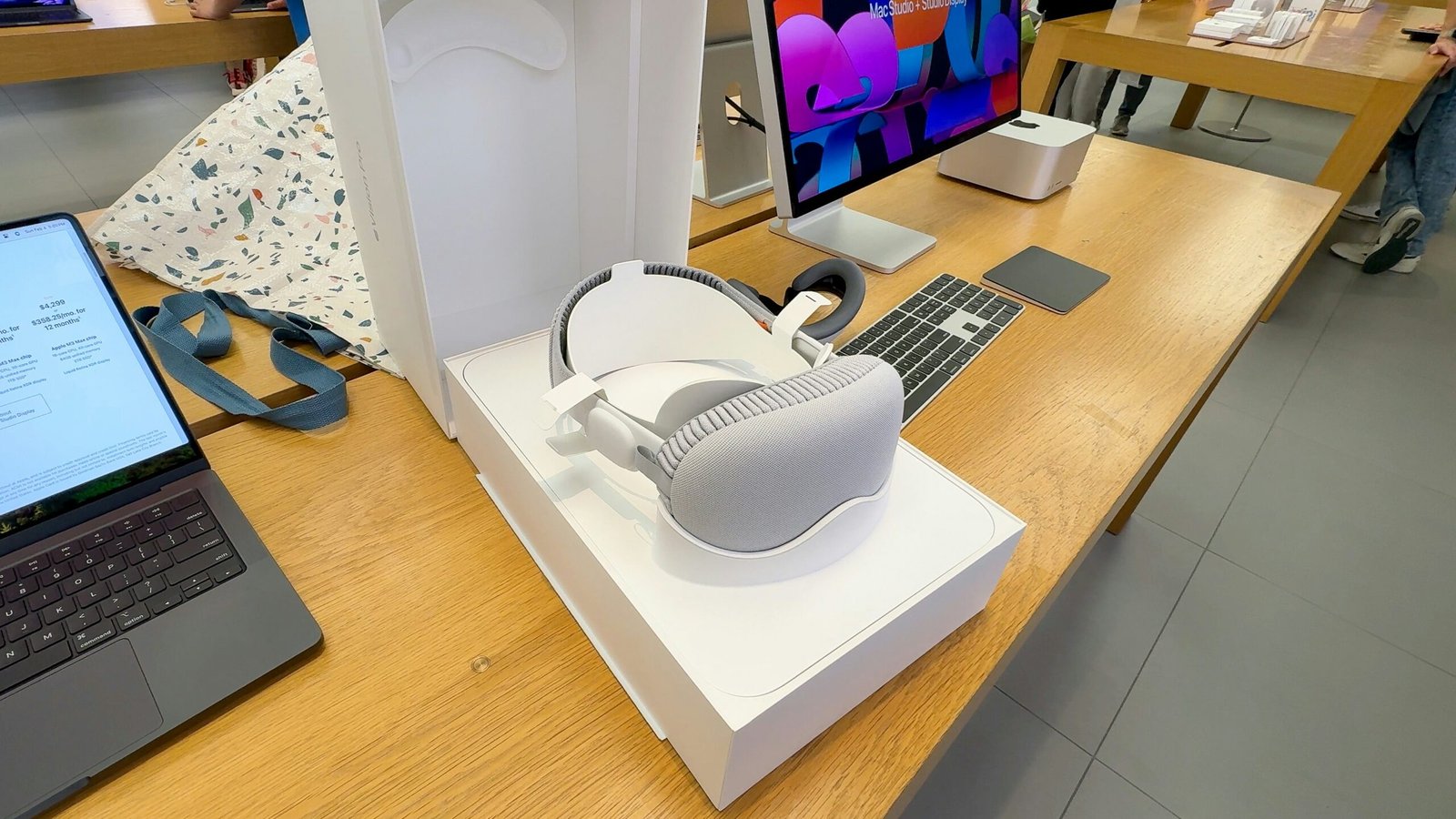
Global AR/VR market projected to reach USD 75.9 billion by 2030 growing at 10.27% CAGR [1] with 80% of retailers deploying AR as part of customer experience strategy by 2025 [2] demonstrates transformative technology revolutionizing shopping experiences worldwide. Retailers utilizing AR/VR report 25% reduction in product returns and 20% increase in conversion rates while 40% of consumers willing to pay more for AR experiences [3]. Over 90% of American shoppers already use AR or open to using it for shopping with 98% finding AR helpful in making purchase decisions [2], validating technology’s practical value beyond novelty appeal creating measurable business impact through enhanced customer engagement and reduced friction in purchase journey particularly critical for furniture, fashion, beauty, and home décor categories where visualization before purchase drives confidence.
Indonesian retail market growing from USD 175.11 billion in 2024 toward USD 278.29 billion by 2030 presents substantial opportunity for AR/VR adoption especially as 87.2% of online retail orders occur via mobile screens enabling smartphone-based AR experiences without requiring expensive headsets making technology accessible to mass market. With 220 million internet users and rising smartphone penetration, Indonesian retailers can leverage AR/VR creating differentiated shopping experiences attracting tech-savvy younger consumers while addressing practical concerns like product visualization in limited retail spaces, reducing returns from online purchases, and bridging online-offline shopping gaps critical for omnichannel success. Understanding AR/VR applications, implementation approaches, and proven ROI helps Indonesian retailers make informed technology investments delivering competitive advantages.
Understanding AR and VR Technologies
Defining Augmented and Virtual Reality—Augmented Reality (AR) allows users to overlay digital content onto real world enhancing their environment and providing interactive experiences [1]. AR can be experienced through smartphones, tablets, or AR glasses enabling customers to visualize products in their actual spaces before purchasing [4]. Virtual Reality (VR) creates completely virtual environment users can explore and interact with, typically requiring VR headsets for fully immersive experiences [1]. While VR provides complete immersion into digital worlds, AR enhances real-world environments with digital overlays making it more practical for everyday retail applications accessible through devices consumers already own [4]. Global AR market estimated at USD 83.65 billion in 2024 growing to USD 599.59 billion by 2030 at 37.9% CAGR driven by technological advancements in hardware and software [5]. AR product experiences deliver 200% more engagement providing double interactivity levels compared to non-AR equivalents [6], demonstrating technology’s capacity to transform passive browsing into active product exploration driving purchase confidence.
Key Differences and Retail Applications—VR fully immersive requiring headsets largely impractical for retail due to extensive hardware requirements, while AR accessible from smartphones majority of shoppers already own positioning it to become far more ubiquitous [6]. AR enables virtual product viewing when shopping online through features like virtual try-on for apparel and cosmetics, furniture placement visualization in customer spaces, 3D product visualization from multiple angles, interactive product information overlays, and virtual showrooms accessible from anywhere [3]. VR applications include immersive store tours for customers unable to visit physically, virtual shopping experiences replicating in-store browsing, product demonstrations in simulated environments, and store layout planning for retailers visualizing designs before physical implementation [7]. By end of 2024, estimated 1.73 billion AR user devices worldwide with smartphones being primary conduit for AR product experiences [6]. Indonesian retailers should prioritize smartphone-based AR given high mobile usage (87.2% of online orders) enabling immediate implementation without requiring customers to purchase specialized hardware creating lower adoption barriers and faster return on investment.
Proven Business Impact and ROI
Measurable Performance Improvements—Retailers utilizing AR/VR report 25% reduction in product returns and 20% increase in conversion rates [3]. Sephora’s Virtual Artist AR app recorded over 8.5 million try-ons in first year giving users confidence to purchase cosmetics online [2]. Macy’s discovered using VR/AR for furniture visualization in-store led to 60% larger average basket [2]. These concrete results demonstrate AR/VR’s return on investment converting skeptics into believers through measurable business outcomes [2]. IKEA Place app uses LiDAR to measure customer’s room and suggest furniture enabling consumers seeing furniture in their space in real-time resulting in decreased product returns and logistics costs [6]. AR/VR adoption in retail expected to reach market value of USD 7.95 billion by 2025 with retailers implementing technology experiencing significant benefits in customer engagement and sales growth [3]. Virtual showrooms achieve higher basket sizes compared to traditional e-commerce while reduced return rates through AR try-on experiences improve profitability margins [8].
Consumer Adoption and Preferences—Over 90% of American shoppers already use AR or open to using it for shopping [2]. Among those who have tried AR, 98% found it helpful in making purchase decisions [2]. Younger consumers leading the way with 92% of Gen Z saying they want to use AR tools for e-commerce [2]. By 2025, around one-third of shoppers in United States will have used AR-powered technologies when buying products online [9]. In Japan, 66% of consumers want offline stores to offer AR experiences with AR integrated into in-store shopping experience since 2009 [6]. Three in 10 customers want virtual dressing rooms instead of going to store for clothes [10]. More than 85% of engaged consumers in AR/VR technologies also participate in social shopping with Gen Z and Millennials being most enthusiastic adopters [11]. Indonesian retailers targeting younger demographics should prioritize AR implementation as technology aligns with preferences of digital-native consumers who expect interactive experiences and seamless omnichannel shopping representing growing market segment with increasing purchasing power.
Retail Applications and Use Cases
Fashion and Apparel Virtual Try-On—Virtual try-on technology enables customers to see how clothing, accessories, and footwear look on them without physically trying items reducing hesitation in online purchasing [2]. AR mirrors allow customers to try on multiple outfits quickly without physical changing improving in-store experience efficiency [3]. 43% of U.S. smartphone shoppers in apparel now expect brands to offer AR try-on features [2]. Virtual dressing rooms address customer desire to avoid in-store fitting rooms while maintaining ability to visualize fit and appearance [10]. For Indonesian retailers, virtual try-on particularly valuable for: modest fashion segment where customers prefer privacy during shopping, online apparel sales where fit concerns prevent purchases, reducing return rates which are costly in Indonesia’s logistics environment, and attracting younger shoppers accustomed to social media filters and AR experiences on Instagram and TikTok platforms.
Furniture and Home Décor Visualization—Furniture placement tools allow customers to visualize how items fit in their actual living spaces using smartphone cameras to project 3D product models into real environments [2]. IKEA Place app exemplifies successful implementation enabling customers to measure rooms and see furniture in real-time in their spaces [6]. This application addresses major purchase barriers: uncertainty about size and fit in available space, color matching with existing décor, and style compatibility with current furnishings [4]. Macy’s 60% larger average basket when using VR/AR for furniture visualization demonstrates technology’s revenue impact [2]. Indonesian retailers can leverage furniture AR for: apartment dwellers in Jakarta, Surabaya, and Bandung working with limited space, e-commerce expansion where customers hesitant to buy furniture unseen, reducing costly returns and exchanges, and creating differentiated shopping experiences competing with international platforms like IKEA and local competitors.
Beauty and Cosmetics Virtual Makeup—Sephora’s Virtual Artist with 8.5 million try-ons in first year proves virtual makeup application drives online cosmetics purchases [2]. Beauty AR enables customers testing multiple products quickly without physical application, trying bold colors or looks they might hesitate to test in-store, receiving personalized product recommendations based on skin tone and preferences, and shopping for cosmetics from home with confidence in color selection [3]. Social media AR filters on Instagram, TikTok, and Snapchat already familiarized Indonesian consumers with virtual makeup making beauty AR natural extension of existing behaviors [2]. With over 300 million Snapchat users engaging with AR every day and over 70% of Snapchatters using AR features on first day of download [2], beauty brands can leverage established AR adoption creating branded filters driving awareness and purchases. Indonesian beauty retailers should implement AR try-on for: halal cosmetics market where product trial important but hygiene concerns prevent shared testers, online beauty sales growing rapidly in Indonesia, influencer marketing integration where consumers try looks from beauty content creators, and personalization enabling recommendations for Indonesian skin tones often underrepresented in international beauty apps.
Implementation Strategies for Indonesian Retailers
Starting with Smartphone-Based AR—Begin with mobile-first AR accessible through smartphones avoiding expensive hardware requirements [4]. WebAR operates in mobile browser requiring no app downloads reducing customer friction for first-time users [2]. Many pre-packaged AR solutions allow using templates creating experiences without extensive technical expertise [10]. Start with self-contained high-impact experience like clothing try-on or furniture placement for specific product category before expanding [10]. Indonesian retailers should leverage: existing customer smartphone ownership (widespread in Indonesia), social media AR filters as low-cost entry point for brand awareness, e-commerce platform integrations where Tokopedia and Shopee support AR features, and QR codes in physical stores directing customers to AR experiences bridging offline-online shopping.
Choosing Right Technology Partners—Research technology vendors offering prepackaged solutions easily integrating with existing websites and apps [10]. Look for AR platforms with: template-based creation enabling non-technical implementation, mobile optimization ensuring smooth performance on mid-range Android devices common in Indonesia, Indonesian language support for local customer accessibility, integration capabilities with Shopify, WooCommerce, Tokopedia, and Shopee platforms, and measurement tools tracking AR usage and conversion impact proving ROI [10]. Consider partnering with local technology providers understanding Indonesian market nuances, network conditions, and consumer preferences rather than relying solely on international platforms requiring extensive customization for local context.
Measuring Success and Scaling—Track AR engagement metrics including: number of AR sessions initiated indicating customer interest, time spent in AR experiences showing engagement depth, conversion rates for AR users versus non-AR users demonstrating business impact, return rates comparing AR-assisted purchases to traditional purchases, and customer satisfaction scores gathering feedback on AR experience quality [3]. Set realistic goals starting with 5-10% of target customers using AR features within first 6 months, 15-20% conversion rate improvement for AR users versus baseline, and 10-15% reduction in returns for AR-assisted purchases [3]. Scale successfully by: documenting what works and doesn’t through pilot programs, expanding to additional product categories based on pilot results, investing in staff training educating teams on promoting AR features, and integrating AR into marketing campaigns including social media, email, and in-store promotions driving awareness and adoption.
Partner with MD Asia for AR/VR Retail Implementation
Implementing AR/VR retail solutions requires expertise in technology selection, customer experience design, integration with existing systems, content creation, and performance measurement—capabilities Indonesian retailers lack while managing operations, inventory, and customer service.
MD Asia understands unique challenges facing Indonesian retailers where AR/VR delivers 25% return reduction and 20% conversion increase [3] yet small businesses lack technical resources for implementation. As integrated marketing company delivering end-to-end solutions across digital, creative, and offline advertising production, we help retailers develop AR/VR strategies that select appropriate technology platforms matching business needs and budgets, create compelling AR experiences through 3D modeling and interactive design, integrate AR features with existing e-commerce platforms and mobile apps, develop marketing campaigns driving customer awareness and AR adoption, and measure performance proving ROI through analytics and reporting.
Whether you need AR strategy consultation identifying highest-value use cases, technology partner selection and vendor management, 3D content creation for product visualization, AR campaign development and execution, or performance tracking and optimization, MD Asia provides expertise transforming AR/VR from buzzword into business advantage. We work with retailers of all sizes understanding small businesses need practical cost-effective solutions.
Ready to transform shopping experiences through AR/VR technology? Contact MD Asia today to discover how AR implementation can reduce product returns 25% through visualization confidence, increase conversion rates 20% with interactive experiences, attract younger consumers expecting digital innovation, differentiate from competitors through immersive shopping, and future-proof retail business for evolving customer expectations. Let us help you leverage AR/VR creating competitive advantage positioning your business for sustained success in Indonesia’s dynamic digital-first retail market.
Conclusion
In retail environment where global AR/VR market reaches USD 75.9 billion by 2030 [1], 80% of retailers deploy AR by 2025 [2], and AR users report 98% finding technology helpful for purchase decisions [2], AR/VR represents essential competitive advantage for forward-thinking retailers rather than optional experimental technology as consumer expectations evolve toward interactive immersive shopping experiences making traditional static product images insufficient for driving online conversion.
The evidence compels attention: 25% return reduction and 20% conversion increase [3], 8.5 million Sephora AR try-ons in first year [2], 60% larger Macy’s baskets with furniture AR [2], and 92% of Gen Z wanting AR e-commerce tools [2]. For Indonesian retailers, AR/VR profitability depends on: smartphone-first implementation leveraging existing customer devices, focus on high-impact categories like fashion, furniture, and beauty, integration with existing e-commerce platforms and social media, clear ROI measurement tracking conversions and returns, and gradual scaling starting with pilots before comprehensive rollout. Success comes from understanding customer pain points AR solves, selecting appropriate technology matching technical capabilities, creating quality AR content showcasing products accurately, marketing AR features driving awareness and trial, and measuring results proving technology investment delivers returns.
Indonesia’s opportunities—220 million internet users, 87.2% mobile shopping, tech-savvy younger demographics, growing e-commerce market, and increasing expectations for digital experiences—create ideal conditions for AR/VR success when approached strategically with realistic expectations and proper execution. Start with honest assessment of customer needs and pain points, select one product category for AR pilot, partner with experienced technology providers, measure everything rigorously, and scale successful implementations systematically. When executed thoughtfully, AR/VR transforms from futuristic concept into practical tool differentiating retailers in Indonesia’s competitive market where shopping experience quality increasingly determines customer choice and loyalty.
👉 Contact us today and start creating a store display that truly stands out.
References
[1] Statista. (n.d.). AR & VR – Worldwide Market Forecast. Retrieved from https://www.statista.com/outlook/amo/ar-vr/worldwide/
[2] BrandXR. (2025, September 16). 2025 Augmented Reality in Retail & E-Commerce Research Report. Retrieved from https://www.brandxr.io/2025-augmented-reality-in-retail-e-commerce-research-report
[3] ResearchGate. (2024, October 2). Exploring the Impact of AR and VR on Enhancing Customer Experiences. Retrieved from https://www.researchgate.net/publication/384558772_EXPLORING_THE_IMPACT_OF_AR_AND_VR_ON_ENHANCING_CUSTOMER_EXPERIENCES_AND_DRIVING_SALES_IN_RETAIL
[4] Straits Research. (n.d.). Virtual Reality in Retail Market 2024. Retrieved from https://straitsresearch.com/report/virtual-reality-in-retail-market
[5] Grand View Research. (n.d.). Augmented Reality Market Size Report 2030. Retrieved from https://www.grandviewresearch.com/industry-analysis/augmented-reality-market
[6] Threekit. (2025, September 8). 27 Augmented Reality Statistics 2024. Retrieved from https://www.threekit.com/23-augmented-reality-statistics-you-should-know-in-2023
[7] Treeview. (n.d.). AR VR Industry Statistics Report 2025. Retrieved from https://treeview.studio/blog/ar-vr-mr-xr-metaverse-spatial-computing-industry-stats
[8] Statista. (n.d.). Forecast use of AR in online shopping 2025. Retrieved from https://www.statista.com/statistics/1270070/ar-use-forecast-in-buying-online/
[9] Imagine Resources. (n.d.). Augmented Reality Trends and Future Outlook 2025. Retrieved from https://resources.imagine.io/blog/2025-ar-trends
[10] Square. (2025, September 26). What is AR and VR Shopping? Retrieved from https://squareup.com/us/en/the-bottom-line/reaching-customers/ar-and-vr-shopping