
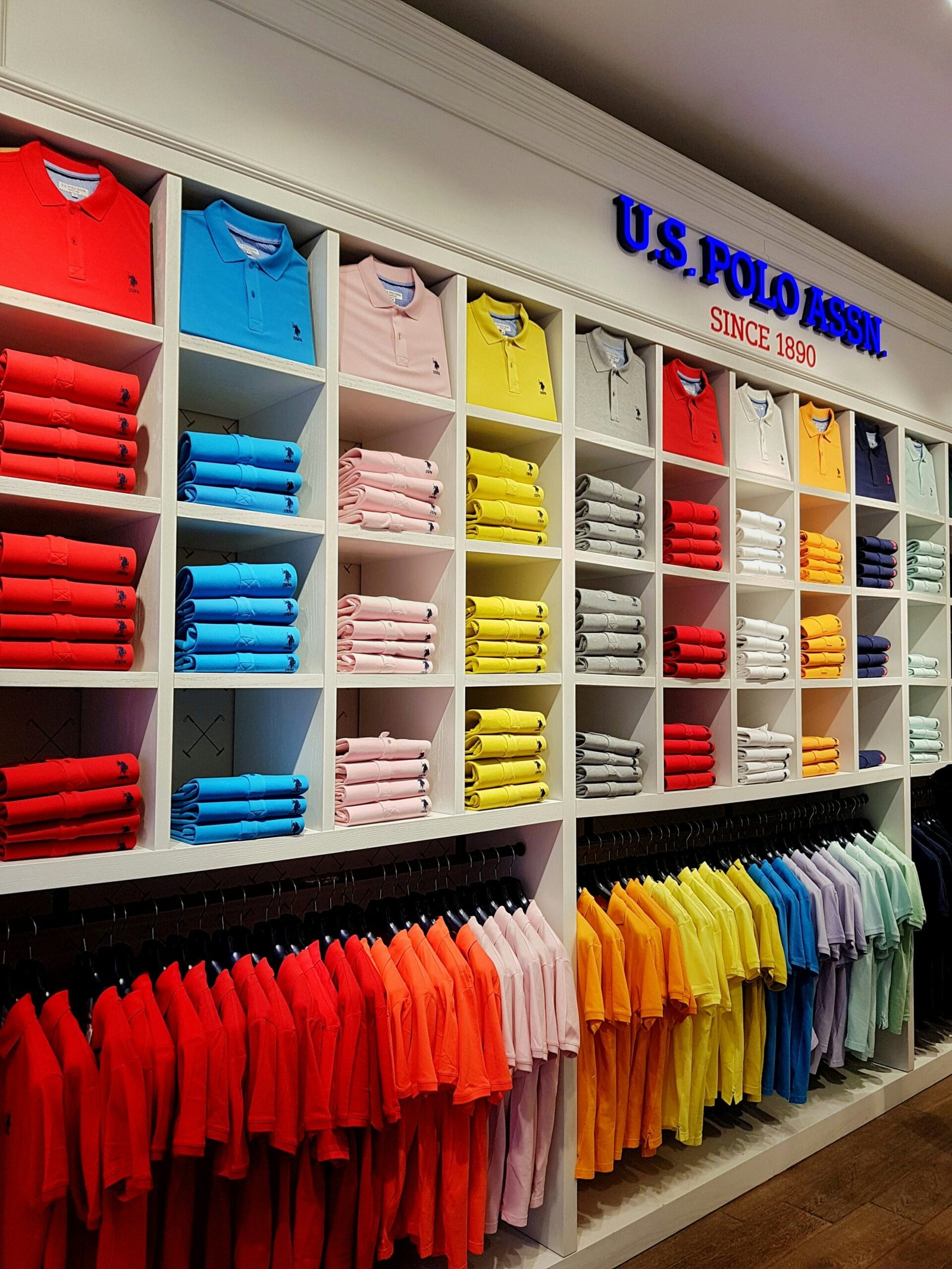
Indonesian retail market valued at USD 175.11 billion in 2024 growing to USD 278.29 billion by 2030 [1] with 30.18 million MSMEs registered [2] demonstrates tremendous opportunity for brand activation campaigns delivering measurable business impact. Successful brand activation programs in Indonesia achieve remarkable results: Lasegar Twist generated IDR 861+ million revenue from 135,034+ units sold, Emina Jakarta X Beauty reached thousands of visitors generating IDR 700+ million revenue, and Hershey’s Ramadan campaign across 4 cities produced IDR 419+ million sales from 8,300+ units [3]. These success stories prove strategic brand activation transforms product visibility into concrete revenue growth particularly critical for small retailers competing in markets where convenience stores hold 45.54% market share [4] requiring differentiation strategies beyond traditional advertising.
Brand activation creates direct consumer engagement experiences converting awareness into purchase behavior through experiential marketing, sampling, demonstrations, seasonal campaigns, and retail presence optimization. For Indonesian small retailers where 75% of population pre-determines product purchases demonstrating strong brand loyalty [5], effective activation programs build immediate customer relationships while establishing long-term brand preference. With Indonesian consumers increasingly using e-commerce where Tokopedia and Shopee dominate [6], integrated activation strategies combining physical retail presence with digital touchpoints maximize reach and conversion delivering higher ROI than standalone approaches. Understanding successful Indonesian brand activation case studies provides actionable frameworks small retailers can adapt creating competitive advantages in dynamic fast-growing markets.
Understanding Brand Activation in Indonesian Context
Brand activation encompasses strategies bringing brands to life through direct consumer interactions creating memorable experiences that drive immediate purchases while building lasting emotional connections with target audiences.
Defining Brand Activation Success—Brand activation creates tangible consumer experiences transforming passive awareness into active engagement and purchase behavior through events, demonstrations, sampling, seasonal campaigns, in-store promotions, and experiential marketing [7]. Successful activation programs deliver measurable outcomes: increased sales revenue, higher brand awareness scores, improved customer engagement metrics, expanded market penetration, and stronger brand loyalty indicators. In Indonesia where retail market grows at 4.7% CAGR with Food and Beverage holding 35.16% market share and Health, Beauty and Personal Care expanding at 12.8% CAGR [4], brand activation provides critical differentiation in competitive categories. Indonesian consumers exhibit strong brand loyalty with approximately 75% pre-determining product purchases and over 65% consistently shopping at same establishments for food and beverages [5], making initial brand impressions through activation campaigns particularly impactful for establishing long-term customer relationships and repeat purchase patterns.
Indonesian Market Dynamics—Indonesia’s retail sector remains significant power within Asia propelled by vast population and expanding middle class increasingly using greater purchasing power unveiling shifting consumption habits [1]. This demographic evolution has been fundamental in shaping retail landscape pushing move towards modern retail formats merging both digital and physical shopping experiences [1]. Despite challenges including fluctuating prices for necessities, Indonesian retail sector shows remarkable resilience [1]. Greater Jakarta captures 39.95% of retail market while Sulawesi exhibits fastest 10.5% CAGR indicating regional growth opportunities [4]. Bank Indonesia mandates universal QR acceptance with 15 million micro-merchants joining QRIS in 2024, while cash now accounts for 42.50% of transactions down from 50% two years earlier as E-Wallets advance at 19.2% CAGR [4]. Indonesian small retailers must navigate: strong local brand preferences, price-sensitive consumers seeking value, omnichannel shopping behaviors, cultural calendar influencing purchase timing (Ramadan, Chinese New Year, Independence Day), and increasing digital adoption particularly among young consumers where 87.2% of online retail orders occur via mobile screens [4].
Case Study 1: Beverage Brand Seasonal Activation
Lasegar Twist and Golden Sparkling Acaraki Push Selling Campaign—Lasegar Twist achieved remarkable success reaching sales of 135,034+ pieces with total revenue of IDR 861+ million from January 2024 to May 2025 [3]. Meanwhile Golden Sparkling Acaraki successfully sold 16,800+ pieces from November 2024 to April 2025 [3]. These beverage push selling programs demonstrate effectiveness of sustained multi-month activation campaigns in Indonesian retail environments. Campaign strategy focused on: strategic retail placement in high-traffic modern trade and traditional outlets, trained brand promoters conducting product demonstrations and sampling, point-of-sale materials creating visual impact at purchase locations, promotional pricing during initial trial periods encouraging first purchase, and consistent presence building brand familiarity through repeated consumer exposure. Success factors included understanding Indonesian beverage market preferences for flavored carbonated drinks, timing campaigns around seasonal consumption peaks, providing immediate trial opportunities reducing purchase barriers, and maintaining campaign consistency across 16-17 month periods allowing market penetration beyond early adopters. For Indonesian small beverage retailers, lessons include investing in trained staff capable of effective product presentation, creating sampling opportunities allowing taste testing before purchase, maintaining promotional consistency rather than sporadic campaigns, and tracking sales data proving ROI justifying continued activation investment.
Pocari Sweat Ramadan Campaign—Pocari Sweat ran campaign around hashtag #IONTahanBocor promoting sports drink as effective way to replenish lost electrolytes during Ramadan fasting period [8]. Separately, PT Amerta Indah Otsuka-owned label was title sponsor of 2024 Road to Pocari Sweat Run held March 3 in Indonesia’s North Maluku Island city of Ternate [8]. According to YouGov BrandIndex data, Pocari’s Ad Awareness score rose from low of 30.5% on February 27 to high of 38.5% by March 25—representing 8-point increase in awareness through targeted activation [8]. Campaign success stemmed from: cultural relevance aligning product benefits with Ramadan needs, experiential event creating brand association with health and activity, digital integration through social media hashtag encouraging consumer participation, regional reach extending beyond Jakarta to emerging markets like North Maluku, and timing precision launching before Ramadan maximizing campaign exposure during peak consumption period. This demonstrates Indonesian brand activation requires cultural sensitivity and calendar awareness—Ramadan represents massive consumption spike making pre-Ramadan positioning critical for beverages targeting health-conscious consumers seeking hydration solutions during fasting.
Case Study 2: Beauty and Personal Care Activations
Emina Jakarta X Beauty 2025 Event Activation—Emina activation at Jakarta X Beauty 2025 successfully reached thousands of visitors during 4-day event achieving revenue of IDR 700+ million [3]. Beauty event activations provide concentrated brand exposure to highly-targeted audiences already interested in category enabling efficient conversion of awareness to purchase. Campaign elements included: interactive booth design encouraging product trial and engagement, beauty consultations providing personalized recommendations, exclusive event promotions creating urgency for immediate purchase, social media integration with photo opportunities driving organic digital reach, and trained beauty advisors demonstrating product application techniques building consumer confidence in product usage. Success factors: targeting beauty-enthusiast audience with high purchase intent, creating Instagram-worthy booth experiences encouraging social sharing, offering event-exclusive deals motivating immediate rather than delayed purchase, and providing hands-on trial reducing perceived purchase risk. Indonesian small beauty retailers can replicate elements through: participating in local beauty bazaars and community events, creating in-store trial areas allowing product testing, training staff on demonstration techniques rather than passive selling, offering limited-time promotions creating purchase urgency, and encouraging customer photos sharing on social media for organic promotion.
Dermies Max Office-to-Office Activation—Dermies Max office-to-office activation successfully reached 162+ participants from three offices in Jabodetabek area [3]. Program not only successfully increased awareness among young professionals but also contributed to direct sales [3]. Workplace activation strategies access concentrated target audiences in convenient contexts reducing consumer barriers to engagement and purchase. Campaign approach: scheduled office visits with advance coordination ensuring receptive audiences, product demonstrations during lunch breaks or after-work hours minimizing work disruption, exclusive office-group pricing encouraging colleague purchases and word-of-mouth, trial packs allowing delayed conversion after initial exposure, and follow-up mechanisms enabling reorders without requiring retail visits. This B2B2C approach particularly effective in Indonesia where office culture strong and peer recommendations highly influential. Indonesian small retailers can develop similar programs: partnering with local businesses for employee exclusive shopping events, offering workplace delivery services to office complexes, creating group purchase incentives encouraging bulk orders, and scheduling regular office visit rotations building recurring revenue streams while accessing concentrated consumer groups already demonstrating category interest through workplace demographic profiling.
Case Study 3: FMCG In-Store Activation Programs
Hershey Ramadan and Lebaran Modern Trade Campaign—Hershey in-store activation successfully reached modern trade stores in 4 major cities Jakarta, Cimahi, Medan, and Denpasar during approximately 4 weeks coinciding with Ramadan and Lebaran 2025 momentum [3]. During event period, team achieved total revenue of IDR 419+ million with sales exceeding 8,300 pieces [3]. Seasonal activation aligned with cultural celebrations delivers concentrated sales during high-consumption periods justifying intensive resource allocation. Campaign strategy: multi-city deployment ensuring broad geographic reach beyond Jakarta, modern trade focus accessing higher-income consumers willing to pay premium pricing, Ramadan/Lebaran timing capitalizing on gift-giving and celebration consumption traditions, 4-week duration maintaining presence throughout critical pre-celebration shopping period, and trained promoters providing product information and purchase encouragement at point of sale. Success demonstrates importance of seasonal planning in Indonesia where Ramadan represents largest consumption spike annually. Indonesian small retailers should: plan inventory and promotions 2-3 months before major holidays, increase staffing during peak seasonal periods, create gift-ready packaging for Lebaran and Chinese New Year, develop festival-specific displays highlighting seasonal relevance, and measure seasonal performance proving ROI for future years.
Taokaenoi Push Selling Activation—Taokaenoi push selling activation program running across 53 outlets in 6 areas successfully drove sales of 20,000+ pieces with total revenue reaching IDR 284+ million [3]. Geographic expansion across multiple locations and outlet types proves scalability of systematic activation programs when properly executed. Program elements included: multi-outlet deployment requiring standardized training and materials, 6-area geographic coverage balancing Jakarta dominance with regional opportunities, outlet diversity accessing different consumer segments, consistent brand messaging across all touchpoints ensuring unified market perception, and performance tracking by outlet enabling optimization of future deployments. Indonesian small retailers can apply lessons: start with pilot activation in 2-3 locations testing approach before scaling, develop standardized materials and processes enabling efficient replication, track performance by location identifying highest-ROI areas for concentration, train all staff consistently ensuring uniform customer experience, and gradually expand successful programs rather than attempting full-scale launches risking quality inconsistencies.
Case Study 4: Cross-Category Retail Activation
Energizer Multi-Week In-Store Campaign—During approximately 4 weeks program, SPG (Sales Promotion Girl) team successfully sold 8,100+ pieces of Energizer products with total revenue reaching IDR 269+ million [3]. Despite Energizer being distributed nationally throughout Indonesia, product experienced shortages in sales and visibility requiring activation intervention [3]. This demonstrates even established brands require ongoing activation maintaining competitive presence. Campaign addressed: visibility gaps despite national distribution, sales underperformance relative to market potential, and consumer awareness limitations preventing purchase conversion. Solutions implemented: dedicated in-store promoters providing product information and demonstrations, strategic placement in high-traffic store areas, promotional pricing during activation period, and consistent 4-week presence building familiarity. Indonesian small retailers face similar challenges with distributed but underperforming products—activation solutions include: dedicating shelf space to underperforming but profitable products, training staff on specific product benefits enabling better customer recommendations, running limited-time promotions testing price elasticity, and maintaining promotional consistency rather than sporadic efforts allowing market response assessment.
Yuri 33-Day Event Campaign—During 33-day event, promoter team successfully sold 11,000+ pieces of Yuri products with total revenue reaching IDR 640+ million [3]. Extended event-based activation demonstrates effectiveness of month-long consumer engagement periods building momentum and reaching diverse consumer segments. Program benefits from: extended duration allowing word-of-mouth amplification, multiple purchase opportunities for repeat buyers, various promotional tactics tested across duration, and sustained visibility creating top-of-mind awareness. Indonesian small retailers organizing extended campaigns should: plan content and promotional variety preventing consumer fatigue, rotate display locations maintaining visual freshness, offer different promotions weekly encouraging repeat visits, track daily performance identifying highest-return days for future planning, and budget for sustained staffing and materials across full campaign period ensuring consistent execution quality.
Success Factors for Indonesian Brand Activation
Cultural Calendar Integration—Indonesian brand activation success requires understanding and integrating cultural calendar: Ramadan and Lebaran representing massive consumption spike particularly for food, beverages, and gifts, Chinese New Year driving purchases in Chinese-Indonesian communities particularly in major cities, Independence Day August 17 creating patriotic consumption opportunities, year-end holidays encompassing Christmas and New Year celebrations, and regional celebrations varying by province and ethnic community. Successful campaigns align product positioning with cultural moments: Pocari Sweat positioned as Ramadan hydration solution, Hershey’s emphasized gift-giving for Lebaran, and timing activations 2-4 weeks before celebrations capturing preparation shopping. Indonesian small retailers must: develop annual promotion calendars mapping major cultural events, plan inventory increases before seasonal peaks, create culturally-appropriate promotional materials and messaging, train staff on cultural sensitivity ensuring respectful customer interactions, and measure seasonal performance quantifying cultural calendar impact on sales justifying future seasonal investments.
Omnichannel Integration—E-commerce advertising in Indonesia shows remarkable growth with Tokopedia experiencing 52x growth in brands investing in digital marketing platform from early 2020 to 2023 [9]. Samsung achieved 139% revenue boost with 18x Return on Ad Spend (ROAS), while Frisian Flag experienced 297% order surge with 10x ROAS [9]. Lego Group attained 163% revenue surge through Collaborative Ads [9]. Indonesian brand activation must integrate: physical retail presence for product trial and immediate purchase, digital advertising driving awareness and online sales, social media engagement building community and user-generated content, e-commerce platforms capturing online conversion, and mobile optimization where 87.2% of online orders occur via smartphones [4]. Small retailers should: establish basic social media presence on Instagram and TikTok, participate in e-commerce platforms like Tokopedia and Shopee, integrate QR codes in physical stores directing to online channels, collect customer data enabling digital retargeting, and measure cross-channel attribution understanding how physical and digital interact.
Partner with MD Asia for Brand Activation Excellence
Implementing successful brand activation campaigns requires expertise in Indonesian consumer behavior, cultural sensitivity, multi-channel strategy development, event execution, and performance measurement—capabilities small retailers understandably lack while managing daily operations, inventory, staffing, and customer service.
MD Asia understands unique challenges facing Indonesian retailers where successful activations generate IDR 419-861 million revenue [3] yet small businesses lack resources for professional campaign development and execution. As integrated marketing company delivering end-to-end solutions across digital, creative, and offline advertising production, we help retailers develop brand activation strategies that maximize ROI through culturally-relevant campaign concepts, drive measurable sales increases through proven activation tactics, integrate physical and digital touchpoints capturing omnichannel consumers, optimize seasonal timing capitalizing on cultural calendar peaks, and deliver professional execution ensuring consistent quality. Our team combines activation expertise with deep Indonesian market understanding ensuring campaigns resonate authentically.
Whether you need comprehensive brand activation strategy from concept through execution, event planning and management for product launches or seasonal campaigns, in-store promoter recruitment, training, and supervision, digital integration connecting physical activations with online channels, or performance measurement and optimization proving campaign ROI, MD Asia provides expertise transforming marketing investment into measurable business growth. We work with retailers of all sizes understanding small businesses need cost-effective solutions delivering proven returns.
Ready to transform brand visibility into revenue growth through professional activation? Contact MD Asia today to discover how expert campaign development can generate IDR 419+ million revenue through strategic seasonal activation, increase brand awareness 8+ points through culturally-relevant campaigns, achieve 10x+ ROAS through integrated digital-physical strategies, expand market reach across multiple cities and channels, and build sustainable competitive advantage through systematic activation programs. Let us help you leverage brand activation creating measurable business impact positioning your retail business for sustained success in Indonesia’s dynamic high-growth market.
Conclusion
In Indonesia’s retail environment valued at USD 175.11 billion growing to USD 278.29 billion by 2030 [1] where successful activations generate IDR 419-861 million revenue [3] and digital campaigns achieve 10x ROAS [9], professional brand activation represents accessible competitive advantage for small retailers committed to converting marketing investment into measurable sales growth rather than relying solely on passive product display hoping consumers notice offerings.
The evidence compels attention: Lasegar Twist generated IDR 861+ million from 135,034+ units sold [3], Emina Jakarta X Beauty produced IDR 700+ million revenue in 4 days [3], Hershey’s Ramadan campaign achieved IDR 419+ million across 4 cities [3], and Pocari Sweat increased awareness 8 points during Ramadan [8]. For Indonesian retailers, activation profitability depends on: cultural calendar integration maximizing seasonal consumption peaks, sustained campaign duration allowing market penetration beyond early adopters, trained staff effectively demonstrating products and engaging customers, omnichannel integration capturing both physical and digital consumers, and systematic performance measurement proving ROI guiding future investments. Success comes from understanding Indonesian consumer preferences for local brands and value, planning activations around cultural calendar rather than arbitrary timing, investing in staff training enabling effective customer engagement, testing campaigns at small scale before major investment, and measuring everything proving which tactics deliver returns worth replicating.
Indonesia’s opportunities—175 million+ market growing to 278 million by 2030 [1], 30.18 million MSMEs [2], strong brand loyalty with 75% pre-determining purchases [5], cultural diversity enabling multiple seasonal campaigns annually, and increasing digital adoption with 87.2% mobile ordering [4]—create ideal conditions for activation success when approached strategically with cultural sensitivity and execution discipline. Start with honest assessment of current marketing effectiveness, select one upcoming cultural event for pilot activation, invest in basic staff training on engagement techniques, measure results rigorously tracking sales and customer response, and scale successful approaches systematically. When executed thoughtfully with cultural authenticity and performance focus, brand activation transforms from expensive uncertain marketing into strategic investment delivering measurable returns differentiating retailers in Indonesia’s competitive dynamic market where experiential engagement increasingly determines customer choice and loyalty.
👉 Contact us today and start creating a store display that truly stands out.
References
[1] MarkNtel Advisors. (n.d.). Indonesia Retail Market Size, Share and Analysis. Retrieved from https://www.marknteladvisors.com/research-library/indonesia-retail-market.html
[2] Databoks. (2024, December 31). Number of MSMEs in Indonesia in 2024 by Business Sector. Retrieved from https://databoks.katadata.co.id/en/economics-macro/statistics/68708744aed8b/number-of-msmes-in-indonesia-in-2024-by-business-sector
[3] Pradipta Adhi Cipta. (2024, December 27). Brand Activation Agency. Retrieved from https://pradipta.id/
[4] Mordor Intelligence. (2018, February 21). Indonesia Retail Market Report. Retrieved from https://www.mordorintelligence.com/industry-reports/indonesian-retail-industry
[5] Technavio. (n.d.). Retail Market in Indonesia size to grow by USD 49.9 billion between 2025-2029. Retrieved from https://newsroom.technavio.org/indonesia-retail-market-industry-analysis
[6] Campaign Asia. (2025, July 15). Indonesia’s top 50 brands 2025. Retrieved from https://www.campaignasia.com/article/indonesias-top-50-brands-2025/503216
[7] Marketing Excellence Awards. (2024, October 11). 2024 Winners. Retrieved from https://awards.marketing-interactive.com/marketing-excellence-id/2024-winners/
[8] YouGov. (2024, March). Indonesia’s Advertisers of the Month. Retrieved from https://business.yougov.com/content/49078-indonesia-advertisers-of-the-month-march-2024-pocari-sweat
[9] Tokopedia Marketing Solutions. (n.d.). Unlocking High ROI: Major Brands Channel Ad Budgets. Retrieved from https://marketingsolutions.tokopedia.com/inspiration/insight/why-top-brands-in-indonesia-are-pouring-ad-dollars-into-retail-media-and-ecommerce-advertising