
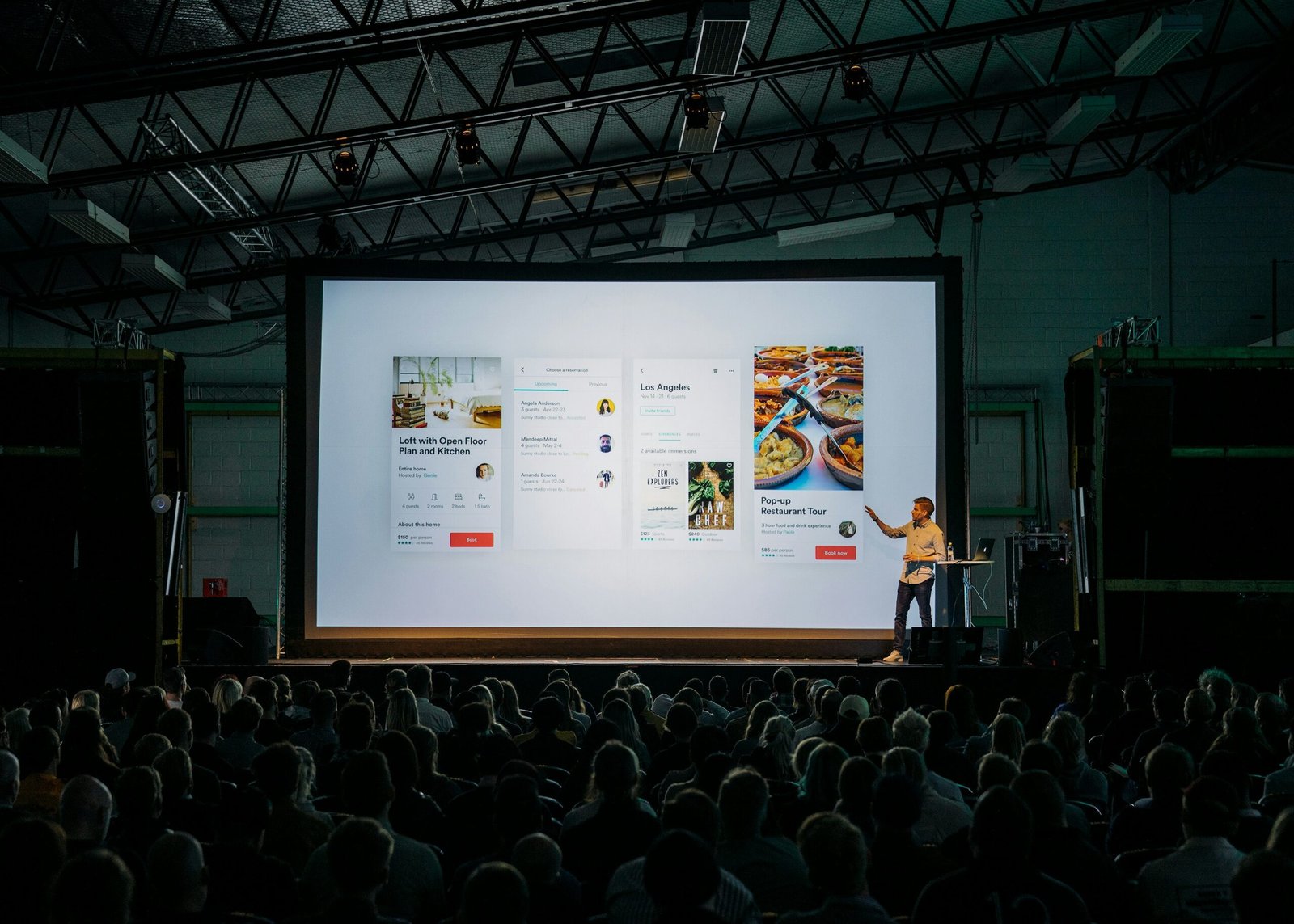
Branded environments transform passive visitors into active participants, dedicated fans, and brand ambassadors [1] while research shows consumers are 84% more likely to purchase in subtly scented retail environments [2] validating environmental design as critical differentiator beyond product displays and pricing strategies. Modern branded spaces don’t just tell stories—they create immersive experiences forging meaningful relationships between people and place [1] through strategic integration of lighting, materials, sensory elements, technology, and cultural storytelling resonating with target audiences.
Indonesian small retailers competing in market where customer expectations evolve toward experiential shopping face unique opportunities creating culturally-rich branded environments differentiating from larger competitors relying on standardized corporate designs. With strategic branded environment design properly implemented incorporating local cultural narratives, traditional materials, and community values, Indonesian retailers can build emotional connections driving customer loyalty, encouraging repeat visits, and generating social media shareability transforming retail spaces into destinations rather than mere transaction locations.
Understanding Branded Environment Design
Defining Branded Environments—Branded environments are physical or digital spaces embodying brand identity through design, storytelling, and interaction enhancing customer loyalty, boosting brand recognition, and creating engaging experiences [3]. These customized environments combine design, storytelling, and brand values offering interactions going beyond superficial to deeply resonate with visitors [3]. Retail spaces like Nike’s House of Innovation showcase how brands integrate digital technology and personalized services creating immersive shopping experiences making customers feel part of brand’s world [4]. For Indonesian context, branded environments represent opportunity telling authentic local stories distinguishing from international chain stores while celebrating archipelago’s cultural diversity through regional design elements, traditional craftsmanship integration, and community-centered spatial narratives [5].
Business Impact of Environmental Storytelling—Well-designed branded environments leave lasting impressions fostering meaningful connections between audiences and brands while driving engagement and loyalty [6]. Research shows customers more likely associate showcased products with higher quality and value when encountering attractive displays [7]. Successful branded environments seamlessly blend functionality with storytelling—wellness brands use calming colors, natural materials, and open layouts evoking serenity and health while technology companies prioritize sleek futuristic designs reflecting innovation [6]. Elements like lighting, textures, and furnishings play pivotal roles reinforcing brand messages [6]. Indonesian retailers can leverage branded environments creating competitive differentiation where personalized storytelling, cultural authenticity, and community integration impossible for large standardized chains provide sustainable competitive advantages [8].
Key Elements Creating Immersive Experiences—Modern retail destinations are immersive, purpose-driven, and deeply connected to brand through multi-sensory design, community engagement, and next-level merchandising choreographed to build loyal brand advocates [9]. Successful implementations feature interactive product demonstrations and hands-on experiences, multisensory environments appealing to sight/sound/smell/touch, shareable moments and photo opportunities for social media, educational workshops/classes and brand storytelling, and seamless integration of digital technologies like AR/VR/AI [10]. These elements collectively enrich shopping experience allowing customers feel more connected to brands they encounter and stories they embody [11]. For Indonesian small retailers, prioritize culturally-relevant interactive elements like traditional craft demonstrations, local artisan collaborations, community gathering spaces, and Instagram-worthy cultural design features maximizing limited budgets while creating authentic differentiation [12].
Strategic Design Principles
Research and Discovery Foundation—First step designing branded environment is thorough research and discovery setting foundation for entire project [13]. Focus on brand personality understanding unique traits and values (playful, professional, innovative, traditional), storytelling as every brand has story space should narrate resonating with audience, and customer demographics identifying who will use space tailoring environment to their needs and preferences [13]. For Indonesian retailers, research phase must include cultural considerations (religious sensitivities, local traditions, regional preferences), competitive landscape analysis (what local and international competitors doing), community expectations (how space can serve neighborhood beyond transactions), and seasonal patterns (Ramadan, Chinese New Year, Independence Day requiring adaptable design) ensuring branded environment culturally appropriate and commercially effective [14].
Consistent Visual Identity Integration—Retail design instrumental in conveying brand’s identity and values through use of colors, signage, and visual elements establishing consistent brand image resonating with target audience [15]. Design should reflect brand identity and values while being functional and aesthetically pleasing [16]. Consistent visual elements incorporating brand’s logo, color palette, and typography throughout retail space helps reinforce brand recognition and consistency with visual elements seamlessly integrated into signage, displays, packaging, and store layout itself [17]. Indonesian retailers should develop visual identity systems combining international design principles with local aesthetic preferences—batik patterns in contemporary interpretations, traditional color palettes from regional textiles, wood carving motifs in modern materials, and wayang-inspired graphic elements creating unique Indonesian brand identities impossible to replicate by foreign competitors [18].
Spatial Storytelling and Customer Journey—Retail store design should reflect and embody what brand is all about so customers immediately connect experience with brand [19]. Curated events and experiences have become vital tool for retail brands reaching customers on deeper level with in-person classes, lectures, demos, readings, and community gatherings providing unique memorable experiences creating valuable opportunities for brand awareness and loyalty [20]. For Indonesian market, spatial storytelling should incorporate narrative journey reflecting brand origins (family business heritage, local artisan partnerships, community roots), product stories (sourcing from specific regions, traditional production methods, sustainability practices), and cultural values (gotong royong community cooperation, respect for elders, environmental stewardship) creating authentic connections resonating emotionally with Indonesian consumers valuing tradition and community over pure commercial transactions [21].
Multi-Sensory Design Implementation
Visual Design and Lighting Strategies—Lighting plays major role shaping retail spaces with linear track lighting offering flexibility helping retailers highlight products and adjust merchandising strategies [11]. Spotlights on seasonal displays draw attention to new collections while ambient lighting in lounge areas makes spaces feel more relaxed [11]. Dynamic lighting systems reacting to customer flow create engaging atmosphere throughout day [11]. Notable interior design trends include earth tones, vintage and retro accents, and textured surfaces creating calming effect on shoppers welcoming them into relaxed environment [22]. For Indonesian tropical climate and cultural context, maximize natural daylight during cooler morning hours reducing electricity costs while creating fresh inviting atmosphere, use warm lighting temperatures (2700K-3000K) during evening hours creating cozy welcoming feeling, incorporate traditional Indonesian lamps and lanterns as decorative elements telling cultural stories, and ensure sufficient illumination for Muslim prayer areas and reflection spaces respecting religious practices [23].
Scent and Audio Branding—Comprehensive bibliometric analysis confirms multi-sensory cues significantly influence consumer evaluations, purchase intent, and brand perceptions across retail and experiential contexts [24]. Scent specifically shapes consumer behavior with consumers 84% more likely to purchase in subtly scented environments compared to unscented control spaces [2]. Successful implementations feature warm ambient lighting, natural material palettes, subtle aromatherapy integration, and acoustic design encouraging conversation without overwhelming visitors [2]. Indonesian retailers can leverage culturally-familiar scents creating positive associations—burning incense traditional to Indonesian homes, coffee aroma in café-integrated retail spaces, natural sandalwood or patchouli reflecting traditional aromatics, and seasonal scents like ketupat fragrance during Lebaran creating nostalgic emotional connections amplifying brand memorability [25].
Tactile Materials and Textures—Sensory design changing how customers experience stores engaging them through touch, sound, and scent with textured materials like reclaimed wood and soft fabrics adding warmth making spaces feel more inviting [11]. Aesthetics play significant role creating memorable branded environment with use of colors, textures, and lighting evoking emotions making lasting impression [16]. Indonesian retailers should prioritize local materials creating authentic tactile experiences—teak and mahogany wood from Java, rattan and bamboo from Kalimantan, natural stone from Bali, traditional textiles from various regions (batik, songket, ikat, tenun) displayed as wall art or incorporated into upholstery, and handcrafted ceramic tiles from local artisans creating unique surfaces impossible to source in standardized international chains [26].
Technology Integration Enhancing Engagement—Augmented reality has achieved widespread adoption in marketing contexts with over 100 million consumers using AR for online and in-store shopping interactions globally [27]. Strategic advantage lies in transforming physical objects into narrative portals with AR enabling brands to extend storytelling beyond physical touchpoints without requiring specialized hardware [27]. Modern AI platforms enable dynamic environmental adjustments—modifying lighting, audio profiles, and product sampling sequences based on crowd response analysis [28]. For Indonesian small retailers with limited technology budgets, start with accessible solutions like QR codes linking to product story videos in Bahasa Indonesia, WhatsApp Business integration for instant customer service, social media photo walls encouraging user-generated content, and simple tablets displaying product catalogs or virtual try-on features maximizing engagement without expensive custom development [29].
Cultural Authenticity and Community Connection
Incorporating Indonesian Cultural Narratives—Brand has story and space should narrate this story in way that resonates with audience [13]. Understanding audience needs from demographics to pain points enables personalization whether engaging online or in person [30]. For Indonesian retailers, cultural narratives should celebrate local heritage through regional mythology and folklore incorporated into visual storytelling, historical references to local landmarks and traditions, celebration of traditional crafts and artisan techniques, integration of philosophical concepts like harmony (keseimbangan) and community (gotong royong), and seasonal cultural celebrations creating timely relevance throughout calendar year [31]. These authentic cultural integrations create emotional resonance impossible for international brands lacking deep local understanding while building pride among local communities seeing their heritage celebrated commercially [32].
Creating Community Gathering Spaces—Customers expect more than just transactional exchange when shopping in retail environment wanting to feel immersed in brand’s story and values [19]. Corporate headquarters like Apple’s flagship stores create environments encouraging learning, innovation, and community engagement blending modern design with functional elements fostering productivity and brand loyalty [33]. Indonesian retailers should designate areas for community activities like traditional craft workshops teaching batik or weaving, cooking demonstrations featuring regional cuisines, cultural performance spaces for music and dance, meeting areas for local community organizations, and seasonal celebration zones for holidays creating multifunctional spaces serving commercial and social purposes building deep community relationships transcending pure retail transactions [34].
Sustainability and Social Responsibility—Companies using sustainable materials or technologies positioning themselves as leaders in both social responsibility and innovation [35]. Brands can highlight commitment to just causes in retail design and custom fabrication choices using ‘green’ materials or technologies [35]. For Indonesian context where environmental awareness growing particularly among younger consumers, showcase sustainability through bamboo and reclaimed teak furniture reducing deforestation, solar panels powering portions of operations in tropical sun-rich climate, rainwater harvesting systems visible to customers, reusable shopping bag programs with traditional textile designs, and partnerships with local environmental organizations creating authentic sustainability narratives rather than greenwashing tokenism [36].
Implementation for Indonesian Small Retailers
Budget-Conscious Phased Approach—Indonesian small retailers often lack capital for comprehensive branded environment redesigns requiring strategic phased implementation maximizing impact within budget constraints [37]. Start with highest-impact lowest-cost interventions like repainting with culturally-appropriate color schemes, adding traditional textiles as wall hangings, installing better lighting highlighting key products, creating designated photo opportunity areas with branded backdrops, and developing signature scent using affordable essential oils [38]. Phase two might add tactile material upgrades using local reclaimed wood, community gathering furniture creating flexible spaces, basic digital integration through tablets or QR codes, and seasonal decoration systems adapting to cultural calendar [39]. Reserve comprehensive renovations for phase three after initial interventions prove ROI justifying larger investments [40].
Leveraging Local Artisan Partnerships—Indonesian archipelago offers incredible artisan diversity providing unique branded environment opportunities unavailable to international chains [41]. Commission local craftspeople creating custom elements like carved wooden signage incorporating traditional motifs, handwoven textiles serving as distinctive wall features, ceramic tile work telling brand stories visually, rattan furniture providing comfortable seating with authentic Indonesian aesthetic, and metalwork light fixtures blending modern and traditional design [42]. These partnerships not only create unique branded environments but also generate compelling brand stories about supporting local artisans and preserving traditional crafts resonating with Indonesian consumers increasingly valuing authentic local products over generic international brands [43].
Measuring Environmental Design Effectiveness—Track performance metrics validating branded environment investments including increased dwell time measured through WiFi analytics or manual observation, higher conversion rates comparing before/after environmental upgrades, social media engagement monitoring tagged photos and check-ins, customer feedback through surveys asking about shopping experience, repeat visit frequency tracked through loyalty programs, and average transaction values comparing environmental design impact on purchasing behavior [44]. For Indonesian market, also monitor cultural appropriateness feedback ensuring design elements respectfully represent traditions, community response assessing whether space successfully serves social functions beyond commerce, and staff pride measuring whether employees feel positive about representing brand in culturally-authentic environment [45].
Partner with MD Asia for Branded Environment Excellence
Creating effective branded environments requires expertise in design principles, cultural sensitivity, storytelling, sensory integration, technology implementation, and community engagement—capabilities Indonesian small retailers lack while managing daily operations demanding constant attention.
MD Asia understands unique challenges facing Indonesian retailers where branded environments build customer loyalty and brand recognition [3] yet small businesses struggle with design expertise, budget constraints, cultural nuances, and technical execution. As integrated marketing company delivering end-to-end solutions across digital, creative, and offline advertising production, we help retailers develop branded environments that research brand personality and customer demographics, design culturally-authentic visual identities, integrate multi-sensory elements, implement appropriate technology solutions, and create community-centered spaces.
Whether you need complete branded environment design from concept through installation, cultural storytelling consultation ensuring appropriate representation, sensory design integration creating memorable experiences, technology implementation enhancing engagement, or phased renovation planning maximizing budget efficiency, MD Asia provides expertise transforming retail spaces into brand destinations.
Ready to create branded environment telling your story? Contact MD Asia today to discover how strategic environmental design can increase customer dwell time and conversion rates, build emotional brand connections, differentiate from standardized competitors, celebrate Indonesian cultural heritage, and create shareable social media moments. Let us help you transform retail space into destination in Indonesia’s competitive market where environmental experience increasingly determines shopping destination choice.
Conclusion
In environment where branded spaces transform passive visitors into active participants and brand ambassadors [1], consumers are 84% more likely to purchase in well-designed sensory environments [2], and customers expect immersive brand experiences beyond transactional shopping [19], strategic branded environment design represents essential capability rather than optional aesthetic enhancement as Indonesian small retailers compete against larger chains with standardized corporate designs lacking cultural authenticity and community connection making environmental storytelling critical competitive differentiator building sustainable customer loyalty.
Indonesian retailers possess unique advantages creating culturally-rich branded environments through archipelago’s diverse traditional design heritage, local artisan partnerships, community-centered values, and authentic regional narratives impossible for international chains to replicate despite larger budgets while tropical climate and cultural calendar provide additional opportunities for distinctive environmental design approaches celebrating Indonesian identity commercially and socially.
Success requires understanding branded environment principles beyond decoration, researching brand personality and customer demographics thoroughly, designing consistent visual identities combining international and local aesthetics, implementing multi-sensory elements including lighting/scent/sound/touch, integrating cultural narratives authentically and respectfully, creating community gathering spaces serving social functions, leveraging local artisan partnerships, adopting phased budget-conscious implementation, and measuring environmental design effectiveness proving ROI. Start transforming retail space now creating branded environment telling your unique Indonesian story building emotional connections transcending price competition establishing your business as cultural destination rather than mere transaction location.
References
[1] SEGD. (2025, April 10). 2025 SEGD Branded Environments. Retrieved from https://segd.org/news/2025-segd-branded-environments-meet-the-thought-leaders-crafting-brand-driven-experiences/
[2] Sparko Sweets. (2025, November 7). 5 Experiential Marketing Trends 2025. Retrieved from https://sparkosweets.com/blogs/news/5-experiential-marketing-trends-brand-managers-must-harness-in-2025
[3] Djuki. (2024, May 21). Branded Environments Top 5 Tips 2024. Retrieved from https://djuki.com/blog/2024/05/21/branded-environments/
[4] Djuki. (2024, May 21). Branded Environments Must Know Tips. Retrieved from https://djuki.com/blog/2024/05/21/branded-environments/
[5] Standard Insights. (2025, October 14). Consumer Report Indonesia 2024. Retrieved from https://standard-insights.com/consumer-report-indonesia-2024/
[6] FX Design Group. (2025, June 26). Designing Perfect Branded Environment. Retrieved from https://fxgroup.tv/designing-the-perfect-branded-environment/
[7] The Look Company. (n.d.). Retail Design Trends 2025. Retrieved from https://thelookcompany.com/blog/retail-design-trends-2025-defining-the-customer-experience
[8] Cimigo. (2025, February 28). Indonesia Consumer Trends 2024. Retrieved from https://www.cimigo.com/en/trends/indonesia-consumer-trends-2024/
[9] SEGD. (2025, April 10). SEGD Branded Environments Thought Leaders. Retrieved from https://segd.org/news/2025-segd-branded-environments-meet-the-thought-leaders-crafting-brand-driven-experiences/
[10] Bridgewater Studio. (2025, October 18). Best Experiential Retail Examples 2025. Retrieved from https://www.bridgewaterstudio.net/blog/https/www.bridgewaterstudio.net/blog/best-experiential-retail-examples
[11] Robin Waite. (2025, June 11). Key Design Trends Shaping Retail Environments 2025. Retrieved from https://www.robinwaite.com/blog/key-design-trends-shaping-retail-environments-in-2025
[12] Channelplay. (2025, July 23). Visual Merchandising in Retail 2025. Retrieved from https://www.channelplay.in/post/visual-merchandising
[13] Djuki. (2024, May 21). Branded Environments 2024. Retrieved from https://djuki.com/blog/2024/05/21/branded-environments/
[14] Kadence. (2024, November 18). Indonesia Market Research Consumer Trends. Retrieved from https://kadence.com/indonesia-market-research-key-consumer-trends-you-must-know/
[15] FasterCapital. (n.d.). Retail Design Creating Welcoming Retail Environment. Retrieved from https://fastercapital.com/content/Retail-design–How-to-Create-a-Welcoming-and-Appealing-Retail-Environment.html
[16] Djuki. (2024, May 21). Branded Environments Tips. Retrieved from https://djuki.com/blog/2024/05/21/branded-environments/
[17] FasterCapital. (n.d.). Retail Design Welcoming Environment. Retrieved from https://fastercapital.com/content/Retail-design–How-to-Create-a-Welcoming-and-Appealing-Retail-Environment.html
[18] LinkedIn. (2023, December 7). Indonesia Consumer Behavior 2024. Retrieved from https://www.linkedin.com/pulse/prediction-indonesia-consumer-behavior-2024-bagus-prabowo-aji-9wqtc
[19] Bridgewater Studio. (2024, April 9). 6 Elements Every Retail Environment Needs 2024. Retrieved from https://www.bridgewaterstudio.net/blog/retail-environment-6-elements
[20] Bridgewater Studio. (2024, April 9). Retail Environment Elements. Retrieved from https://www.bridgewaterstudio.net/blog/retail-environment-6-elements
[21] Statista. (n.d.). Consumer Shopping Behavior Indonesia. Retrieved from https://www.statista.com/topics/7906/consumer-shopping-behavior-in-indonesia/
[22] The Look Company. (n.d.). Retail Design Trends 2025 Customer Experience. Retrieved from https://thelookcompany.com/blog/retail-design-trends-2025-defining-the-customer-experience
[23] NielsenIQ. (2025, June 12). Indonesia Consumer Outlook 2025. Retrieved from https://nielseniq.com/global/en/insights/report/2024/nielseniq-indonesia-mid-year-consumer-outlook-guide-to-2025/
[24] Sparko Sweets. (2025, November 7). Experiential Marketing Trends 2025. Retrieved from https://sparkosweets.com/blogs/news/5-experiential-marketing-trends-brand-managers-must-harness-in-2025
[25] TGM Research. (2024, June 6). Indonesia Online Shopping Rise. Retrieved from https://tgmresearch.com/tgm-the-rise-of-online-grocery-market-indonesia.html
[26] Mordor Intelligence. (2018, February 21). Indonesia Retail Market Report. Retrieved from https://www.mordorintelligence.com/industry-reports/indonesian-retail-industry
[27] Sparko Sweets. (2025, November 7). Marketing Trends Brand Managers 2025. Retrieved from https://sparkosweets.com/blogs/news/5-experiential-marketing-trends-brand-managers-must-harness-in-2025
[28] Sparko Sweets. (2025, November 7). Experiential Marketing Trends. Retrieved from https://sparkosweets.com/blogs/news/5-experiential-marketing-trends-brand-managers-must-harness-in-2025
[29] SEGD. (2025, April 22). 2025 SEGD Branded Environments Event. Retrieved from https://segd.org/events/2025-segd-branded-environments/
[30] Bridgewater Studio. (2024, April 9). Elements Retail Environment Needs. Retrieved from https://www.bridgewaterstudio.net/blog/retail-environment-6-elements
[31] Infobip. (2025, July 4). Strategic Guide Seasonal Marketing. Retrieved from https://www.infobip.com/blog/seasonal-marketing
[32] NielsenIQ. (2025, July 11). Retail Spend Barometer Indonesia. Retrieved from https://nielseniq.com/global/en/landing-page/retail-spend-barometer-indonesia/
[33] Djuki. (2024, May 21). Branded Environments Design. Retrieved from https://djuki.com/blog/2024/05/21/branded-environments/
[34] Attack Marketing. (n.d.). Seasonal Marketing Strategies. Retrieved from https://www.attackmarketing.com/post/seasonal-marketing-strategies
[35] Bridgewater Studio. (2024, April 9). Retail Environment 6 Elements 2024. Retrieved from https://www.bridgewaterstudio.net/blog/retail-environment-6-elements
[36] Forklift Exhibition Indonesia. (2025, October 14). Indonesia Manufacturing Growth. Retrieved from https://www.forklift-exhibition.net/
[37] Exhibit Options. (n.d.). Smart Budgeting Trade Shows 2024. Retrieved from https://blog.exoptions.com/smart-budgeting-for-trade-shows-in-2024-maximizing-impact-without-breaking-the-bank
[38] Triumfo. (n.d.). Budget Friendly Exhibition Booth Design. Retrieved from https://www.triumfo.us/blog/strategies-for-budget-friendly-custom-exhibition-booth-design/
[39] Infinity Exhibits. (2025, February 25). Trade Show Booth Ideas Small Budgets. Retrieved from https://www.infinityexhibits.com/10-trade-show-booth-ideas-for-small-budgets/
[40] Blue Atlas Marketing. (2025, February 1). Cost to Exhibit Trade Show. Retrieved from https://www.blueatlasmarketing.com/resources/how-much-does-it-cost-to-exhibit-at-a-trade-show/
[41] IFFE Expo. (2025, January 31). Expo 2024 Exhibition. Retrieved from https://iffeexpo.com/exhibiting/
[42] Vizitor. (n.d.). Exhibition Management Checklist Guide. Retrieved from https://www.vizitorapp.com/blog/exhibition-management-a-must-have-2024-checklist-guide/
[43] HubSpot. (2025, May 14). Seasonal Marketing Campaign Guide. Retrieved from https://blog.hubspot.com/marketing/seasonal-marketing-campaign-guide
[44] Dominion Lighting. (2025, August 23). Retail Lighting Design Boosts Sales. Retrieved from https://dominionlighting.com/retail-lighting-design/
[45] Alcon Lighting. (2024, June 21). Retail Lighting Best Practices. Retrieved from https://www.alconlighting.com/blog/lighting-design/best-retail-lighting-application-lighting-practices/