
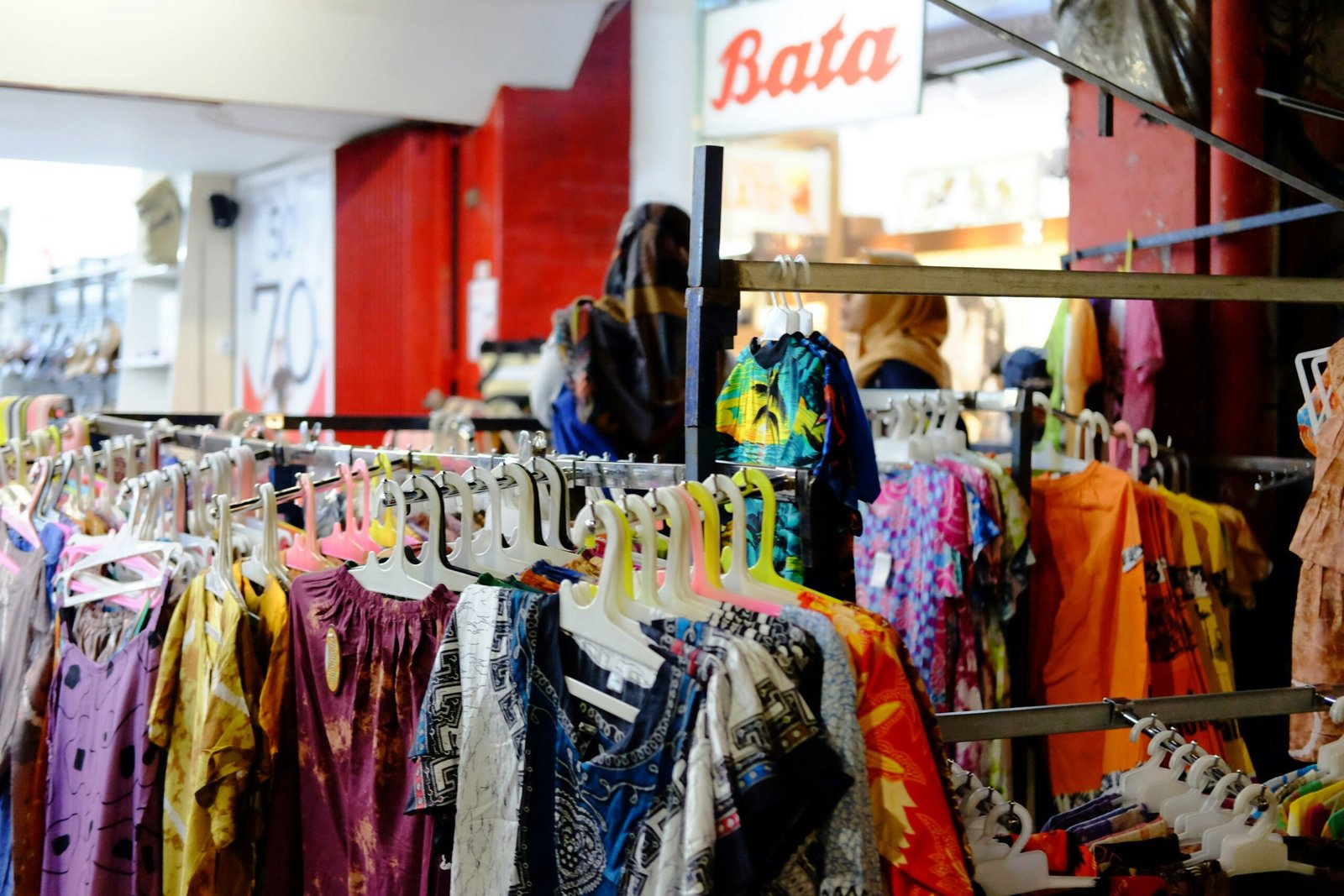
Indonesian retail space costs averaging USD 21.95 per square foot in 2025 [1] with commercial rent steadily increasing demand strategic space planning maximizing every meter’s revenue potential rather than accepting inefficient layouts limiting profitability. Research reveals poor space planning costs US retailers USD 125 billion annually with 73.4% of consumers unsatisfied with current visual merchandising standards [2], while disorganized displays alone drove 24.5 million shoppers abandoning purchases costing over USD 5 billion [2]. Small retailers where limited space represents substantial investment cannot afford wasting valuable selling areas on ineffective arrangements when strategic planning transforms cramped environments into profitable, customer-friendly destinations.
Space planning involves organizing store sections, defining product categories clearly, and ensuring smooth customer flow throughout spaces—carefully calculated arrangements maximizing shopping experience and sales potential [3]. For Indonesian retailers competing where millions of merchants create price pressure and consumers become increasingly selective, professional space planning provides competitive advantage accessible regardless of business size. Smart interior design and layout guide shoppers and maximize revenue per square meter directing customer flow to priority zones, supporting impulse buying, placing high-margin goods on main paths, and reducing congestion improving comfort [4]. Strategic space allocation transforms browsing into purposeful exploration driving conversions.
Understanding Space Planning Fundamentals
Effective space planning combines science and art—analyzing customer behavior data while creating welcoming atmospheres where products display attractively and shopping journeys flow naturally from entrance to checkout.
Why Space Planning Matters Critically—About 60-65% of people perceive information and world around them better through visual channels while merchandise displays are both endpoint of entire goods journey and important part of brand image [4]. Strong retail store layout design is more than visual plan—it’s engine behind effective floor planning, powerful atmospherics, and seamless customer experience [4]. When layout works, loyalty grows, basket size increases, and overall retail performance improves [4]. Poor store planning creates environments where customers can’t find what they’re looking for, aisles are cramped, and layouts feel chaotic—customers leave quickly and probably won’t return [3]. Store planning isn’t just about making things look pretty but creating environments where customers shop comfortably, discover products easily, and ultimately make purchases [3]. Indonesian retailers should recognize space planning as strategic investment rather than cosmetic improvement—proper planning delivers measurable returns through increased sales per square meter, improved customer satisfaction, reduced operational inefficiencies, and enhanced brand perception positioning businesses competitively.
Core Space Planning Principles—Smart interior store design and layout maximize revenue per square meter through directing customer flow to priority zones, supporting impulse buying through strategic product placement, placing high-margin goods on main paths ensuring visibility, and reducing congestion improving comfort enhancing dwell time [4]. Layout testing improves results—continuous refinement based on performance data ensures ongoing optimization [4]. Space planning software helps turn data into profitable shop layout ideas resonating with real customers [4]. First step in making most of retail space is understanding what you have to work with by sketching simple floor plan either on paper or using digital tools [5]. Mark out dimensions, entrances, exits, and any structural elements that can’t be moved such as columns or fixed shelving—this overview helps visualize where you can make changes and improvements [5]. Take stock of how much floor space being used effectively identifying areas that are cluttered or aisles too narrow [5].
Strategic Zone Allocation
Store zones serve different purposes requiring distinct space allocations—understanding functional requirements for each area ensures balanced layouts supporting both customer needs and business objectives.
Decompression Zone Management—Upon entering store, customers find themselves in so-called decompression zone—space of first steps 3-5 meters or more depending on available space [4]. This is zone of first contact, wide overview, and orientation in store which almost all customers pass through on “autopilot” [4]. Therefore high and constant demand goods as well as new and promotional offers should not be placed in this area—they risk being unnoticed [4]. Decompression zone is first 5 to 15 feet where customers take broad sweeping look at store and anything placed directly in this area often goes unnoticed [1]. Shoppers in decompression zone still adjust to surroundings and tend to overlook products so avoid placing key items here like new arrivals or high-demand products [1]. Indonesian retailers should use decompression zones for: welcoming atmospheric elements setting tone, shopping basket and cart placement for convenience, directional signage orienting customers, and brand storytelling elements creating emotional connections—save valuable selling space deeper in stores for featured merchandise where customer attention focuses.
Power Zone and Hot Spots—Some areas naturally attract more customer attention than others with these high-traffic zones being prime real estate for best-selling or highest-margin products [5]. According to psychologist Paco Underhill, most shoppers naturally turn right when entering retail stores then move in counterclockwise pattern before exiting—phenomenon called “the invariant right” [1]. Using this knowledge, plan to organize store layout so right side begins with shopping baskets and carts, includes more space to reduce bottlenecks if influx of foot traffic, and features high-demand products or special promotions on right-hand “power wall” [1]. Use heat mapping tools or observe customer behavior to identify high-traffic areas then strategically place most important products where customers most likely to see and interact with them [5]. Display cases with best-selling products should be located as far in store as possible so customer notices and buys other things on way to them [4]. Indonesian retailers should maximize power zones through: placing highest-margin products in prime visibility areas, featuring new arrivals and seasonal items in traffic paths, creating focal point displays attracting attention, and rotating featured products regularly maintaining visual interest.
Checkout Area Optimization—Checkout area merchandise near cash register intended to drive impulse purchases [4]. Product placed near cash register attracts more attention than product placed by door—more likely customer sees product near register while waiting to check out whereas shoppers breeze past products positioned by door as they enter or exit [1]. Products bought on impulse should be placed near checkout counter [6]. These are usually tiny items such as sweets, wet wipes, gum, etc. [6]. Indonesian retailers should strategically plan checkout zones with: tiered display fixtures maximizing limited counter space, low-cost impulse items under IDR 50,000 encouraging additions, gift cards and promotional materials capturing last-minute interest, and queuing area displays keeping waiting customers engaged reducing perceived wait time while presenting additional purchase opportunities.
Layout Types and Customer Flow
Different layout configurations serve different retail formats—selecting appropriate structure based on merchandise type, space dimensions, and desired customer experience ensures optimal performance.
Grid Layout for Maximum Efficiency—Grid floor plan uses grid-like arrangement creating series of parallel aisles and displays [7]. This is most common and simplest retail store floor plan based on maximizing facings of goods [4]. It’s essentially type of grid for sales areas with limited area used where necessary to place maximum items in minimum space [4]. Therefore often found in warehouse stores, hardware stores, and small DIY markets [4]. Grid plans maximize every inch of available floor space including corners while being easy for customers to navigate [7]. Walk into almost any supermarket and you’ll see grid layout in action with products organized in long parallel aisles with clear pathways between them [3]. This layout maximizes product display space and makes it easy for customers to systematically browse through categories [3]. For Indonesian small retailers with extensive inventories, grid layouts provide: systematic product organization by category, efficient space utilization for dense merchandise, clear sightlines for security monitoring, and familiar navigation patterns reducing customer confusion.
Loop Layout for Guided Discovery—Loop floor plan sometimes called racetrack layout has defined pathway throughout store creating guided shopping experience and exposing customers to every item on display [7]. As type of forced path store layout, racetrack designed to lead customers along circular route serving as main corridor through store similar to main aisles in markets [4]. It provides good overview of entire store space thus inviting customers to back of store where most popular products can be placed [4]. Loop layout popular in department stores creates main pathway that circles store’s perimeter—this guided journey ensures customers pass by most merchandise sections before reaching checkout [3]. Think of IKEA’s famously serpentine path—you enter with plan to buy lamp and leave having seen every piece of furniture they offer [3]. Indonesian retailers using loop layouts should: position destination categories at journey’s end encouraging full-store exploration, place impulse items along pathway capitalizing on exposure, provide shortcut paths for time-pressed customers avoiding frustration, and create visual interest points along loop maintaining engagement throughout journey.
Free-Flow Layout for Boutique Experience—Free-flow layout is like boutique art gallery—there’s no prescribed path and customers can wander wherever interest takes them [3]. This works beautifully for small specialty stores where goal is creating intimate browsing-friendly atmosphere [3]. Jewelry boutique or high-end fashion store might use this approach allowing customers to explore at leisure without feeling rushed or constrained [3]. Free-flow layouts encourage longer dwell time and product discovery through non-linear exploration patterns. Research shows high dwell time increases customers’ likelihood of buying in high-end retail settings—first, more time someone spends in store, more products they’re likely to see increasing product discovery [1]. Second, high dwell time can lead to impulse or unplanned purchases through sunk-cost fallacy: customers think “I’ve spent so much time here, I can’t leave empty-handed” [1]. Indonesian boutique retailers should implement free-flow layouts with: clear sight lines throughout ensuring customers never feel lost, strategic anchor pieces drawing traffic to different zones, comfortable browsing areas encouraging lingering, and staff positioning throughout space providing assistance without intrusive pressure.
Vertical Space and Display Optimization
Floor space represents only one dimension—vertical space offers substantial untapped opportunity for inventory display and visual impact particularly important for Indonesian retailers with limited floor areas.
Building Upward Strategically—Instead of opening second location or expanding retail floor plan both adding to operating costs, optimize what you have by building vertically with shelving units and wall displays if short on floor space [1]. Creating height using tall or vertical displays creates sense of height and drawing eye upward [8]. Our eyes immediately gravitate to high points while glancing at displays—building on top of tables or hanging merchandise and visual displays from ceiling create height [9]. Layer variety of smaller tables, ladders or chairs on tables creating elevation while prominently displaying most eye-catching merchandise at top treating it like magnificent crown [9]. Multi-level displays draw attention, maximize retail space and allow customers’ eyes to gently flow through products [9]. Populate levels beneath with similar coordinating merchandise at lower price points—spectacle lures customers in and they’ll stay browsing related products below [9]. Indonesian retailers should maximize vertical space through: wall-mounted shelving utilizing full ceiling height, hanging displays and suspended fixtures, tiered display tables creating visual hierarchy, and ladder-style displays adding architectural interest while increasing capacity.
Eye-Level Optimization—Place more expensive products at eye level to encourage customers making more costly purchases thereby increasing average check [6]. Use best-selling products to attract customers then place slower-selling products next to them to increase their visibility [6]. Eye level is buy level—products positioned at average adult eye height (approximately 150-170cm) receive maximum attention and highest conversion rates. Indonesian retailers should apply eye-level principles through: premium products and high-margin items at optimal height, complementary products at adjacent eye levels encouraging bundling, children’s products at appropriate lower heights if relevant, and regular rotation preventing “blindness” to static arrangements.
Cross-Merchandising and Product Adjacency
Strategic product placement extends beyond category organization—thoughtful adjacencies and cross-merchandising opportunities drive basket sizes and average transaction values significantly.
Principles of Product Proximity—Use cross-merchandising by placing products that complement each other next to each other—for example face masks and creams, beer and chips, smartphones and accessories [6]. This increases likelihood customers buy several products at once [6]. You can plan visually appealing layout by strategically placing products often sold together following principles of product proximity and cross-merchandising [10]. This way you encourage customers to spend more time in store and increase average receipt [10]. Creating thematic zones within store organizes products around specific themes or stories making shopping experience more intuitive and engaging [11]. Indonesian retailers should implement cross-merchandising through: recipe-based groupings for food retailers, complete-the-look displays for fashion and accessories, solution-based bundles addressing specific customer needs, and seasonal combinations aligning with cultural calendar events.
Adjacency Strategy—Placement strategy, zoning, and navigation are very important in racetrack layouts [4]. Planners must go beyond analysis at category level and delve into specific stock-keeping units that make up each category [12]. Products commonly fall into multiple category roles especially in retail—for instance item may belong to both primary category and secondary thematic grouping [12]. Indonesian retailers should develop adjacency strategies considering: logical customer shopping journeys from research to purchase, complementary product relationships encouraging bundling, lifestyle groupings reflecting usage occasions, and traffic flow patterns ensuring popular categories accessible without creating bottlenecks.
Technology and Data-Driven Planning
Modern space planning leverages technology transforming intuition-based decisions into data-driven strategies optimizing layouts through customer behavior analytics and performance measurement.
Analytics and Heat Mapping—Use heat mapping tools or observe customer behavior to identify high-traffic areas [5]. AI algorithms analyze video footage to gain insights into customer paths and dwell times—this information crucial for designing store layouts that facilitate smooth customer journeys and reduce bottlenecks [11]. British supermarket chain Tesco experimented with AI-driven customer flow analytics to rearrange store layouts enhancing shopping environment and increasing sales in key product areas [11]. DotActiv software has heatmapping built into floor planning capability and allows retailers to understand position of their best-sellers in-store [11]. Indonesian retailers can implement affordable analytics through: manual customer flow tracking during peak hours, smartphone video recording analyzing movement patterns, point-of-sale data revealing purchasing patterns, and customer feedback surveys identifying pain points—systematic observation provides insights guiding layout improvements without expensive technology investments.
Space Planning Software Solutions—Effective space planning crucial for retail success—right space planning software can improve efficiency, enhance shopping experience, and boost sales [13]. Space planning software helps retail managers and business owners design and optimize store layouts allowing users to maximize sales per square meter by strategically placing high-demand products, improve customer flow with intuitive layouts enhancing shopping experience, and standardize store layouts across multiple locations for consistent brand experience [13]. Modern planogram creation software often includes AI-driven features that help quickly and automatically generate product layouts [10]. Days of two-dimensional planograms are over with latest tools offering ability to see shelf layout in 3D model [10]. For single-store retail managers, focus on manual planogramming techniques or basic layout design tools to optimize shelf space efficiently [13]. Indonesian small retailers should consider: free or low-cost digital floor planning tools, spreadsheet-based planogram templates, photo documentation tracking layout changes, and simple performance metrics measuring layout effectiveness before investing in expensive software solutions.
Continuous Improvement and Testing
Space planning is ongoing process rather than one-time task—regular evaluation, customer feedback, and willingness to experiment ensure layouts remain optimized as business evolves.
Systematic Layout Testing—Layout testing improves results requiring continuous refinement based on performance data [4]. Retailers can create more effective planograms using data on product sales, demand, customer preferences, and market trends [10]. Another key trend is transition to dynamic planograms where merchandisers use modern tools to create layouts that can be quickly adjusted in real-time [10]. Store planning ultimately about creating harmony between multiple competing needs: maximizing sales, ensuring customer comfort, maintaining operational efficiency, and protecting merchandise [3]. It requires understanding both science of retail metrics and art of creating welcoming spaces [3]. Indonesian retailers should establish testing protocols including: baseline performance measurement before changes, A/B testing comparing different arrangements, customer feedback collection through surveys and observations, sales data analysis by zone and category, and systematic documentation of learnings informing future decisions.
Seasonal and Cultural Adaptation—Change store’s color palette reflecting seasonal trends or holidays breathing new life into store attracting visitors year-round [6]. For Indonesian retailers, cultural calendar alignment provides regular opportunities for layout refreshes: Ramadan and Eid featuring gift sets and celebration essentials, Chinese New Year highlighting prosperity themes and symbolic products, Independence Day showcasing national pride and patriotic merchandise, year-end holidays emphasizing gifts and entertaining supplies, and regional celebrations reflecting local cultural significance. Regular rotation prevents “display blindness” where regular customers stop noticing unchanged presentations—systematic refresh schedules every 2-4 weeks maintain visual interest encouraging repeat visits while demonstrating active management building customer trust.
Partner with MD Asia for Professional Space Planning
Implementing effective space planning requires expertise in customer behavior psychology, visual merchandising principles, layout optimization techniques, and systematic performance measurement—capabilities Indonesian small retailers understandably lack while managing inventory, sales, staff, and daily operations demanding constant attention.
MD Asia understands unique challenges facing Indonesian retailers where commercial space costs USD 21.95 per square foot [1] yet poor planning costs billions in lost sales [2] while disorganized displays drive customer abandonment [2]. As integrated marketing company delivering end-to-end solutions across digital, creative, and offline advertising production, we help retailers develop space planning strategies that maximize revenue per square meter through data-driven layout optimization, improve customer flow creating intuitive shopping journeys, reduce operational inefficiencies through smart zone allocation, enhance visual merchandising impact through strategic product placement, and deliver measurable performance improvements through systematic testing. Our team combines space planning expertise with Indonesian market understanding ensuring layouts resonate with local shopping behaviors.
Whether you need comprehensive space planning strategy from initial assessment through implementation, custom floor plan design and 3D visualization, fixture selection and procurement guidance, staff training on merchandising principles and execution, or ongoing performance monitoring and optimization support, MD Asia provides expertise transforming limited retail space into strategic asset. We work with retailers of all sizes understanding small businesses need practical cost-effective solutions proving ROI.
Ready to maximize every square meter of your retail space? Contact MD Asia today to discover how professional space planning can increase sales per square meter through strategic layout optimization, improve customer satisfaction creating comfortable shopping environments, reduce wasted space maximizing inventory display capacity, enhance operational efficiency through smart zone allocation, and build competitive advantage through superior store experiences. Let us help you develop space planning mastery positioning your retail business for sustained success in Indonesia’s competitive landscape where efficient space utilization increasingly determines profitability.
Conclusion
In Indonesia’s retail environment where commercial space costs average USD 21.95 per square foot [1], poor planning costs USD 125 billion annually [2], and 73.4% of consumers remain unsatisfied with merchandising standards [2], professional space planning represents essential competitive advantage for retailers committed to maximizing profitability from limited valuable selling areas rather than accepting inefficient layouts limiting revenue potential.
The evidence compels attention: strategic space planning directs customer flow to priority zones supporting impulse buying and placing high-margin goods on main paths [4], proper layouts guide shoppers maximizing revenue per square meter [4], and well-executed planning creates harmony between sales maximization, customer comfort, operational efficiency, and merchandise protection [3]. For Indonesian retailers, space planning profitability depends on: understanding decompression zones and power areas maximizing prime real estate, selecting appropriate layout types matching merchandise and customer flow, maximizing vertical space expanding capacity without floor expansion, implementing cross-merchandising driving basket sizes, leveraging data and analytics informing optimization decisions, and continuous testing and refinement ensuring ongoing improvement.
Not every retailer requires expensive technology or consultants—success comes from understanding core space planning principles, starting with honest current layout assessment, implementing affordable improvements systematically, measuring results proving value, and scaling investments as returns warrant. However, retailers ignoring space efficiency risk substantial opportunity costs as Indonesian consumers increasingly expect professional presentations matching experiences from leading brands regardless of business size.
Indonesia’s opportunities—growing retail market, mobile-first consumers researching before visiting, rising expectations for professional environments, and cultural diversity enabling seasonal refreshes—create ideal conditions for space planning success when approached strategically. Start with floor plan documentation understanding current reality, analyze customer flow patterns identifying opportunities, prioritize high-impact low-cost improvements, implement changes systematically, and measure everything tracking performance. When executed thoughtfully with customer-centric focus and data-driven decisions, space planning transforms from optional consideration into strategic competitive advantage differentiating retailers in Indonesia’s dynamic market where operational excellence and customer experience increasingly determine success.
👉 Contact us today and start creating a store display that truly stands out.
References
[1] Shopify. (n.d.). Retail Store Layout: 10 Ideas, Examples & Tips. Retrieved from https://www.shopify.com/blog/the-ultimate-guide-to-retail-store-layouts
[2] One Door. (n.d.). 2025 Visual Merchandising Report: How Space Planning Affects Sales. Retrieved from https://onedoor.com/resource/space-planning-retail-sales/
[3] Retail Town. (2025, October 13). Retail Store Planning: A Guide to Space, Circulation, and Shrinkage. Retrieved from https://retail.town/retail-operations-store-management/store-planning-space-allocation-customer-flow/
[4] Leafio. (2024, May 15). Retail Store Layout Design and Floor Plan Guide. Retrieved from https://www.leafio.ai/blog/retail-floor-layout-design-and-planning/
[5] Specialty Store Services. (2024, August 20). Maximizing The Footprint of Your Small Retail Space. Retrieved from https://specialtystoreservicesblog.com/2024/08/13/maximizing-the-footprint-of-your-small-retail-space/
[6] Leafio. (2024, September 19). 6 Effective Visual Merchandising Techniques and Strategies. Retrieved from https://www.leafio.ai/blog/effective-visual-merchandising-strategies/
[7] Fit Small Business. (2025, March 27). 9 Retail Store Layouts & Tips for Designing Your Floor Plan. Retrieved from https://fitsmallbusiness.com/planning-your-store-layout/
[8] Visual Merchandising How To. (2024, September 13). Focal Point in Visual Merchandising. Retrieved from https://www.visualmerchandisinghowto.com/focal-point-in-visual-merchandising/
[9] Gift Shop Magazine. (2019, June 26). The Power of Focal Points in Store Design. Retrieved from https://giftshopmag.com/article/the-power-of-focal-points-in-store-design/
[10] PlanoHero. (n.d.). Planogram Trends 2024: What’s New in Store Merchandising. Retrieved from https://planohero.com/en/blog/planogram-trends-2024/
[11] DotActiv. (2024, March 20). Maximize Retail Efficiency: Strategies For Floor Space Optimization. Retrieved from https://dotactiv.com/blog/floor-space-optimization-strategies
[12] RELEX Solutions. (2024, June 5). How strategic floor planning maximizes retailer profitability. Retrieved from https://www.relexsolutions.com/resources/how-strategic-floor-planning-maximizes-retailer-profitability/
[13] PlanoHero. (2025, February 27). Top 5 Retail Space Planning Software for Store Chains. Retrieved from https://planohero.com/en/blog/best-space-planning-software-for-retail-chains/