
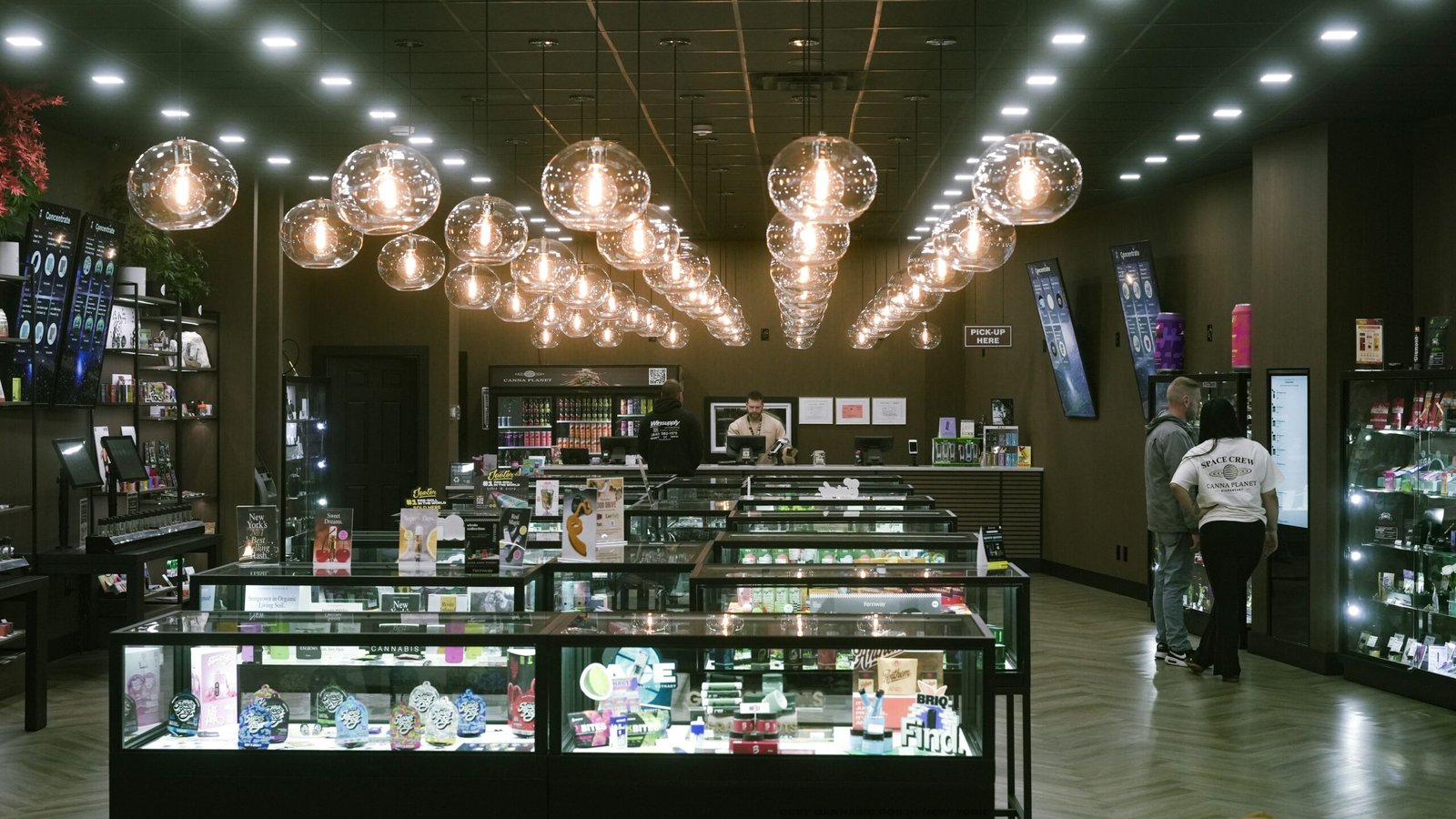
Every square meter in your retail store has revenue potential—the question is whether you’re maximizing it. In Indonesia’s competitive retail landscape where convenience stores and mini-markets hold 45.54% market share [4], small business owners must strategically leverage every advantage. Store layout optimization represents one of the most powerful yet underutilized tools at your disposal.
Research reveals that optimizing store layouts can increase sales by up to 15% [72], while impulse purchases account for 60-70% of all retail transactions [67]. For Indonesian small business owners, understanding and implementing strategic placement techniques isn’t just about aesthetics—it’s about transforming browsers into buyers and significantly boosting your bottom line.
Understanding the Psychology of Impulse Buying
Impulse buying refers to unplanned, spontaneous purchasing behavior occurring when shoppers make decisions without extensive deliberation [66]. This phenomenon plays a crucial role in retail success, driven by a combination of mental and emotional triggers. Research suggests that when consumers see products or receive promotional messages, their brain’s reward system activates, releasing dopamine that creates instant gratification and pleasure [61]. This neurological response makes customers significantly more likely to complete unplanned purchases, particularly in well-designed retail environments.
The numbers tell a compelling story about impulse buying’s significance. A striking 80% of consumers shop impulsively in brick-and-mortar stores [63], while physical retail remains highly effective at encouraging spontaneous purchases—with 31.5% of shoppers making immediate purchases after in-store discovery compared to just 19.1% on retail websites [64]. The average consumer makes an estimated 9.75 impulse buys per month, spending approximately $282 monthly on unplanned purchases [63]. For Indonesian retail business owners, these statistics demonstrate the immense revenue opportunity that strategic store layout can unlock.
Understanding what drives impulse purchases helps retailers design more effective store layouts. Key psychological triggers include the thrill of discovery, social proof from seeing other customers purchase items, limited-time offers creating urgency, attractive visual displays capturing attention, and positive emotional states fostered by pleasant shopping environments [61]. When your store layout strategically leverages these triggers, you create an environment where impulse purchases become natural customer behavior rather than random occurrences.
The Science of Strategic Store Layout Design
Store layout fundamentally determines how customers navigate your retail space, which products they encounter, how long they remain in your store, and ultimately what they purchase. Understanding basic layout principles provides the foundation for implementing impulse-driving placement techniques.
The Decompression Zone and First Impressions—Upon entering retail spaces, customers experience a transition period in the first 5 to 15 feet known as the decompression zone [70]. During this phase, shoppers take broad, sweeping glances at the store, making them less aware of products placed directly in this area. Smart retailers place high-demand items and promotional displays beyond this transition zone, allowing customers to mentally adjust before encountering critical offerings. This fundamental principle prevents wasted prime retail space on products customers won’t notice during their initial store entry.
Natural Traffic Flow Patterns—Research shows that up to 90% of the global population is right-handed, which influences shopping behavior [74]. Customers naturally turn right upon entering stores and move in counterclockwise patterns [75]. This predictable movement creates opportunities for strategic product placement. Understanding these natural pathways allows you to position high-margin items, promotional displays, and impulse-purchase products where customers are most likely to encounter them during their natural store navigation.
Visual Hierarchy and Product Placement—Not all locations within your store carry equal value. Products positioned at eye level are 82% more likely to be picked up and purchased compared to items placed higher or lower [15]. End caps (the ends of aisles in grid layouts) represent prime real estate that many retailers use to highlight impulse products, seasonal items, or promotional offerings [70]. Strategic use of visual hierarchy ensures your highest-margin or most promotable products receive maximum customer attention during their shopping journey.
The Power of Orderly Spaces—Recent research demonstrates that orderly store environments significantly encourage impulse buying compared to disorderly spaces [69]. When stores maintain organized, clean layouts, consumers experience pleasure and positive emotions. In contrast, disorganized shelves, unsorted merchandise, and messy display racks evoke negative emotions that suppress impulse purchasing behavior. This finding emphasizes that effective store layout isn’t solely about product positioning—it’s about creating an overall environment that psychologically encourages spontaneous buying decisions.
Essential Store Layout Types and Their Impulse-Driving Potential
Different layout configurations offer varying advantages for encouraging impulse purchases. Selecting the right foundational layout for your store type and merchandise creates the framework for implementing specific impulse-driving techniques.
Grid Layout for Systematic Exposure—Grid layouts feature long, parallel aisles with impulse-purchase items strategically placed near the front and staple items at the back [70]. This design forces customers to walk past multiple impulse products when retrieving essential items they need. Grocery stores exemplify this approach—milk positioned at the far end requires customers to traverse past numerous tempting products on their journey. Grid layouts work exceptionally well for stores carrying diverse product categories requiring systematic browsing. The predictable pattern helps customers find what they need while maximizing exposure to impulse items along their route.
Loop/Racetrack Layout for Guided Discovery—Loop layouts create a defined pathway that encourages customers to travel through the entire store, naturally leading them to the checkout counter [75]. This design increases customer circulation and ensures shoppers encounter your full product range. By strategically positioning impulse items along this pathway, particularly near decision points and transitions between sections, retailers can capitalize on multiple impulse-purchase opportunities throughout the customer journey. Loop layouts work particularly well for specialty retailers and medium-sized stores wanting to maximize product exposure.
Free-Flow Layout for Exploration—Free-flow layouts deliberately avoid forcing customers through predictable patterns, instead encouraging wandering and discovery [70]. While offering flexibility and creating premium, exploratory shopping experiences, this layout requires careful planning to ensure customers still encounter key impulse zones. Free-flow layouts suit upscale retailers, boutiques, and creative shops prioritizing experiential retail. Strategic placement of impulse products at natural pause points, seating areas, and pathway intersections ensures these items receive attention despite the layout’s lack of rigid structure.
Mixed Layouts for Maximum Flexibility—Many successful retailers combine elements from various layouts, creating hybrid designs adapting to their specific needs [75]. For example, a boutique might use free-flow in its main space for browsing but implement mini-grid sections for specific product categories. This flexibility allows retailers to create attractive, adaptable shopping experiences while strategically positioning impulse products throughout different zones based on customer flow patterns revealed through observation and data analysis.
Strategic Product Placement Techniques for Impulse Sales
Beyond overall layout selection, specific placement strategies significantly impact impulse purchase rates. These techniques, backed by retail psychology and proven through extensive research, can be implemented regardless of your fundamental store layout.
Checkout Counter Optimization—The Final Opportunity—The checkout area represents your last chance to drive additional revenue before customers leave. Research shows 70% of shoppers discover impulse buys through in-store displays [67], and checkout counters offer prime real estate for this discovery. Place small, high-margin, low-commitment items within easy reach of waiting customers. Inexpensive products that naturally complement purchases (phone accessories near electronics, candy and magazines near general merchandise) perform particularly well [65]. Ensure your checkout counter is large enough to display these impulse items while maintaining efficient transaction processing [74]. The key is creating displays that entertain customers during brief waits while making purchase decisions effortless.
Eye-Level Product Positioning—Products placed at eye level enjoy 82% higher likelihood of purchase [15]. Reserve this premium positioning for high-margin impulse items, promotional products, or items you’re actively trying to move. Rotate products through eye-level positions regularly, giving different items the visibility advantage. For stores targeting families, consider children’s eye level as additional prime real estate for kid-focused impulse products. This strategic vertical positioning ensures your most profitable or promotional items receive maximum visual exposure during customer browsing.
Cross-Merchandising for Complementary Purchases—Cross-merchandising involves displaying complementary products together, encouraging customers to purchase complete solutions rather than individual items [11]. This technique increases basket size while feeling helpful rather than pushy. Examples include placing sauce near pasta, batteries near electronic toys, or shoe care products near footwear. Research shows cross-merchandising products in complementary displays can boost sales by 20% [11]. The key is understanding your customers’ needs and anticipating what complete solutions look like for their purchases, then making those solutions visually obvious and physically convenient.
Creating High-Traffic “Power Walls”—The area immediately visible to customers’ right upon entering (following their natural right-turn tendency) is called the power wall [75]. This high-visibility zone should feature compelling displays of new arrivals, seasonal merchandise, promotional items, or curated impulse products. Refresh power wall displays frequently to give regular customers new reasons to explore and impulse buy. The power wall serves as your first major product presentation after the decompression zone, making it crucial for setting the tone and encouraging immediate engagement with merchandise.
End Cap Mastery for Maximum Visibility—In grid layouts, end caps (the ends of aisles) represent some of the most valuable retail real estate available [70]. These high-visibility areas receive attention from customers walking main aisles and those traversing specific product rows. Use end caps for limited-time promotions creating urgency, new product launches requiring awareness-building, seasonal items with time-sensitive appeal, or bundled offers combining complementary products at attractive prices. Rotate end cap displays frequently to maintain novelty and give customers reasons to explore even familiar stores with fresh eyes.
Sensory Engagement for Emotional Connection—Store layout optimization extends beyond physical product placement to include sensory elements influencing impulse buying. Research shows 43% of retail shoppers say store music influences impulse buying behavior [67], while bright lighting increases impulse buying likelihood by 23% [67]. Pleasant scents, strategic lighting highlighting featured products, appropriate background music matching your brand, and touchable product displays all contribute to creating positive emotional states that encourage spontaneous purchases. The goal is engaging multiple senses to create memorable, enjoyable shopping experiences that lower customers’ psychological barriers to impulse buying.
Optimizing Store Flow to Maximize Impulse Exposure
Beyond static product placement, how customers move through your store dramatically impacts impulse purchase opportunities. Optimizing customer flow ensures shoppers encounter maximum impulse zones during their shopping journeys.
Clear Pathways with Strategic Interruptions—Well-designed pathways guide customers efficiently while creating natural pause points encouraging product discovery [72]. Wide, clearly marked aisles prevent frustration while allowing space for impulse displays that don’t create bottlenecks. Strategic “interruptions” in pathways—such as attractive displays, seating areas, or demonstration stations—cause customers to slow down or stop, creating opportunities for impulse purchases. The art lies in balancing efficient navigation with engaging interruptions that enhance rather than frustrate the shopping experience.
Destination Products as Traffic Drivers—Placing high-demand, frequently purchased items in strategic locations throughout your store forces customers to traverse past impulse products while retrieving essentials [70]. This classic technique (exemplified by grocery stores placing milk at the far end) works because it ensures customers travel through more of your store, encountering more impulse opportunities. Identify your destination products—items customers specifically visit your store to purchase—and position them strategically to maximize exposure to impulse items during customer journeys to reach them.
Analyzing and Responding to Actual Traffic Patterns—Use observation, heat mapping technology, or simple traffic counters to understand where customers actually move within your store [72]. Identify high-traffic zones deserving impulse displays and low-traffic areas requiring layout adjustments. Target successfully used data analytics to identify underperforming sections and redesigned them with more appealing displays and strategic product placements, leading to increased foot traffic and notable sales boosts [72]. Let actual customer behavior data guide your layout optimization rather than assumptions about how customers should navigate your space.
Creating “Dwell Zones” for Extended Engagement—Certain areas naturally encourage customers to linger—seating areas, demonstration stations, interactive displays, or visually compelling installations [70]. These dwell zones create perfect opportunities for impulse purchases because customers have time to notice products, consider options, and make unplanned buying decisions. Surround dwell zones with carefully curated impulse products relevant to customers using these spaces. For example, a seating area near fitting rooms might feature accessories complementing the clothing being tried on, while a demonstration station showcasing cooking equipment might display complementary gadgets and ingredients.
Seasonal Layout Adaptation for Fresh Experiences—Strategic seasonal layout changes keep stores visually appealing, encourage repeat visits from regular customers, and drive higher sales throughout the year [73]. Seasonal adaptations might include creating dedicated sections for holiday merchandise, rotating featured product categories based on weather or cultural celebrations, adjusting checkout displays to reflect seasonal impulse items, or implementing temporary promotional zones for time-sensitive offers. For Indonesian retailers, aligning seasonal changes with cultural celebrations like Ramadan, Christmas, Chinese New Year, and Indonesian Independence Day creates relevant, timely opportunities for impulse purchases.
Checkout Counter Design for Maximum Impulse Revenue
The checkout counter deserves special attention as the final—and often most profitable—opportunity to drive impulse purchases. Optimizing this critical space requires understanding both functional requirements and revenue-driving potential.
Sizing and Spacing Considerations—Allocate approximately 10-15% of your total retail space to the checkout area [76]. This might seem substantial, but this space must accommodate queuing areas, the counter itself, impulse displays, and comfortable transaction processing. Ensure counters are large enough to hold products while customers continue shopping—empty hands pick up more items, increasing sales [74]. Adequate space prevents crowding while providing room for strategic impulse displays that don’t interfere with efficient checkout processes.
Strategic Placement Following Traffic Flow—Position checkout counters at the front left of your store, aligning with customers’ natural traffic flow [73]. Shoppers entering stores naturally turn right, loop around, and exit on the left side. Front-left placement puts checkout on customers’ natural exit path without distracting from shopping or consuming prime product display space. This strategic positioning also allows staff to monitor the entire store, helping prevent theft while remaining accessible for customer service [78]. Alternative placements work for specific situations, but front-left represents the optimal default for most retail operations.
Impulse Display Integration—Maximize the counter and surrounding areas for impulse merchandise [79]. Use small shelving units displaying low-cost, high-margin items within easy customer reach. Products displayed should be small enough to avoid cluttering checkout areas while being visible enough to capture waiting customers’ attention. Effective checkout impulse items share common characteristics: low price points reducing purchase resistance, immediate utility or gratification, broad appeal across customer segments, and natural complementary relationships to purchases customers are already making. Rotate these displays regularly based on sales data revealing which items customers actually impulse buy.
Queue Management for Extended Engagement—While nobody wants long lines, brief waits create opportunities for impulse purchases. Research shows 20% of shoppers won’t wait more than 3 minutes in line [74], so balance is crucial. For moments when lines form, ensure queue areas feature engaging impulse displays at multiple points along the waiting path. Consider offering free samples near checkout to ease boredom and create trial opportunities that drive purchases [65]. Some retailers successfully implement minimum-order promotions at checkout—similar to e-commerce “spend $10 more for free shipping” offers—encouraging additional impulse purchases to reach thresholds [65].
Technology Integration for Seamless Transactions—Modern point-of-sale systems should facilitate quick transactions reducing wait times while capturing data revealing which products customers impulse buy [79]. Mobile payment options accommodate Indonesia’s growing digital wallet usage (which facilitates 40% of online payments [58]), making impulse purchases more convenient. Self-checkout options work for some retail formats, though remember that 17% of buyers prefer online ordering with in-store pickup specifically to resist in-store impulse buying [62]. For traditional checkout, the goal is balancing transaction speed with sufficient interaction time allowing impulse products to capture customer attention.
Practical Implementation for Indonesian Small Retailers
While international research and major retailer examples provide valuable insights, Indonesian small business owners must adapt these principles to local contexts, cultural considerations, and resource constraints.
Cultural Considerations for Indonesian Markets—Indonesian shopping behavior reflects cultural values and celebrations that should inform store layout decisions. During Ramadan and Eid, create dedicated zones for festive foods, traditional clothing, and gift items positioned to capture impulse purchases from celebration-focused shoppers [51]. Incorporate hampers (gift baskets popular in Indonesia) as pre-assembled impulse options near checkout, particularly during festive seasons. Recognize that Indonesian consumers are increasingly value-conscious [52], so impulse displays should clearly communicate value propositions, emphasize promotions, and include options across different price points making impulse purchases accessible to budget-minded shoppers.
Starting Small with High-Impact Changes—You don’t need complete store renovations to implement impulse-driving layout improvements. Begin with checkout optimization—this high-impact, low-investment area offers immediate opportunities for revenue increases. Audit your current eye-level product positioning and strategically rotate high-margin items into these premium spots. Create one power wall near your entrance featuring compelling displays of new arrivals or promotional items. Implement basic cross-merchandising by grouping complementary products customers naturally purchase together. These focused improvements deliver measurable results without requiring massive investments or total layout overhauls.
Leveraging Indonesian Market Resources—Source display fixtures, shelving, and checkout counters from local Indonesian manufacturers or traditional markets where prices are more affordable than imported retail furniture [working with vendors in Jakarta’s Glodok district or similar commercial areas in major Indonesian cities]. Use digital printing services available throughout Indonesia to create professional signage highlighting impulse products, promotions, and product groupings at fraction of custom display costs. Collaborate with suppliers who may provide branded displays or signage for their products, reducing your investment while maintaining professional appearance. Creative resourcefulness enables professional layout optimization even with limited budgets.
Testing and Iteration Based on Results—Implement layout changes incrementally, measuring impact before expanding successful strategies. Track sales data for products moved to impulse positions compared to their previous performance. Monitor customer traffic patterns through simple observation, noting where customers naturally pause, which displays attract attention, and where congestion occurs. Gather direct customer feedback about store navigation and product discoverability. This data-driven approach allows you to identify what actually works in your specific store with your particular customer base, rather than blindly implementing generic best practices that may not align with your local reality.
Balancing Impulse Optimization with Customer Experience—While maximizing impulse purchases is important, never sacrifice positive customer experience in pursuit of additional revenue. Stores that feel manipulative, overly crowded, or difficult to navigate ultimately drive customers away despite short-term impulse sale increases. The goal is creating layouts that feel natural, helpful, and enjoyable while strategically positioning products to encourage spontaneous purchases. When customers perceive your store as pleasant and easy to shop, they return more frequently—and frequent return visits create far more long-term revenue than maximizing single-visit impulse sales at the expense of customer satisfaction.
Measuring Layout Effectiveness and Continuous Improvement
Implementation is only half the equation—measuring results and continuously refining your approach ensures sustained improvement and maximizing return on your layout optimization investments.
Key Performance Indicators to Track—Monitor several metrics revealing layout effectiveness. Sales performance by zone helps identify which areas drive revenue and which underperform, informing future layout decisions [73]. Average transaction value indicates whether impulse strategies successfully increase basket sizes. Conversion rate (percentage of visitors making purchases) reveals if layouts effectively encourage buying decisions. Specific product performance after positioning changes demonstrates which impulse tactics work for your merchandise. Dwell time in different store sections shows which areas engage customers and which they rush through, suggesting where layout improvements could increase engagement.
Customer Behavior Analysis—Observe actual shopping patterns or use heat mapping technology understanding where customers move, pause, and congregate [72]. Note which displays attract attention and which customers ignore despite strategic positioning. Track how long customers spend in different sections—high engagement areas indicate effective layouts while low dwell times suggest needed adjustments. Compare foot traffic patterns against actual purchase patterns to determine if customer movement correlates with revenue or if layout changes could better align traffic with sales opportunities.
Gathering Qualitative Customer Feedback—Numbers provide partial pictures—direct customer input reveals the “why” behind behaviors. Train staff to ask customers about store navigation experience, whether they easily found what they needed, and what products caught their attention [73]. Informal exit conversations yield rich insights automated systems miss. Monitor social media mentions and reviews for comments about store layout, product discovery, and shopping experience. This qualitative data explains quantitative metrics, helping you understand not just what’s happening but why it’s happening and how to improve it.
Competitive Analysis and Industry Benchmarks—Visit successful competitors and major retailers in your category, observing their layout strategies, impulse placement techniques, and customer flow management. Note which approaches seem most effective based on customer engagement and busy checkout areas. Research industry benchmarks for your retail category—for example, knowing that optimizing store layouts can increase sales by up to 15% [72] provides context for your own improvement targets. While every store differs, understanding broader industry standards helps assess whether your performance is competitive or requires enhancement.
Regular Layout Audits and Refreshes—Schedule periodic comprehensive layout reviews rather than allowing your store configuration to become stale. Quarterly or seasonal audits ensure your layout remains optimized as product mix changes, customer preferences evolve, and new impulse opportunities emerge. During these audits, assess whether current high-traffic areas still perform as expected, evaluate if impulse zones continue driving revenue, review whether checkout displays need refreshing, and identify any new congestion points or customer flow issues requiring attention. Regular systematic review prevents gradual layout degradation and ensures your store continuously evolves toward better performance.
Partner with MD Asia for Professional Store Layout Optimization
Creating optimally designed retail layouts that maximize impulse purchases requires expertise in retail psychology, design principles, customer flow analysis, and strategic product placement—skills that many small business owners understandably lack while managing daily operations, inventory, staffing, and customer service. Professional support can dramatically accelerate your layout optimization while ensuring strategies align with proven best practices and your specific business needs.
MD Asia understands the unique challenges facing Indonesian retail businesses seeking to maximize every square meter’s revenue potential. As an integrated marketing company delivering end-to-end solutions across digital, creative, and offline advertising production, we help retailers transform their physical spaces into strategic sales drivers that encourage impulse purchases and deliver measurable revenue increases. Our team combines deep understanding of Indonesian consumer behavior and cultural shopping patterns with international retail design best practices, creating layouts that resonate with local markets while incorporating proven impulse-driving techniques.
Whether you need comprehensive store layout strategy development, hands-on implementation and installation services, staff training to maintain optimized product positioning, ongoing consultation and seasonal layout refreshes, or data analysis revealing layout performance and improvement opportunities, MD Asia provides the expertise and support to elevate your retail space. We work with businesses of all sizes, understanding that small retailers need cost-effective solutions delivering outsized impact without requiring massive capital investments. Our end-to-end approach means you receive complete support from initial analysis through design, implementation, and performance measurement.
Ready to unlock your store’s full revenue potential through strategic layout optimization? Contact MD Asia today to discover how professional store design services can increase impulse purchases, boost average transaction values, and position your business for sustained growth. Let us help you create the optimized retail environment your customers will enjoy shopping in and your business needs to thrive in Indonesia’s competitive retail landscape.
Conclusion: Layout as Competitive Advantage
In Indonesia’s dynamic retail environment where competition intensifies daily and consumers have endless shopping options, store layout optimization represents a sustainable competitive advantage that’s difficult for competitors to replicate. Unlike pricing strategies that competitors can easily match or product selection that suppliers can offer to anyone, your store’s layout creates unique customer experiences that drive revenue through impulse purchases while building loyalty through enjoyable shopping environments.
The evidence is compelling: impulse purchases account for 60-70% of retail transactions [67], optimizing layouts can increase sales by up to 15% [72], and 80% of consumers shop impulsively in brick-and-mortar stores [63]. For Indonesian small business owners, these statistics demonstrate that layout optimization isn’t optional enhancement—it’s essential strategy for maximizing revenue from every customer visit and every square meter of retail space.
Success doesn’t require expensive renovations or professional design credentials—it requires understanding your customers’ natural behaviors, respecting psychological principles driving impulse purchases, implementing proven placement techniques, and continuously refining based on actual results. Whether you choose to develop layout improvements internally using strategies outlined in this article or partner with professional services like MD Asia for expert implementation, the key is taking action rather than allowing suboptimal layouts to continue limiting your revenue potential.
Start optimizing your store layout today. Every customer who walks through your door represents multiple impulse purchase opportunities—the question is whether your layout positions you to capture them. Make the strategic changes that transform your retail space from merely functional to revenue-maximizing, and watch as small layout improvements deliver outsized business results.
👉 Contact us today and start creating a store display that truly stands out.
References
[4] Mordor Intelligence. (2025). Indonesia Retail Market Report | Industry Analysis, Size & Forecast, 2030. Retrieved from https://www.mordorintelligence.com/industry-reports/indonesian-retail-industry
[11] Contra Vision. (2024, November). 30 Vital Stats on Visual Merchandising’s Importance in 2024. Retrieved from https://www.contravision.com/visual-merchandising-stats/
[15] KROFT. (2024, December). Powerful statistics that support a sound visual merchandising strategy. Retrieved from https://www.kroft.co/blogs/hanging-out/visual-merchandising-ideas
[51] YouGov. (2024, February 15). Indonesia’s 2024 Ramadan shopping outlook: Key purchase categories and retail channels. Retrieved from https://business.yougov.com/content/48671-indonesia-ramadan-shopping-outlook-key-purchase-categories-retail-channels-2024
[52] NielsenIQ. (2025, June 12). NielsenIQ Indonesia Mid-Year Consumer Outlook Guide to 2025. Retrieved from https://nielseniq.com/global/en/insights/report/2024/nielseniq-indonesia-mid-year-consumer-outlook-guide-to-2025/
[58] Market Research Indonesia. (2025, April 25). Inside Indonesia Retail Market Insights 2025 Shift. Retrieved from https://marketresearchindonesia.com/insights/articles/indonesia-retail-market-insights-2025-shift
[61] Invesp. (2025, October 8). The State of Impulse Buying (Statistics & Trends 2025). Retrieved from https://www.invespcro.com/blog/impulse-buying/
[62] Fit Small Business. (2025, January 22). 15 Impulse Buying Statistics Retailers Should Know. Retrieved from https://fitsmallbusiness.com/impulse-buying-statistics/
[63] Capital One Shopping. (2025, November 10). Impulse Buying Statistics (2025): Consumer Spending Habits. Retrieved from https://capitaloneshopping.com/research/impulse-buying-statistics/
[64] Fit Small Business. (2024, September 10). 50+ Retail Statistics in 2024. Retrieved from https://fitsmallbusiness.com/retail-statistics/
[65] The Food Institute. (2023, May 24). Drive Impulse Purchases Using Urgency and Store Layout. Retrieved from https://foodinstitute.com/focus/drive-impulse-purchases-using-urgency-and-store-layout/
[66] Lark. (2024, August 2). Impulse Purchase. Retrieved from https://www.larksuite.com/en_us/topics/retail-glossary/impulse-purchase
[67] ZipDo. (2025, May 30). Impulse Buying Statistics Statistics: ZipDo Education Reports 2025. Retrieved from https://zipdo.co/impulse-buying-statistics/
[69] PMC. (n.d.). Effect of Space Order on Impulse Buying: Moderated by Self-Construal. Retrieved from https://pmc.ncbi.nlm.nih.gov/articles/PMC10451481/
[70] Shopify. (n.d.). Retail Store Layout: 10 Ideas, Examples & Tips (2024). Retrieved from https://www.shopify.com/blog/the-ultimate-guide-to-retail-store-layouts
[71] JF Fixtures. (2025, June 19). Checkout Counter Design Ideas for Better Retail Experience. Retrieved from https://jffixtures.com/checkout-counter-plans-design-and-layout-inspiration/
[72] Wavetec. (2025, October 7). Improving Retail Store Layouts to Enhance Customer Flow. Retrieved from https://www.wavetec.com/blog/improving-retail-store-layouts-to-enhance-customer-flow/
[73] Fit Small Business. (2025, March 27). 9 Retail Store Layouts & Tips for Designing Your Floor Plan. Retrieved from https://fitsmallbusiness.com/planning-your-store-layout/
[74] ConnectPOS. (2023, September 19). The Ultimate Guide To Designing Your Retail Counter. Retrieved from https://www.connectpos.com/the-guide-to-designing-retail-counter/
[75] Power Commerce. (n.d.). Mastering Retail Store Layout: Strategies to Enhance Customer Experience and Boost Sales. Retrieved from https://powercommerce.com/blogs/ecommerce-hub/mastering-retail-store-layout-strategies-to-enhance-customer-experience-and-boost-sales
[76] S Cube Fixtures. (2025, May 28). The Perfect Checkout Counter: A Guide for Retailers. Retrieved from https://www.scubefixtures.com/blog/how-to-perfect-your-checkout-counters
[77] Steffi’s Blogs. (2024, July 5). Retail Checkout Counter Design. Retrieved from https://steffisblogs.com/index.php/2024/07/03/retail-checkout-counter-design/
[78] Shopify. (n.d.). 10 Cash Wrap Counter Ideas to Optimize Your Checkout Counter (2023). Retrieved from https://www.shopify.com/retail/cash-wrap
[79] JF Fixtures. (2025, June 19). Retail Store Checkout Counter: Tips to Maximize Efficiency. Retrieved from https://jffixtures.com/retail-store-checkout-counter-maximize-efficiency-with-proven-strategies/
[80] Interface Systems. (2024, May 9). Retail Store Layout Optimization with Video Analytics. Retrieved from https://interfacesystems.com/blog/retail-store-layout/