
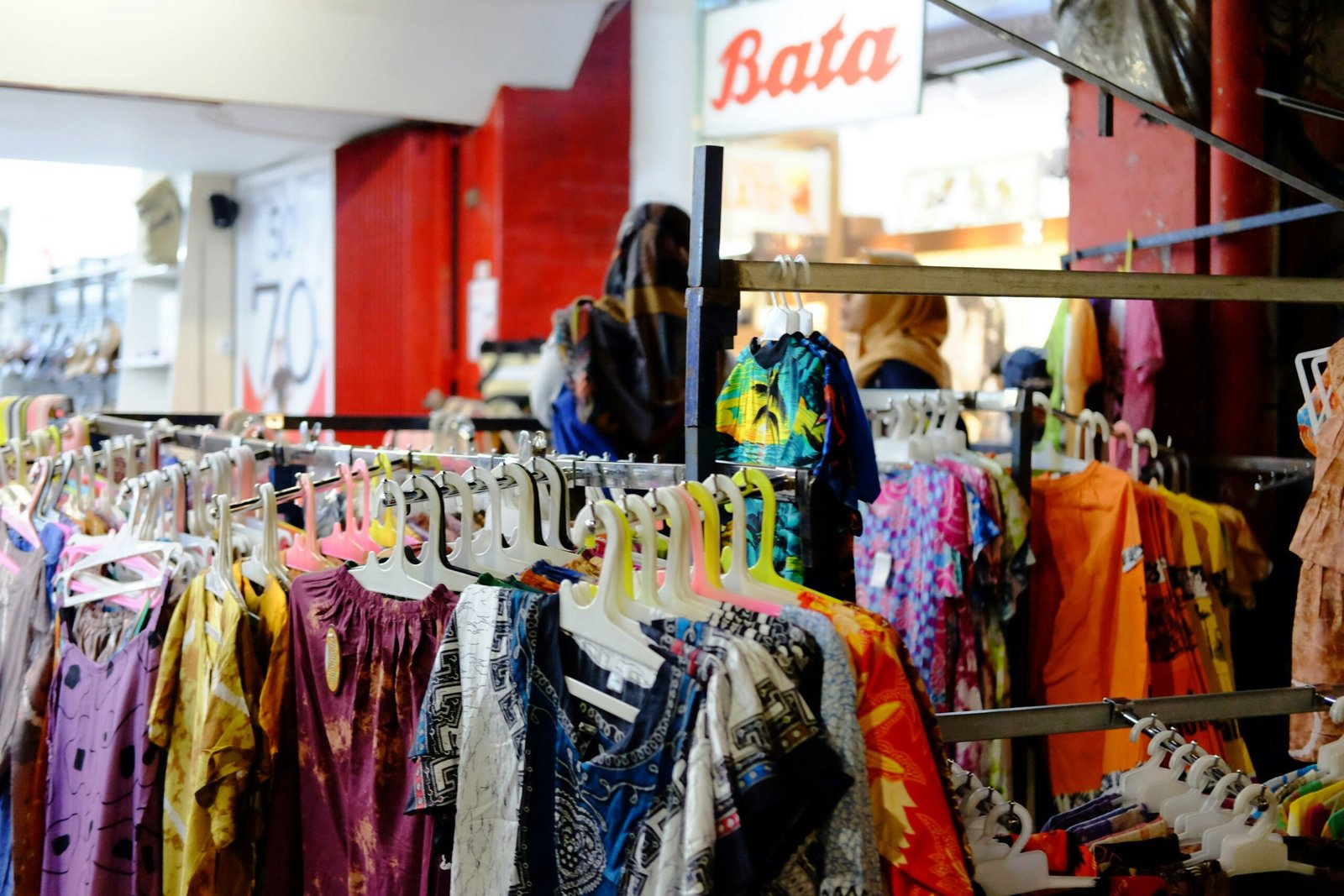
Indonesia’s retail landscape is experiencing unprecedented transformation. With the market projected to grow by USD 49.9 billion from 2025-2029 at a CAGR of 4.7% [7], retail businesses are facing both immense opportunities and fierce competition. For small retail business owners navigating this dynamic environment, one powerful tool stands out as a game-changer: visual merchandising.
In an era where 8 out of 10 shoppers base their buying decisions on what they see in-store [11], the way you present your products can make the difference between thriving and merely surviving. This article explores why visual merchandising has become a non-negotiable success factor for Indonesian retail businesses and how you can leverage it to stand out in an increasingly crowded marketplace.
The Silent Salesperson: Understanding Visual Merchandising in Indonesia’s Retail Context
Visual merchandising is the strategic practice of organizing, arranging, and presenting products in a way that captures attention, engages customers, and drives purchasing decisions [17]. Think of it as your store’s silent salesperson working 24/7 to communicate your brand’s value proposition without saying a word. In the Indonesian context, where convenience stores and mini-markets hold a commanding 45.54% market share [4], even small retail businesses must compete not just on price but on the overall shopping experience they deliver.
The Indonesian retail sector faces unique challenges. Small business owners and entrepreneurs are competing against well-established e-commerce brands leveraging artificial intelligence and sophisticated digital technology [2]. Meanwhile, 70% of businesses identify competition from larger firms as a key barrier to growth [26]. In this environment, visual merchandising becomes your competitive weapon a way to create an in-store experience that online platforms simply cannot replicate.
The Business Case: Proven Impact on Sales and Customer Behavior
The numbers tell a compelling story about visual merchandising’s return on investment. Strategic window displays alone can boost foot traffic by 23% [11], directly translating to more potential customers walking through your door. Once inside, products positioned at eye level are 82% more likely to be picked up and purchased [15], demonstrating how small adjustments in product placement can yield significant results.
For Indonesian retailers operating on tight margins, these statistics matter. Cross-merchandising displaying complementary products together can increase sales by 20% [11], while well-designed visual merchandising encourages shoppers to spend 20% more time in stores [15]. This extended dwell time creates more opportunities for impulse purchases and deeper brand engagement. Research shows that investing in skilled visual merchandisers can deliver a return on investment of up to 300% [15], making it one of the most cost-effective strategies for small retail businesses.
Beyond immediate sales impact, visual merchandising shapes customer loyalty. An impressive 73% of customers report being more likely to return to stores with compelling visual merchandising [12]. In Indonesia’s competitive retail environment, where brand loyalty is essential [21] and consumers are increasingly value-conscious [24], creating a memorable in-store experience becomes crucial for building long-term customer relationships.
Key Elements of Effective Visual Merchandising for Indonesian Retailers
Successful visual merchandising combines several strategic elements that work together to create an engaging retail environment. Understanding and implementing these components can help Indonesian small business owners compete more effectively, even with limited resources.
Window Displays and Storefront Presentation Your store’s exterior is the first touchpoint with potential customers. In Indonesia’s busy commercial areas, an eye-catching window display can be the difference between a passerby and a paying customer. Window displays should communicate your current offerings, reflect seasonal trends, and create curiosity that draws people inside [16]. For small retailers, this doesn’t require expensive installations creative use of your existing products, simple props, and good lighting can create powerful visual impact.
Product Placement and Store Layout The strategic positioning of products throughout your store directly influences purchasing behavior. The most common layouts include grid patterns (efficient for grocery retailers), racetrack designs (guiding customers through the entire store), and free-form arrangements (creating a more exploratory shopping experience) [16]. Indonesian retailers should consider customer flow patterns and place high-margin or promotional items in high-traffic areas. Remember that products at eye level sell 82% better [15], so reserve these premium positions for your most profitable or strategic items.
Color Psychology and Lighting Color choices evoke specific emotions and can influence purchasing decisions. Using complementary colors in displays can increase sales by 35% [15]. In the Indonesian market, consider cultural color associations and seasonal preferences. For example, during Ramadan, incorporating traditional color schemes can create emotional connections with customers [2]. Proper lighting is equally crucial well-lit displays make products appear 20% more valuable in consumers’ eyes [11], justifying premium pricing and enhancing perceived quality.
Signage and Brand Communication Clear, attractive signage guides customers and reinforces your brand identity. Strategic signage can increase impulse purchases by 20% [12]. For Indonesian small businesses, signage serves multiple purposes: identifying your store from a distance, communicating promotions, and educating customers about product benefits. Ensure your signage reflects your brand personality while remaining easy to read and culturally appropriate for your target market.
Sensory Elements Visual merchandising extends beyond sight to engage multiple senses. Displays that appeal to touch, smell, and sound can increase sales by 17% [11]. Indonesian retailers can leverage this by allowing customers to interact with products, using appropriate background music that reflects your brand, and incorporating subtle scents that align with your merchandise category. Research shows that 40% of shoppers are more likely to purchase products they can physically handle before buying [11].
Addressing Indonesian Retail Challenges Through Visual Merchandising
Indonesian retail businesses face distinct challenges that visual merchandising can help address. Understanding these obstacles and how strategic display techniques overcome them is essential for small business success.
Competing Against E-Commerce Giants With Indonesia’s e-commerce market projected to reach USD 95.84 billion by 2029 [27] and platforms like Shopee, Tokopedia, and TikTok Shop dominating online sales [23], physical retailers must offer something e-commerce cannot: tangible, immersive experiences. Visual merchandising creates this differentiation by transforming shopping from a transaction into an experience. When customers can see, touch, and experience products in thoughtfully designed environments, they’re more likely to make immediate purchases rather than comparison shopping online.
Infrastructure and Geographic Challenges Indonesia’s dispersed population across numerous islands creates logistical challenges for retail operations [21]. For small retailers, this means maximizing every square meter of retail space is crucial. Effective visual merchandising optimizes space utilization, ensures high product visibility, and creates efficient traffic flow patterns that allow customers to quickly find what they need. This efficiency becomes especially important in smaller format stores that dominate the Indonesian landscape, such as the convenience stores and mini-markets that account for the largest market share [4].
Rising Consumer Expectations Indonesian consumers are becoming increasingly sophisticated, with 57% willing to pay more for convenience and 71% for products that last longer [24]. Visual merchandising communicates product quality, durability, and value propositions without relying solely on verbal explanations from sales staff. Professional displays signal that you’re a serious retailer who cares about customer experience, helping justify premium pricing and building consumer confidence in your offerings.
Limited Marketing Budgets Small business owners often lack resources for extensive advertising campaigns. Visual merchandising serves as cost-effective marketing that works continuously during store hours. Your displays tell your brand story, promote current offers, and attract attention without recurring advertising costs. With 39% of cooking oil purchases in Indonesia being promotion-driven [24], strategic in-store displays that highlight deals and value propositions can capture price-sensitive customers more effectively than external advertising.
Seasonal and Cultural Considerations for Indonesian Markets
Indonesia’s diverse cultural landscape and significant religious celebrations create unique opportunities for visual merchandising. Retailers who align their displays with cultural moments can drive significant sales increases.
Ramadan and Eid Celebrations The Ramadan period sees increased demand for retail goods [2], particularly food products, traditional clothing, and gift items. Retailers should adjust visual merchandising to reflect the spiritual significance of this period while highlighting relevant products. This might include creating dedicated sections for Ramadan essentials, using traditional Islamic motifs respectfully, and organizing gift-ready displays as Eid approaches. Limited-time displays create urgency and can increase sales by 11% [11], making seasonal adjustments particularly valuable.
Local Cultural Festivals and Celebrations Beyond national holidays, regional festivals and celebrations offer opportunities for localized visual merchandising. Using local references and themes in displays can increase customer engagement by 18% [11]. Indonesian retailers should stay attuned to regional preferences and celebrations specific to their location, whether that’s Galungan in Bali, Cap Go Meh in areas with significant Chinese-Indonesian populations, or other regional festivities.
Adapting to Indonesia’s Climate and Seasons While Indonesia doesn’t experience distinct seasons like temperate countries, regional weather patterns and the dry/wet season cycle influence consumer behavior. Visual merchandising should adapt to these patterns highlighting rain gear and indoor entertainment during wet seasons, and outdoor recreation items during dry periods. Seasonal display changes keep stores feeling fresh and give customers a reason to revisit, with research showing shoppers spend 14% more time in stores with displays that change seasonally [11].
Implementing Visual Merchandising with Limited Resources
For Indonesian small business owners operating with constrained budgets, effective visual merchandising doesn’t require massive investments. Strategic, creative approaches can yield impressive results without breaking the bank.
Start with What You Have Before purchasing expensive display fixtures, maximize your current resources. Rearrange existing shelving to create focal points, use your product packaging as decorative elements, and employ simple props from local markets. Many successful visual merchandising implementations rely more on creativity and strategic thinking than on expensive materials.
Focus on High-Impact Areas Prioritize your visual merchandising efforts where they’ll have the most significant effect. The entrance area, window displays, and checkout counter are prime locations that every customer encounters. Investing time and effort in these zones can provide outsized returns. Create one stunning focal display rather than attempting to upgrade your entire store at once.
Leverage Digital Tools and Social Media Modern visual merchandising extends beyond physical stores. Photograph your best displays and share them on Instagram, Facebook, and other platforms popular with Indonesian consumers. This digital extension of your visual merchandising amplifies its impact and can attract customers who first discover you online. Since Indonesia has one of the world’s highest social media usage rates [27], this strategy can significantly expand your reach.
Learn from Competitors and Successful Examples Visit successful retailers, both large chains and other small businesses, and observe what works. Take notes on display techniques, color combinations, and layout strategies you can adapt to your context. Many visual merchandising principles are universal, allowing you to learn from others’ investments and apply those lessons cost-effectively to your own store.
Implement Gradually and Measure Results Rather than attempting a complete visual merchandising overhaul, implement changes incrementally. Try new display techniques for specific product categories and measure the impact on sales. Track foot traffic, conversion rates, and average transaction values before and after visual merchandising changes. This data-driven approach helps you understand what works for your specific customer base and build confidence in your visual merchandising investments.
Technology Integration: The Future of Visual Merchandising in Indonesia
As Indonesian retail embraces digital transformation, technology is reshaping how visual merchandising operates. Small retailers who understand and selectively adopt these technologies can gain competitive advantages.
Digital Signage and Dynamic Displays Electronic shelf labels and digital screens allow retailers to update pricing, promotions, and product information instantly without manual labor. While initial investment may seem high, these systems reduce long-term costs and enable rapid response to market conditions. With Indonesia’s retail market increasingly adopting AI and visual merchandising techniques for inventory management [2], even small retailers should consider how digital elements can enhance their displays.
Data-Driven Display Optimization Advanced retailers use heat mapping and traffic analysis to understand customer movement patterns and optimize product placement accordingly [20]. While sophisticated systems may be beyond most small retailers’ budgets, simple observation and tracking of which displays generate the most interaction can provide valuable insights. Indonesian retailers can start with basic analytics noting which products placed prominently sell faster and which display areas customers naturally gravitate toward.
Omnichannel Integration Implementing omnichannel visual merchandising can increase online sales by 15% [15]. For Indonesian small businesses, this means ensuring your in-store visual merchandising and online presence complement each other. Products featured prominently in physical displays should also be highlighted on your social media and any e-commerce presence. This consistency creates a cohesive brand experience across all customer touchpoints.
Mobile Optimization With mobile-optimized product displays in stores potentially increasing mobile conversion rates by 12% [15], retailers should consider how smartphone-wielding customers interact with their stores. This might include QR codes linking to product information, mobile payment options displayed prominently, or Instagram-worthy display areas encouraging social media sharing. Since Indonesia has high smartphone penetration and mobile usage [27], mobile-friendly visual merchandising strategies align with customer behavior patterns.
Building Your Visual Merchandising Strategy: A Practical Framework
Developing an effective visual merchandising strategy requires systematic planning and execution. Indonesian small business owners can follow this framework to build and refine their approach.
Step 1: Define Your Brand Identity and Target Customer Before creating displays, clearly articulate who you are as a retailer and who you’re serving. Your visual merchandising should reflect your brand personality and appeal to your specific customer segment. Consider your target customers’ values, preferences, and shopping behaviors. Are you targeting budget-conscious families, trend-focused young adults, or quality-seeking professionals? Each segment responds to different visual merchandising approaches.
Step 2: Analyze Your Space and Customer Flow Map your store layout and identify traffic patterns. Where do customers naturally walk? Where do they spend the most time? Which areas have high visibility from outside? Understanding your space’s characteristics helps you position displays strategically. In Indonesia’s often-compact retail spaces, maximizing every square meter is essential [4].
Step 3: Establish a Visual Merchandising Budget Determine what you can realistically invest in visual merchandising improvements. Remember that some of the most effective techniques require more creativity than capital. Allocate resources based on expected return focus on areas and techniques most likely to drive sales increases. Start small and reinvest profits from successful implementations into further improvements.
Step 4: Create a Display Calendar Plan your visual merchandising activities around your business cycle, seasonal opportunities, and cultural events relevant to your market. This calendar ensures you’re always ahead of customer needs and can prepare displays in advance. Account for major Indonesian celebrations, regional events, and product seasons specific to your merchandise category.
Step 5: Implement, Monitor, and Refine Execute your visual merchandising plans, then carefully track results. Monitor sales data, customer feedback, and staff observations to understand what’s working. Be prepared to adjust quickly if a display isn’t performing, modify or replace it. Visual merchandising is an iterative process where continuous improvement yields the best results. As Indonesia’s retail environment continues evolving rapidly [1], agility in visual merchandising becomes a competitive advantage.
Common Visual Merchandising Mistakes Indonesian Retailers Should Avoid
Even well-intentioned visual merchandising efforts can backfire if retailers fall into common traps. Understanding these pitfalls helps Indonesian small business owners avoid wasted effort and resources.
Overcrowding and Clutter In attempts to maximize sales, some retailers overcrowd displays or jam too many products into limited space. This creates visual confusion and makes it harder for customers to focus on individual products. Indonesian retailers should remember that negative space empty areas in displays is just as important as the products themselves. Clean, uncluttered displays guide the shopper’s eye to what matters most [19].
Inconsistent Brand Presentation When displays lack cohesion or frequently shift style without purpose, customers struggle to develop a clear sense of your brand identity. While displays should be updated regularly, the underlying brand personality should remain consistent. Everything from color choices to signage style should reinforce your brand positioning.
Ignoring Customer Sightlines Many retailers create displays that look great from certain angles but fail to consider how customers actually view them while shopping. Always evaluate displays from customer perspectives both when entering the store and when walking down aisles. What looks impressive from the staff side of the counter may be invisible or unimpressive from the customer’s viewpoint.
Neglecting Maintenance The most brilliantly conceived display loses its impact when products run out, dust accumulates, or signage becomes outdated. A shabby or out-of-date product display creates a bad impression of your brand [17]. Indonesian retailers should establish daily maintenance routines to ensure displays remain fresh and fully stocked. This attention to detail signals professionalism and care to customers.
Copying Without Adapting While learning from successful retailers is valuable, directly copying displays without considering your unique context usually fails. What works for an international brand with different merchandise, customer base, and resources may not translate to a small Indonesian retail business. Adapt principles and techniques to fit your specific circumstances rather than attempting wholesale imitation.
The Role of Staff in Visual Merchandising Success
Even the best-designed displays require proper staff support to maximize their effectiveness. For Indonesian small business owners, training and engaging staff in visual merchandising efforts can significantly enhance results.
Staff Training and Buy-In Employees who understand visual merchandising principles can maintain displays properly and make informed decisions about product presentation. Train staff on the reasoning behind display choices, teach them to spot maintenance issues, and empower them to make minor adjustments as needed. When staff members understand that visual merchandising directly impacts their success through increased sales, they become invested in its execution.
Frontline Observations Store staff interact with customers daily and observe what works and what doesn’t. Create systems for staff to share observations about which displays customers engage with most, which products customers frequently ask about, and where confusion or frustration occurs. This frontline intelligence is invaluable for refining your visual merchandising strategy.
Consistent Execution Visual merchandising standards must be maintained throughout operating hours. Assign responsibility for display maintenance and establish checklists to ensure consistency. In Indonesia’s increasingly competitive retail environment [26], inconsistent execution can negate even the best visual merchandising strategies.
Measuring Visual Merchandising Success: Key Performance Indicators
To justify visual merchandising investments and refine your approach, Indonesian small business owners should track specific metrics that demonstrate impact.
Sales Performance Metrics Track sales per square foot before and after visual merchandising changes to understand impact on space productivity. Monitor category sales growth for products featured in displays versus those not highlighted. Compare average transaction values during periods with strong visual merchandising versus baseline periods. These concrete financial metrics prove visual merchandising’s business value.
Customer Behavior Indicators Observe and measure foot traffic changes after implementing new window displays or storefront improvements. Track how long customers spend in different store areas and whether visual merchandising changes increase dwell time. Monitor conversion rates what percentage of store visitors make purchases as this indicates whether displays effectively drive purchasing decisions.
Customer Feedback Solicit direct feedback from customers about your store’s appearance and shopping experience. Simple questions like “How easy was it to find what you needed?” or “What did you think of our displays?” can provide actionable insights. Positive feedback about store appearance correlates with the 73% of customers who are more likely to return to well-merchandised stores [12].
Inventory Turn Rates Analyze whether products featured in prominent displays move faster than when positioned less conspicuously. Faster inventory turnover indicates that visual merchandising is effectively driving sales, reducing holding costs, and improving cash flow critical factors for Indonesian small businesses with limited capital.
Competitive Positioning Assess your visual merchandising relative to competitors. Are you creating a distinctive shopping environment, or does your store blend into the background? In markets where 70% of businesses face intense competition from larger firms [26], differentiation through superior visual merchandising can be a crucial success factor.
Partner with MD Asia for Your Visual Merchandising Success
Creating effective visual merchandising requires expertise, creativity, and consistent execution resources that many small retail businesses struggle to maintain while managing daily operations. This is where professional support becomes invaluable.
MD Asia understands the unique challenges facing Indonesian retail businesses. As an integrated marketing company delivering end-to-end solutions across digital, creative, and offline advertising production, we help retailers transform their physical spaces into compelling shopping experiences that drive sales and build customer loyalty. Our team combines deep understanding of Indonesian consumer behavior with international best practices in visual merchandising to create displays that resonate with your target market and deliver measurable results.
Whether you need help developing a comprehensive visual merchandising strategy, implementing seasonal displays that capture cultural moments, or training your staff to maintain merchandising standards, MD Asia provides the expertise and support to elevate your retail business. We work with retailers of all sizes, understanding that small businesses need cost-effective solutions that deliver outsized impact without requiring massive investment.
Ready to transform your retail space and compete more effectively in Indonesia’s dynamic market? Contact MD Asia today to discover how professional visual merchandising services can drive your business growth and create the shopping experience your customers deserve.
Conclusion: Visual Merchandising as Strategic Imperative
In Indonesia’s rapidly evolving retail landscape, where the market is expected to grow substantially but competition intensifies daily, visual merchandising is no longer optional it’s a strategic imperative. Small retail business owners who master visual merchandising principles gain competitive advantages that can’t be easily replicated by online competitors or larger retailers lacking local touch.
The evidence is clear: effective visual merchandising drives foot traffic, increases sales, extends customer dwell time, and builds brand loyalty. With proper planning, creativity, and consistent execution, even retailers with limited resources can create compelling shopping experiences that resonate with Indonesian consumers. By understanding your customers, respecting cultural nuances, leveraging available technology appropriately, and continuously refining your approach based on results, your retail business can thrive in one of Asia’s most promising markets.
The question isn’t whether to invest in visual merchandising it’s how quickly you can begin implementing strategies that will differentiate your business and drive sustainable growth. Start today, start small if necessary, but start with intention and commitment to excellence. Your store’s success depends on it.
👉 Contact us today and start creating a store display that truly stands out.
References
[1] IMARC Group. (n.d.). Indonesia Retail Market Size, Growth and Forecast to 2032. Retrieved from https://www.imarcgroup.com/indonesia-retail-market
[2] PRNewswire. (2024, December 10). Retail Market in Indonesia to Expand by USD 49.56 Billion (2024-2028), Driven by Retail Growth and AI-Redefined Market Landscape – Technavio. Retrieved from https://www.prnewswire.com/news-releases/retail-market-in-indonesia-to-expand-by-usd-49-56-billion-2024-2028-driven-by-retail-growth-and-ai-redefined-market-landscape—technavio-302326157.html
[3] Statista. (2024). Indonesia: monthly retail sales index 2024. Retrieved from https://www.statista.com/statistics/1202583/indonesia-monthly-retail-sales-index/
[4] Mordor Intelligence. (2025). Indonesia Retail Market Report | Industry Analysis, Size & Forecast, 2030. Retrieved from https://www.mordorintelligence.com/industry-reports/indonesian-retail-industry
[5] MarkNtel Advisors. (n.d.). Indonesia Retail Market Size, Share and Analysis | Forecast 2030. Retrieved from https://www.marknteladvisors.com/research-library/indonesia-retail-market.html
[6] FocusEconomics. (2025, July). Indonesia Retail Sales (ann. var. %). Retrieved from https://www.focus-economics.com/country-indicator/indonesia/retail-sales/
[7] PRNewswire. (2025, February 12). Retail Market in Indonesia to grow by USD 49.9 Billion from 2025-2029, driven by retail landscape expansion. Retrieved from https://www.prnewswire.com/news-releases/retail-market-in-indonesia-to-grow-by-usd-49-9-billion–from-2025-2029–driven-by-retail-landscape-expansion-report-on-how-ai-is-redefining-market-landscape—technavio-302374208.html
[8] Yahoo Finance. (2024, December 10). Retail Market in Indonesia to Expand by USD 49.56 Billion (2024-2028). Retrieved from https://finance.yahoo.com/news/retail-market-indonesia-expand-usd-223500361.html
[9] Technavio. (n.d.). Indonesia Retail Market Size to Grow by USD 49.9 Billion from 2024 to 2029. Retrieved from https://www.technavio.com/report/indonesia-retail-market-industry-analysis
[10] Euromonitor. (n.d.). Retail in Indonesia | Market Research Report. Retrieved from https://www.euromonitor.com/retail-in-indonesia/report
[11] Contra Vision. (2024, November). 30 Vital Stats on Visual Merchandising’s Importance in 2024. Retrieved from https://www.contravision.com/visual-merchandising-stats/
[12] Channelplay. (2025, July). Visual Merchandising in Retail: 2025 Guide with Examples & Best Practices. Retrieved from https://www.channelplay.in/post/visual-merchandising
[13] T-ROC Global. (2024, December). The Art of Visual Merchandising: Strategies for Retail Success. Retrieved from https://trocglobal.com/blog/visual-merchandising/
[14] Flame Analytics. (2025, July). The Importance of Visual Merchandising in Retail Stores. Retrieved from https://flameanalytics.com/en/the-importance-of-visual-merchandising-in-retail-stores/
[15] KROFT. (2024, December). Powerful statistics that support a sound visual merchandising strategy. Retrieved from https://www.kroft.co/blogs/hanging-out/visual-merchandising-ideas
[16] Wikipedia. (2025, September). Visual merchandising. Retrieved from https://en.wikipedia.org/wiki/Visual_merchandising
[17] AND Academy. (2025, February). Visual Merchandising: Principles, Importance & Retail Design. Retrieved from https://www.andacademy.com/resources/blog/interior-design/what-is-visual-merchandising/
[18] JWU Online. (2025, May). How Visual Merchandising Serves as Marketing. Retrieved from https://online.jwu.edu/blog/how-visual-merchandising-serves-marketing-understanding-impact-across-industries/
[19] Pazo. (2024). The Importance of Visual Merchandising in Retail. Retrieved from https://www.gopazo.com/blog/importance-of-visual-merchandising-in-retail
[20] LEAFIO. (2025, July). 6 Effective Visual Merchandising Techniques and Strategies. Retrieved from https://www.leafio.ai/blog/effective-visual-merchandising-strategies/
[21] PRNewswire. (2024, December 10). Retail Market in Indonesia to Expand by USD 49.56 Billion (2024-2028). Retrieved from https://www.prnewswire.com/news-releases/retail-market-in-indonesia-to-expand-by-usd-49-56-billion-2024-2028-driven-by-retail-growth-and-ai-redefined-market-landscape—technavio-302326157.html
[22] Vanaya Indonesia. (2025, February). The 5 Business trends for 2024 in Indonesia you have to know! Retrieved from https://www.vanaya.co.id/post/the-5-business-trends-for-2024-in-indonesia-you-have-to-know
[23] Medium. (2024, December). The Pricing Dilemma: How Indonesia’s ECommerce Growth Faces Challenges in 2024. Retrieved from https://medium.com/@rudyadrian/pricing-dilemma-how-indonesias-ecommerce-growth-faces-challenges-in-2024-7c742825b13b
[24] Business Indonesia. (n.d.). Indonesia’s Retail Remains Firm as Consumers Tighten Choice. Retrieved from https://business-indonesia.org/news/indonesia-s-retail-remains-firm-as-consumers-tighten-choice
[25] ESCOM Events. (2024). Retail and eCommerce Indonesia 2024. Retrieved from https://escom-events.com/retailindonesia2024
[26] 60 Decibels. (2025, May). Striving to Thrive: The State of Indonesian MSEs in 2025. Retrieved from https://60decibels.com/insights/indonesian-mses/
[27] Cube Asia. (2025, January). Indonesia E-commerce Market: Growth Insights, Challenges, and Prospect. Retrieved from https://cube.asia/read/indonesia-e-commerce-market-growth-insights-challenges-and-prospect/
[28] Data Insights Market. (n.d.). Retail Industry in Indonesia Future-proof Strategies. Retrieved from https://www.datainsightsmarket.com/reports/retail-industry-in-indonesia-18725
[29] ResearchGate. (2024, December). Market Positioning & Operational Strategy To Start Home Goods Retail Business In Indonesia. Retrieved from https://www.researchgate.net/publication/387278156_Market_Positioning_Operational_Strategy_To_Start_Home_Goods_Retail_Business_In_Indonesia
[30] Business Perspectives. (2024, April). Digital transformation to enhance Indonesian SME performance. Retrieved from https://www.businessperspectives.org/index.php/component/zoo/digital-transformation-to-enhance-indonesian-sme-performance-exploring-the-impact-of-market-competition-and-digital-strategy