
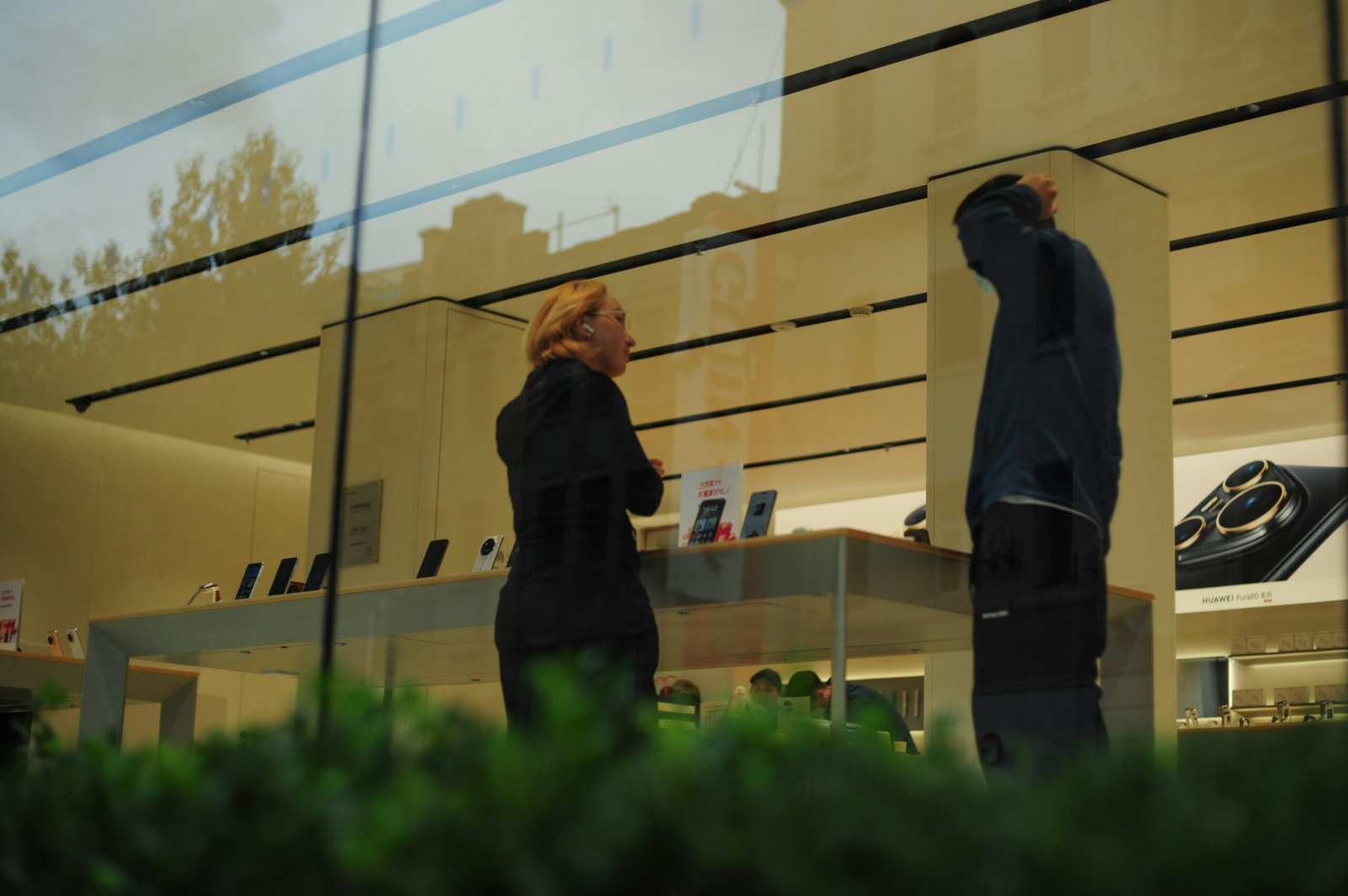
Your window display is working 24/7 as your store’s silent salesperson, yet many Indonesian retailers treat it as an afterthought. In today’s competitive retail landscape where e-commerce continues to grow, an effective window display can be the difference between a passerby and a paying customer.
Research shows that you have just 3 seconds to capture a potential customer’s attention as they walk past your store [1]. During this critical moment, your window display must communicate your brand identity, showcase your products, and create an emotional connection that compels people to step inside. Let’s explore the five essential elements that transform ordinary window displays into powerful foot traffic generators.
1. Strategic Color Psychology That Commands Attention
Color is the first element that catches the human eye, making it your most powerful tool for stopping foot traffic. Studies indicate that color increases brand recognition by up to 80%, and the right color combinations can influence purchasing decisions within the first 90 seconds of viewing [12]. For Indonesian retailers, understanding color psychology becomes even more critical during cultural celebrations like Ramadan, Chinese New Year, or Independence Day when specific color palettes resonate deeply with local consumers.
Red and yellow combinations, for example, create urgency and excitement—which explains why they’re prevalent during discount seasons. Research from the Institute of Color Research found that people make subconscious judgments about products within 90 seconds, and between 62% and 90% of that assessment is based on color alone [12]. Meanwhile, blue and green evoke trust and calmness, making them ideal for health, wellness, or financial service retailers. In Indonesia’s tropical climate where vibrant colors are culturally embraced, don’t shy away from bold combinations—but ensure they align with your brand identity and the season.
Consider how Sephora Indonesia uses contrasting black backgrounds with bright product lighting to create dramatic visual impact. The dark backdrop makes colorful cosmetics pop, drawing eyes from across shopping malls. For smaller retailers with limited budgets, you can achieve similar effects using affordable colored fabric backdrops or painted panels. During festive seasons, incorporate culturally significant colors: gold and red for Chinese New Year prosperity, green and gold for Islamic celebrations, or red and white for Indonesian national holidays. A study found that warm colors like red, orange, and yellow are more effective at attracting attention in retail environments compared to cool colors [13].
The key is consistency—your window display colors should complement your interior store design and brand palette. If your brand identity uses earthy tones, a sudden shift to neon colors might attract attention but confuse your brand message. Test different color combinations during slower business periods and track foot traffic changes to identify what resonates with your specific customer base.
2. Focal Points and Visual Hierarchy That Guide the Eye
Without a clear focal point, your window display becomes visual noise that overwhelms rather than attracts. Professional visual merchandisers use the “rule of three” principle, creating displays with three key focal points arranged in a triangle to naturally guide the viewer’s eye through the composition [21]. According to visual merchandising principles, the human eye naturally follows a triangular or pyramid pattern when viewing displays, making this one of the most effective compositional techniques.
Your primary focal point should be positioned at eye level—approximately 140-160 cm for the average Indonesian adult—and should feature your hero product or strongest selling point. This is where you place your most attractive item, your best discount offer, or your most compelling visual element. Secondary focal points can showcase complementary products or supporting brand messages, while the third element might incorporate your logo, pricing information, or call-to-action. Research shows that products displayed at eye level are 82% more likely to be picked up and purchased [40].
Jakarta-based fashion retailer Cotton Ink demonstrates this principle effectively by positioning a complete outfit on a mannequin as the primary focal point, surrounded by coordinating accessories at secondary positions. The composition tells a complete story while making it easy for customers to visualize how pieces work together. For small retailers, this might mean highlighting your bestselling item prominently, with related products arranged around it in decreasing order of importance.
Lighting plays a crucial role in establishing focal points. Direct spotlighting on your hero product creates natural emphasis, drawing the eye exactly where you want it. Even simple LED strip lights, widely available in Indonesian electronics markets, can dramatically improve your display’s effectiveness. Avoid the common mistake of trying to showcase everything—a focused display with three to five key items performs better than an overcrowded window displaying your entire inventory.
3. Storytelling and Thematic Coherence That Creates Emotional Connection
Customers don’t just buy products—they buy the lifestyle, aspirations, and emotions those products represent. Thematic window displays that tell a story can increase foot traffic by up to 30%, as they create emotional connections and memorable experiences that generic product displays cannot achieve [40]. In Indonesia’s diverse market, storytelling becomes even more powerful when it incorporates local cultural narratives, seasonal themes, or relatable everyday scenarios that your target audience experiences.
Successful storytelling displays create miniature worlds that transport viewers momentarily from the sidewalk into an aspirational scenario. A children’s bookstore might create a jungle adventure scene during school holidays, complete with stuffed animals, hanging vines (real or artificial), and books displayed as if discovered by explorers. A home goods store could showcase a “Ramadan family gathering” scene with traditional dining settings, prayer items, and decorative elements that help customers envision products in their own homes. These thematic approaches work because they trigger imagination and emotional responses rather than simply presenting products for consideration.
The most effective themes align with current cultural moments, seasons, or trending topics. Indonesian retailers can leverage the country’s rich calendar of celebrations—from Kartini Day promoting women’s empowerment to local harvest festivals—to create relevant, timely displays. During Jakarta’s monsoon season (November to March), a fashion retailer might create a “rainy day comfort” theme featuring rainwear, umbrellas, and cozy indoor clothing. Storytelling within displays can boost brand recall by 25% [40].
Props and staging elements don’t need to be expensive—creativity matters more than budget. Bamboo, tropical leaves, traditional textiles, and recycled materials can create authentic Indonesian-themed displays at minimal cost. Local craft markets (pasar seni) offer affordable decorative elements that add cultural authenticity. The story should be immediately understandable within those critical 3 seconds, so avoid overly complex narratives that require lengthy interpretation.
4. Proper Lighting That Enhances Product Appeal and Visibility
Lighting transforms good displays into great ones, yet it’s often the most neglected element by small Indonesian retailers. Research indicates that proper lighting can increase perceived product value by up to 30% and significantly influences purchase intent [31]. The challenge for tropical retailers is that Indonesia’s intense natural sunlight can wash out poorly lit displays during daytime, while evening displays must compete with bright street lighting and neighboring stores.
Professional window displays typically use three lighting layers: ambient lighting (general illumination), accent lighting (spotlights on focal points), and decorative lighting (aesthetic elements like string lights or neon). For small retailers, even implementing two of these layers creates significant improvement. Affordable LED spotlights, now widely available at Indonesian electronics stores like Glodok or online marketplaces, consume minimal electricity while providing focused illumination on hero products. Studies show that shoppers select twice as many items from displays with integrated lighting compared to those without [33].
Consider the difference between a jewelry store using general overhead fluorescent lighting versus one with targeted LED spotlights creating sparkle and dimension on individual pieces. The latter creates perceived luxury and draws attention to craftsmanship details. Similarly, a bookstore using warm-toned lighting creates a cozy, inviting atmosphere, while a tech retailer might use cool white lighting to convey modernity and innovation. Color temperature matters—warm lighting (2700-3000K) suits fashion, home goods, and food retailers, while cool lighting (4000-5000K) works better for electronics, pharmacies, and modern retail concepts.
Timing considerations are crucial for Indonesian retailers in mixed-use areas. If your location experiences heavy foot traffic during evening hours, invest more heavily in artificial lighting. Consider dimmer switches or programmable lighting systems that adjust intensity based on time of day, competing with Indonesia’s tropical sun during daylight while creating inviting warmth after sunset. During Ramadan, when evening shopping peaks after iftar, well-lit displays become even more critical for capturing that surge in foot traffic.
Don’t overlook energy efficiency—LED lighting reduces electricity costs by up to 75% compared to traditional incandescent bulbs while lasting significantly longer, making them ideal for displays that need to remain lit for extended hours. Motion-activated spotlights can add interactive elements that surprise and delight passersby while conserving energy when streets are empty.
5. Regular Rotation and Seasonal Relevance That Maintains Fresh Interest
The fastest way to become invisible is to never change. Visual merchandising experts recommend rotating window displays every 2-4 weeks to maintain customer interest and reflect seasonal changes [42]. For Indonesian retailers, this rotation schedule should align with the country’s unique calendar of cultural celebrations, school holidays, and seasonal shopping patterns that differ from Western retail calendars.
Regular rotation serves multiple purposes: it signals that your store is active and current, it gives returning customers reasons to look (and step inside) repeatedly, and it allows you to test different approaches to identify what resonates with your specific audience. Smart retailers plan their display calendar months in advance, coordinating window changes with inventory arrivals, promotional campaigns, and cultural events. Indonesia’s retail calendar offers numerous opportunities—Ramadan and Eid celebrations, Chinese New Year, school year transitions (July), Christmas season, Independence Day (August), and year-end holiday shopping.
Budget-conscious retailers can implement rotation without major investments by maintaining a collection of reusable display elements—modular platforms, versatile backdrops, flexible lighting, and prop boxes organized by theme. A fashion retailer might keep separate boxes for “tropical vacation,” “professional workwear,” “festive celebrations,” and “casual weekends,” rotating these themes throughout the year. This system allows for quick, cost-effective changes that keep displays fresh without requiring complete redesigns each time.
Track your display changes against foot traffic and sales data to understand what works. Simple observation and informal counting during peak hours before and after display changes can reveal valuable insights. Many Indonesian retailers notice significant foot traffic increases during culturally relevant displays—a Muslim fashion retailer’s Ramadan collection launch, a toy store’s back-to-school display, or a home goods store’s Lebaran preparation showcase. Window displays alone can boost foot traffic by 23% [40].
Social media amplifies the impact of regular rotation. Indonesians are highly active on platforms like Instagram and TikTok—photogenic window displays become organic marketing when customers share them online. Design displays with “Instagrammable” moments in mind, perhaps incorporating your store’s social media handle into the display itself to encourage tagging and sharing. User-generated content from eye-catching displays extends your reach far beyond the physical foot traffic passing your storefront.
Implementing These Elements in Your Indonesian Retail Space
Understanding these five elements is just the beginning—successful implementation requires adapting them to your specific retail context, budget, and target audience. Start by auditing your current window display against these criteria: Does it have a clear focal point? Does the color scheme command attention while aligning with your brand? Does it tell a story? Is the lighting adequate for both day and evening visibility? When was it last changed?
For small retailers working with limited budgets, prioritize these elements in order of impact. Begin with establishing a clear focal point and improving lighting—these changes deliver immediate results with relatively modest investment. Next, develop a simple color strategy and create one compelling story or theme. Finally, commit to a rotation schedule you can realistically maintain, even if that means changing displays monthly rather than weekly. Consistency in regular updates matters more than frequency.
Consider partnering with local art students, design schools, or vocational training programs who often seek real-world projects for portfolio development. Many Indonesian design students welcome opportunities to create window displays in exchange for portfolio photos and experience. This collaboration benefits both parties—you receive creative services at reduced costs, while students gain practical experience.
MD Asia understands that creating effective window displays requires expertise in visual merchandising, cultural insights, and technical execution. Our integrated marketing solutions include professional visual merchandising services, helping Indonesian retailers design and implement window displays that drive foot traffic and sales. From initial concept development through installation and performance tracking, our team brings together creative design, local market knowledge, and proven retail strategies.
👉 Contact us today and start creating a store display that truly stands out.
References
- Shopify. “Foot Traffic: How To Measure and Increase Store Visits.” https://www.shopify.com/retail/foot-traffic
- Shopify. “Retail Foot Traffic Data: Use Cases & How to Collect (2025).” https://www.shopify.com/retail/retail-foot-traffic-data
- Creative Displays Now. “Chapter 3: The Psychology Behind Retail Display Colors.” https://www.creativedisplaysnow.com/guides/understanding-the-retail-customer/chapter-3-the-psychology-behind-retail-display-colors/
- Meyers. “Color Psychology in Visual Merchandising and Retail Displays.” May 9, 2025. https://meyers.com/meyers-blog/color-psychology-in-retail-displaysvisual-merchandising/
- FasterCapital. “Color psychology: Harnessing the Psychology of Color in Windowdressing.” https://fastercapital.com/content/Color-psychology–Harnessing-the-Psychology-of-Color-in-Windowdressing.html
- Setorii. “The Art of Visual Merchandising: Crafting Experiences and Boosting Sales.” April 5, 2024. https://setorii.com/the-art-of-visual-merchandising/
- Visual Merchandising How To. “Focal Point in Visual Merchandising.” September 13, 2024. https://www.visualmerchandisinghowto.com/focal-point-in-visual-merchandising/
- Yu Retail. “The Importance of the Focal Point in Visual Merchandising.” February 13, 2025. https://www.yuretail.com/en/2025/02/13/focal-point-in-visual-merchandising/
- Inkbot Design. “Visual Merchandising That Works: 4 Core Principles In 2025.” October 14, 2025. https://inkbotdesign.com/visual-merchandising/
- Frank Mayer. “Using Lighting on Retail Displays.” August 5, 2025. https://www.frankmayer.com/blog/using-lighting-on-retail-displays/
- Lighting for Impact. “Retail Display Lighting and the Impact on Shopper Behavior.” April 19, 2024. https://lightingforimpact.com/display-lighting-and-the-impact-on-shopper-behavior-in-retail-stores/
- Lighting for Impact. “5 Reasons to Illuminate Retail Displays.” June 27, 2024. https://lightingforimpact.com/why-retail-display-lighting/
- TCP Lighting. “Lighting Effects in Retail Stores.” April 21, 2022. https://www.tcpi.com/how-lights-impacts-psychology-mood-in-retail/
- Yu Retail. “When to change the window display: a strategic guide for retailers.” May 27, 2025. https://www.yuretail.com/en/2025/05/27/window-display-strategy-tips/
- Specialty Store Services. “Seasonal Display Planning: When & How to Rotate Your Fixtures.” October 16, 2025. https://specialtystoreservicesblog.com/2025/10/16/seasonal-display-planning-when-how-to-rotate-your-fixtures/
- Fit Small Business. “20+ Tips & Ideas for Your Retail Store Window Displays.” May 22, 2023. https://fitsmallbusiness.com/store-window-displays/
- Contra Vision. “30 Vital Stats on Visual Merchandising’s Importance in 2024.” November 25, 2024. https://www.contravision.com/visual-merchandising-stats/